






 Portuguese
  Spanish
  3 min of reading


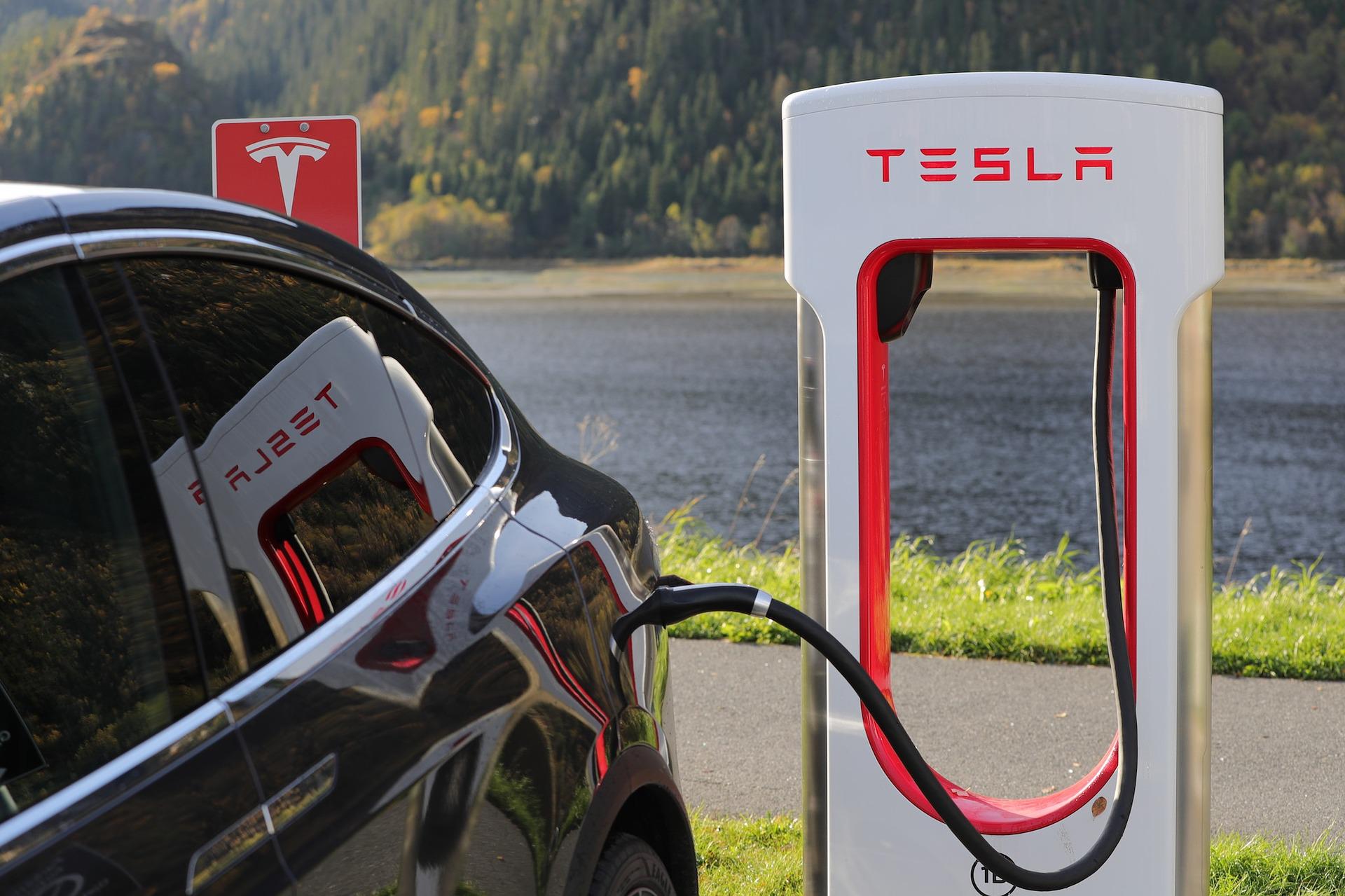
Elon Musk, billionaire and owner of the multinational electric car company Tesla, had spoken out in favor of dismissing at least 10% of his company’s employees during the month of June to automate the cash register, which has been suffering a “drop in revenue” due to a lack of lithium stock in the market, essential for the manufacturing of its products. The leak about the dismissals is said to have happened through a corporate email shared by Reuters.
According to some analysts, Elon Musk may be manipulating Tesla’s stock to drop, even though he is the owner. The billionaire is said to be taking the step of deliberately leaking and declaring negative news about the electric car sector so that the stock falls, allowing him to buy a portion again. With the purchase at a lower value, he can sell at a high and have an even greater return on his investments. A similar strategy, known in the investment sector as “share buy back,” was also applied by the billionaire during the year 2021 for the purchase of cryptocurrencies, mainly Dogecoin and Bitcoin.
On his social media, especially on Twitter, he has expressed himself numerous times about his negative thoughts regarding the assets, buying them and then expressing support shortly after so they would rise after falling, making it possible to sell for a better return. Although not stated by the businessman, it is estimated that he was behind the major drops of BTC in just one day, which have already reached over 20%. Now, the asset has been counted with a drop of over 75%, at just R$ 100 thousand after having reached its highest value of R$ 380 thousand.
What Makes Analysts Believe That Tesla Owner Elon Musk Is Practicing “Share Buy Back”?

At the beginning of June, a corporate email that Elon Musk allegedly sent to his collaborators leaked, stating that hiring at the institution should be paused for a recovery of the company in the electric car productivity sector.
-
Volkswagen focuses on ethanol and tests a Saveiro 100% alcohol-powered with a recalibrated engine; the project may ensure tax reduction, targets corporate fleets, and revives technology that lost ground since the arrival of flex-fuel vehicles in 2003.

-
Keeping your foot lightly on the brake pedal while driving may seem harmless, but mechanics warn: this habit generates constant heat, wears out the pads too quickly, and can warp the discs, making braking expensive and dangerous.

-
The YouTuber Mark McCann bought a Bugatti Veyron for almost $1.2 million, but discovered that the supercar’s gearbox is so damaged that even Bugatti itself won’t accept to repair it, and the repair could cost a fortune.
-
Thinking about buying a used HB20? See why the 2015 model is still a crowd favorite, with cheap parts, easy-to-fix mechanics, a strong engine, and quick sales.


According to the billionaire, the automotive sector has not been showing itself to be so positive, given that there is a decrease in lithium production, which causes the price of batteries to make cars even more expensive. In Brazil, another factor that is worsening the situation for the energy transition of automobiles is the price of the dollar, which has risen again to over R$ 5 even though the Selic rate is in double digits according to the Ministry of Economy and the Central Bank.
Tesla: What Is The “Share Buy Back” Technique and How Is It Applied in Investments and Economy?
This technique is nothing more than the repurchase of a stock or asset. A company may sell its shares during a crisis to pay off some federal public debt. However, after analyzing that they are in constant growth and the shares tend to appreciate, it is common for the institution to be interested in making the repurchase in order to have major voting power over its decisions.
However, the interest in repurchase may arise only when the shares are already at their highest value. With that in mind, some billionaires and businessmen tend to use techniques to make the shares drop for just a short period, that is, by reporting lower-than-expected revenue and layoffs. After they drop, they buy and then announce good news to show returns in growth and appreciation.









Be the first to react!