Portuguese
  Spanish


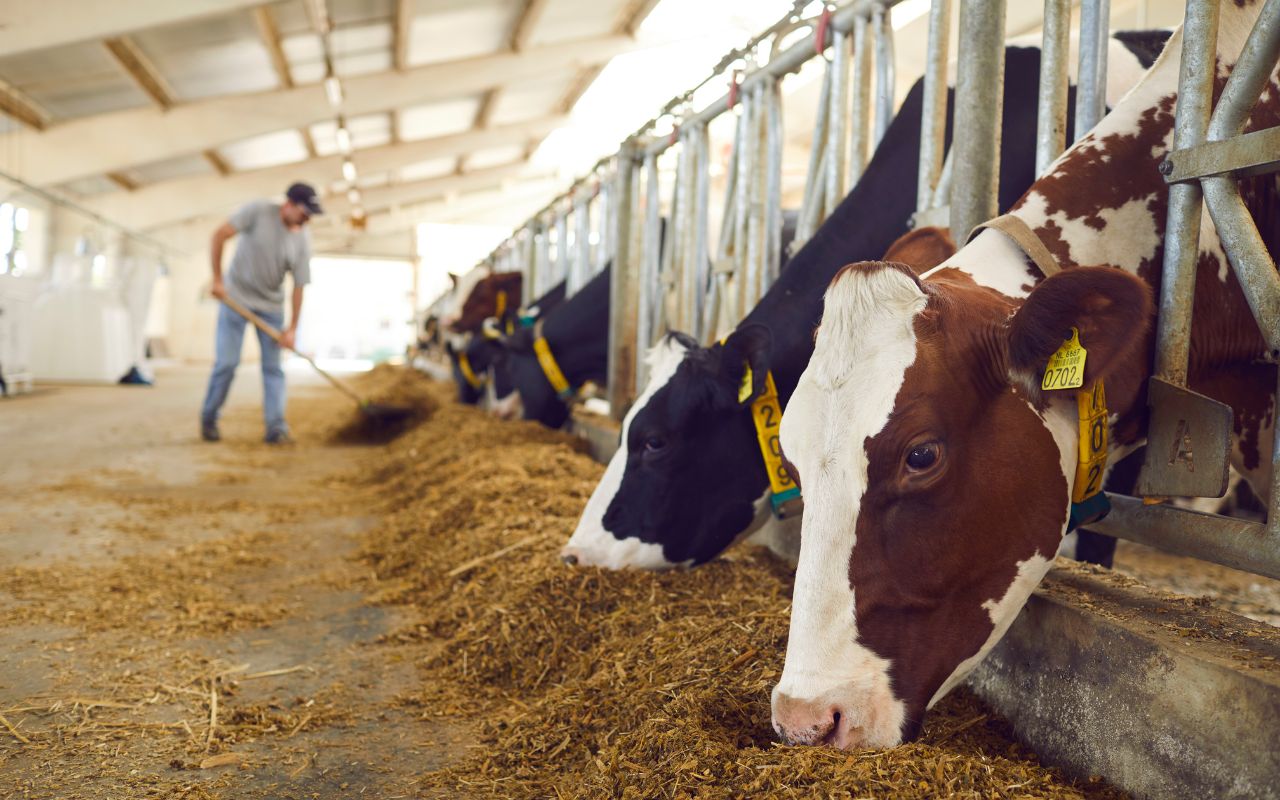

Research by Scot Consultoria Shows That the Shortage of Skilled Labor Is Today the Main Challenge for Confined Cattle, Surpassing Feed and Health and Increasing Losses.
The shortage of skilled labor has consolidated as the main risk factor for confined cattle in Brazil, according to a survey by Confina Brasil, an initiative conducted by Scot Consultoria.
The survey analyzed confinements in different regions of the country and revealed that human failures linked to the lack of skilled workers directly impact management, increase losses, and compromise the animals’ performance.
For 80.4% of feeders, the greatest challenge today is not feed or health, but labor.
-
Study of Brazil’s Tietê River Finds 25 Pesticides in Water, Including Cancer-Linked Substance Near Source

-
Young Entrepreneur Expands from 50 to 1,400 Chickens, Proving “Happy Hens” Can Be a Viable Business
-
Small Farm in Brazil’s Minas Gerais Produces 403 Liters of Milk Daily, Sets Benchmark for Rural Producers
-
Man Revives 1930s Abandoned Trout Farm, Learns from Scratch, and Earns $1.1 Million Annually Selling Fish to Michelin-Starred Restaurants



This finding alters the traditional logic of the sector. In an intensive system, where every detail influences weight gain and the health of the cattle, the absence of trained teams can nullify investments in nutrition, genetics, and technology.
When the Problem Is Not with the Cattle, But with the Operation
The confinement demands a strict routine, constant observation, and quick responses. In theory, the equation seems simple: balanced diet, correct management, and timely health care.
In practice, however, the research shows that the execution of these steps directly depends on the people involved in the process.
According to Confina Brasil, the combination of shortage of skilled labor, high turnover, and lack of training creates an environment conducive to operational errors.
Minor mistakes, when not corrected in time, can turn into significant losses within the confinement.
Mortality Reveals the Impact of Human Failures
One of the most sensitive data from the study is the average mortality rate of 0.5% in the evaluated confinements.
This represents, in practice, the loss of one cattle for every 200 confined animals.
Diseases appear as a significant cause of these deaths. However, Scot Consultoria highlights that in many cases, the decisive factor is not the illness itself but rather the delay in identifying it and taking action.
This slowness is directly associated with the lack of sufficient and technically prepared personnel to adequately monitor the animals.
Nearly 80% of Deaths Involve Human Participation
Delving deeper into the analysis of mortality causes, the research reveals an even more concerning fact: 78.9% of reported deaths involve some level of human participation.
This percentage includes diseases, accidents, and failures in transportation or management.
The number reinforces the perception that labor has become one of the most critical inputs in confinement.
When this element fails, the impact is not limited to animal loss but extends to increased costs with medications, decreased performance, and lower efficiency in the turnover of batches.
Why Has the Shortage of Skilled Labor Increased?
Scot Consultoria links the problem to structural changes in Brazilian agriculture.
Reports from Embrapa point to factors such as an aging rural population, low availability of training, and unattractive working conditions as hurdles to renewing the workforce.
In addition, there is internal competition within agribusiness. Agriculture, which is more mechanized and technified, tends to offer better salaries and more predictable routines, attracting skilled professionals and leaving livestock in a less competitive position.
Salaries Have Increased, but Have Not Solved the Challenge
Data from the Novo Caged shows that the average starting salary in beef cattle ranching rose by more than 50% between 2020 and 2025.
Nevertheless, the activity remains behind agricultural crops such as soy and cotton, which offer higher average remunerations.
The survey indicates that salary increases, while important, have not been enough to stem the shortage of skilled labor.
This suggests that other factors, beyond pay, weigh in the workers’ decision-making process.
Bonuses Exist, but Do Not Guarantee Retention
To try to reduce turnover, 73.9% of confinements offer some type of bonus. Even so, the problem persists.
The research shows that factors such as inadequate housing, poor food, subpar equipment, and unattractive working conditions weigh similarly to salary when it comes to retaining employees.
In many cases, these factors are decisive for team turnover.
Simple Solutions Show Results in the Field
Cases monitored by Scot Consultoria indicate that basic improvements can generate significant impacts.
Investments in adequate housing, minimum comfort structures, and training programs help reduce turnover and increase operational efficiency.
The study concludes that competing for workers solely based on salary is insufficient.
To reduce losses and ensure the performance of confined cattle, it is necessary to transform the work environment into a more organized, comfortable, and professional space.
The research sends a clear message to the sector: the shortage of skilled labor has ceased to be a secondary problem and has come to occupy the center of strategic decisions in cattle confinement.
In a system where mistakes are costly and happen quickly, investing in people is as essential as investing in feed and health care.
With information from Compre Rural