






 5 min of reading
  0 comments


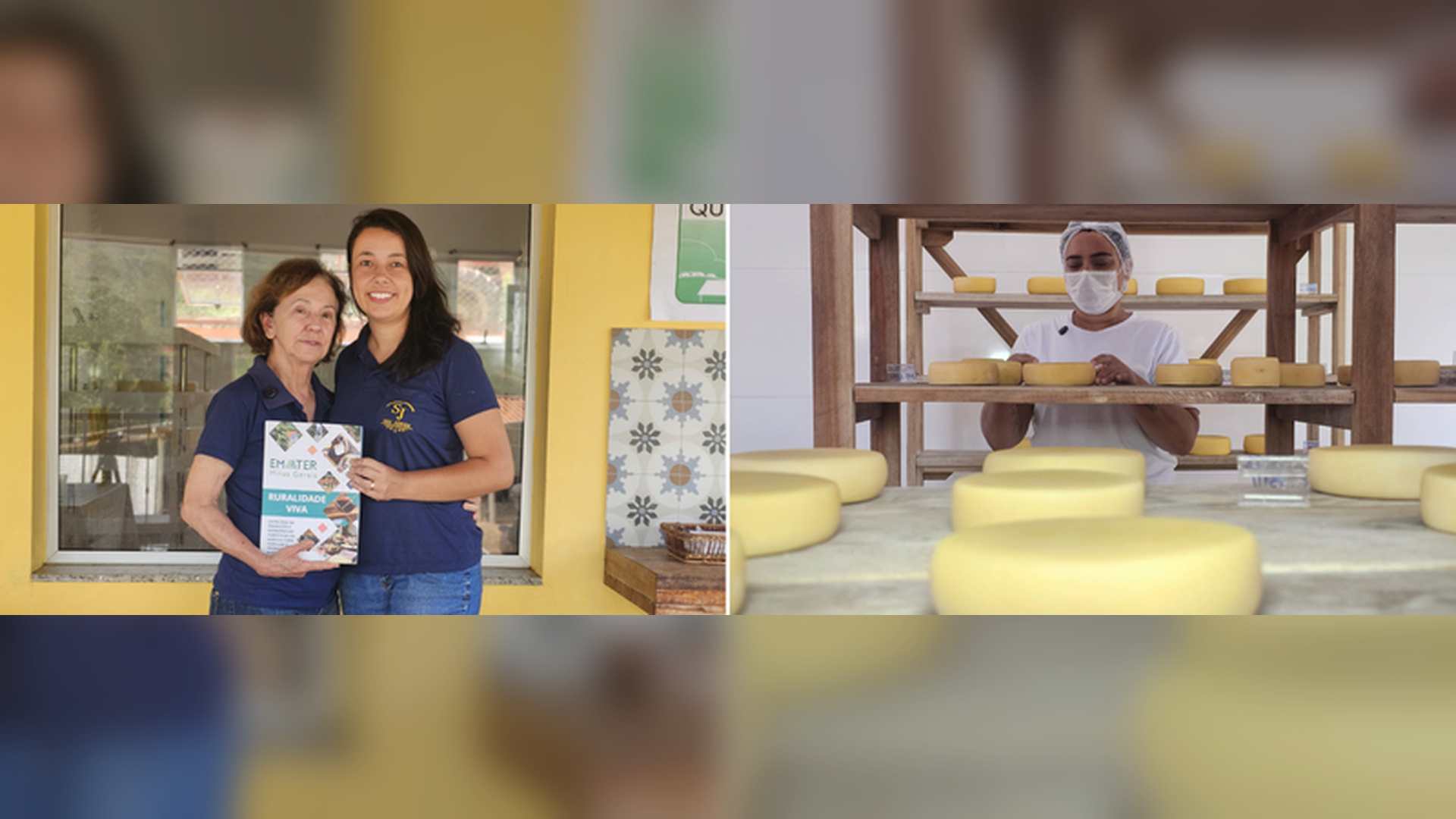
Cheese Factory in Ritápolis, managed by seven women from the same family, transformed artisanal cheese production into rural tourism and a new source of income.
In the countryside of Minas Gerais, a rural property found an efficient way to add value to the family tradition without abandoning its roots. Instead of just selling cheese, the family started opening the gates to visitors interested in following the farm routine, learning about artisanal production, and experiencing rural tourism up close. According to the Ritápolis City Hall, Queijaria Seu Jorge, located at Fazenda Seu Jorge in the Capão community, has become one of the most striking examples of how artisanal production can transform into a tourist activity and increase income in rural areas.
The business is managed by seven women from the same family, who keep alive a tradition started by Dona Mariazinha and now expanded with a focus on experience, hospitality, and appreciation of local culture.
Cheese Factory in Ritápolis transformed farm routine into a tourist experience
What was once just part of the farm’s daily life has started to attract visitors from various regions. According to the Ritápolis City Hall, the property gained regional recognition precisely for transforming artisanal production into an experience linked to the rural identity of Minas Gerais.
-
He tore up all the grass in the yard, turned the house into an urban farm, and sold food to the neighbors until the city hall showed up with a fine for zoning violation.

-
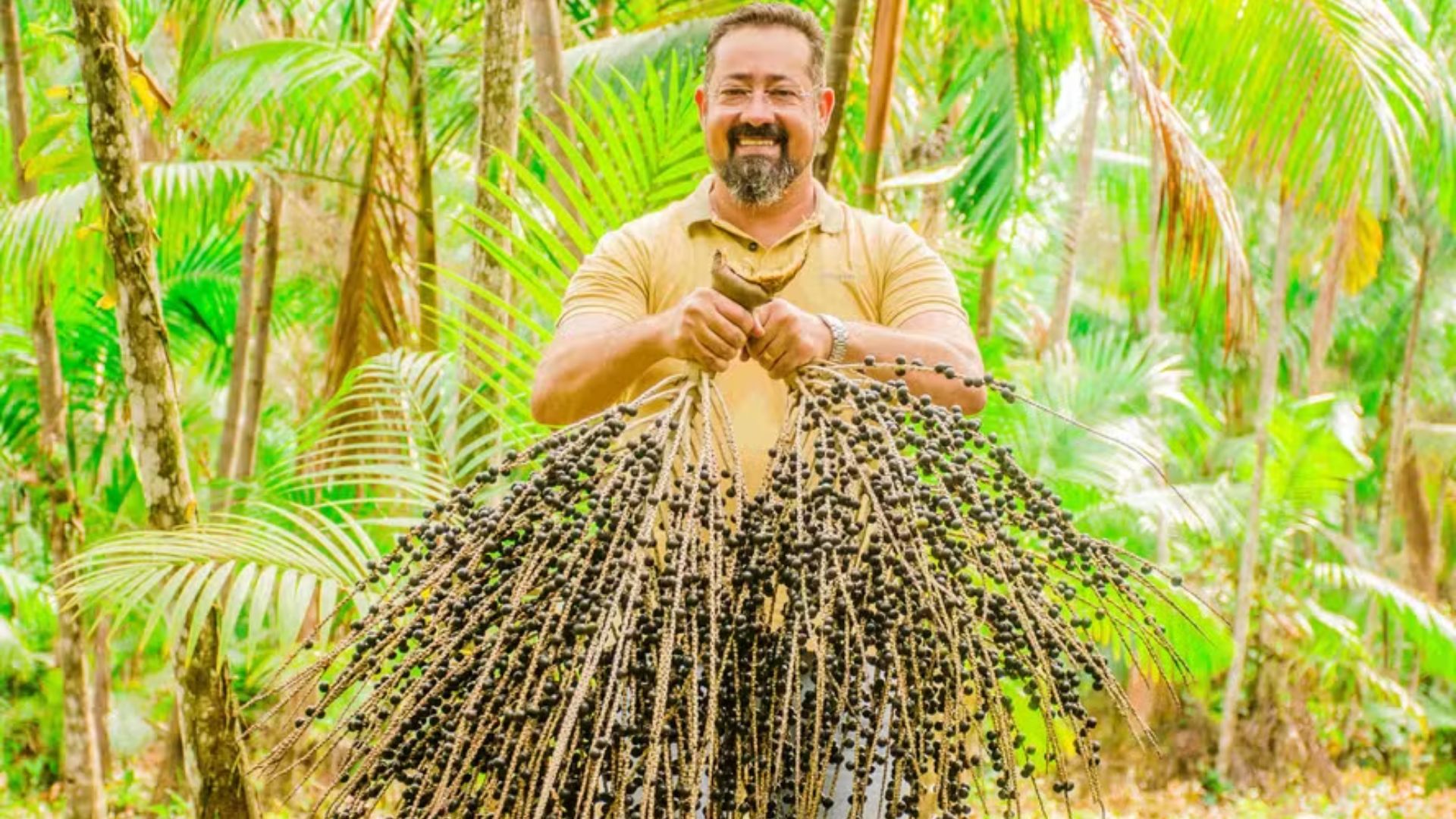
After working as a waiter for ten years, he borrowed R$ 500 from his brother, created 40-minute lines with an açaí cart on the street, and today runs a farm with 600,000 trees in Pará and a network worth R$ 45 million.
-
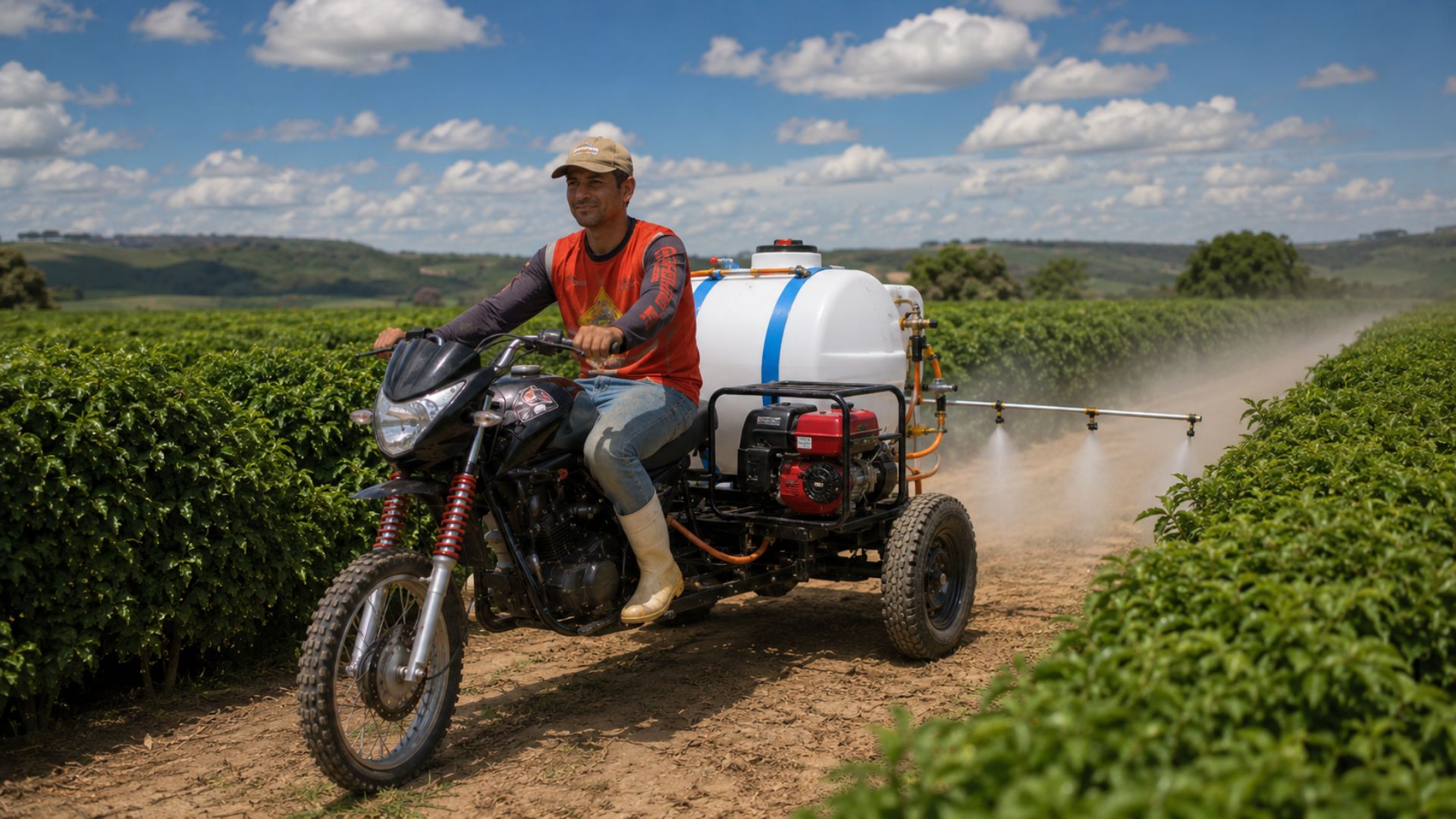
A Brazilian inventor converts a regular motorcycle into an agricultural tricycle with a sprayer, dump body, and mobile workshop with a generator to assist small rural producers without a tractor.
-
The $9.9 trillion agriculture that feeds the 2026 World Cup with hamburgers in Dallas, tacos in Mexico, poutine in Canada, and food for 7 million fans



This movement follows a broader trend of experience tourism in Minas Gerais, especially in regions linked to Queijo Minas Artesanal. The official Minas Gerais portal includes Queijo Seu Jorge in the Rota do Queijo Terroir Vertentes, a route that brings together farms and cheese factories connected to gastronomy and rural tourism in Campo das Vertentes.
In practice, the farm stopped offering just a final product and started delivering a complete experience. The visitor does not only find the ready cheese. They find the environment, the history, the production, and the way of life that give meaning to the food.
Rural tourism strengthened the sale of artisanal cheese and increased the family’s income
The opening of the property for visitation helped create a new revenue stream. Tourism did not replace cheese production. On the contrary, it started to function as a showcase for the products made on the farm and strengthened the relationship between the consumer and the origin of the food.
According to the already established logic in Minas rural tourism, experiences related to artisanal gastronomy increase the perceived value of the product and expand the reach of the property’s brand. In the case of Queijaria Seu Jorge, this happens because the visitor learns about the process, creates a connection with the family, and takes home more than just food. They take a story associated with the territory.


This type of strategy is especially relevant in the interior of Minas, where tradition, cuisine, and regional identity have strong tourist appeal. When cheese stops being just a commodity and becomes part of an experience, it gains strength as a product and as a cultural symbol.
Seven women run the cheese factory and keep a family tradition alive in Minas Gerais
One of the strongest points of the Queijaria Seu Jorge story is precisely its family base. According to the Ritápolis City Hall, the enterprise is run by seven women from the same family, who preserve the farm’s tradition while adapting the property to a new economic reality.
This detail makes a difference because it reinforces two highly valued elements in rural tourism. The first is authenticity. The second is the continuity of knowledge between generations. The visitor does not find a staged performance for tourists but a real activity, conducted by those who live the production daily.
This model also helps explain why the property gained regional visibility. The combination of family management, artisanal production, female leadership, and experiential tourism transformed the farm into a local reference.
Queijo Seu Jorge entered the official gastronomic tourism route of Minas Gerais
The presence of the property on the Terroir Vertentes Cheese Route, highlighted by the official portal Minas Gerais, shows that the visibility of the business has already surpassed local reach. Being included in a structured tourist route reinforces that the farm has come to occupy a significant space within the map of Minas Gerais gastronomy.
This recognition also expands the potential for visitation, as it connects the cheese factory to a broader flow of travelers interested in authentic experiences, regional cuisine, and artisanal products. Instead of relying solely on direct sales to consumers in the city or region, the property becomes part of the state’s tourist circuit.
For Campo das Vertentes, this has economic and cultural weight. For the family, it represents a way to grow without breaking with the tradition that originated the business.
When cheese becomes an experience, the farm creates value without losing its essence
The story of Queijaria Seu Jorge, in Ritápolis, shows how the countryside can generate new opportunities without abandoning what makes it unique. By opening the property to visitors, the family transformed the artisanal cheese production into an experience linked to memory, territory, and Minas Gerais cuisine.
According to the Ritápolis City Hall, the regional recognition of the farm came precisely from this ability to unite tradition and innovation. Meanwhile, the official portal Minas Gerais confirms the tourist strength of the business by including Queijo Seu Jorge in one of the state’s gastronomic routes.
In the end, what this experience shows is simple and powerful. In the interior of Minas, cheese can continue to be food, tradition, and livelihood. But, when well presented, it can also transform into tourism, visibility, and a new source of income for those who live off the land.








Be the first to react!