






 Portuguese
  Spanish


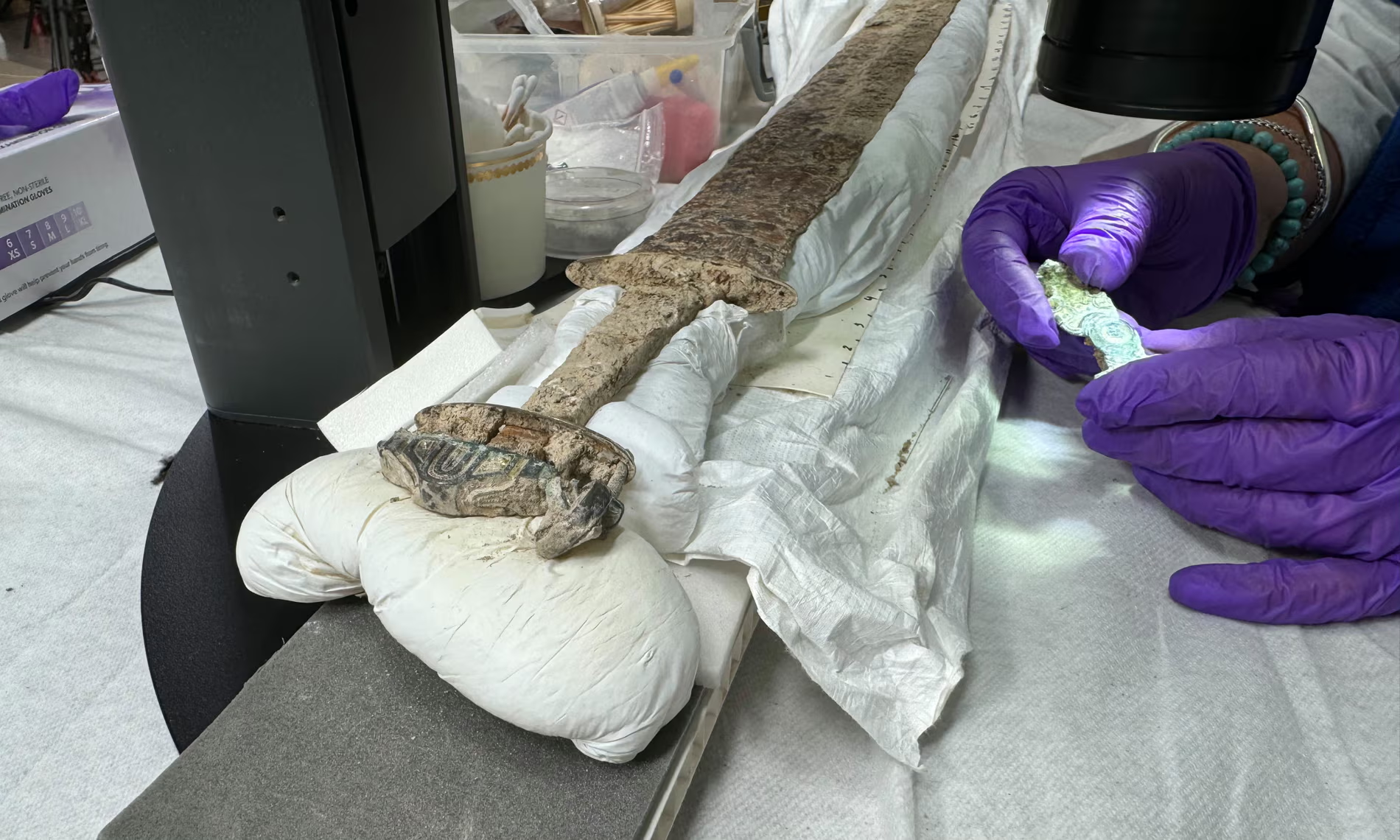
Archeologists Uncovered a 1,500-Year-Old Sword in an Anglo-Saxon Cemetery, Surprising Due to the Preservation and Historical Importance of the Artifact.
Archeologists found an Anglo-Saxon sword exceptionally well preserved in a recently identified medieval cemetery near Canterbury, England.
The rare piece, dated to the 6th century, drew attention for its state of conservation and the richness of its details, including rune inscriptions along the blade.
The exact location of the archaeological site is being kept secret to protect it. It is estimated that the cemetery contains more than 200 graves, of which only 12 have been explored so far.
-
Argentina to Use 2026 World Cup to Pressure Over 13,000 Child Support Debtors, Warns They May Be Banned from Stadiums

-
Man Who Lost Vision Due to Lack of Roads Invests Fortune in Building 59 km Route, Ending 1,300 Years of Isolation in Brazilian Village and Boosting Tourism and Jobs

-
São Paulo Invests Millions in Massive Reservoirs to End Decades of Water Shortages, Providing Relief to Residents

-
Luxury Mansion in Rio with Views of Christ the Redeemer Listed for $25 Million




Details About the Discovered Sword
Described as one of the most important discoveries, the sword impresses not only for its historical value but also for what it reveals about the early medieval period.
Made with a silver and gold inlaid hilt, the piece retains traces of its original scabbard, composed of leather, wood, and a beaver skin covering.
One of the most intriguing details is a ring on the sword’s pommel, which may symbolize an oath of loyalty to a king.
According to researchers, this weapon belonged to a high-ranking figure, possibly an important warrior or leader from the Anglo-Saxon period.
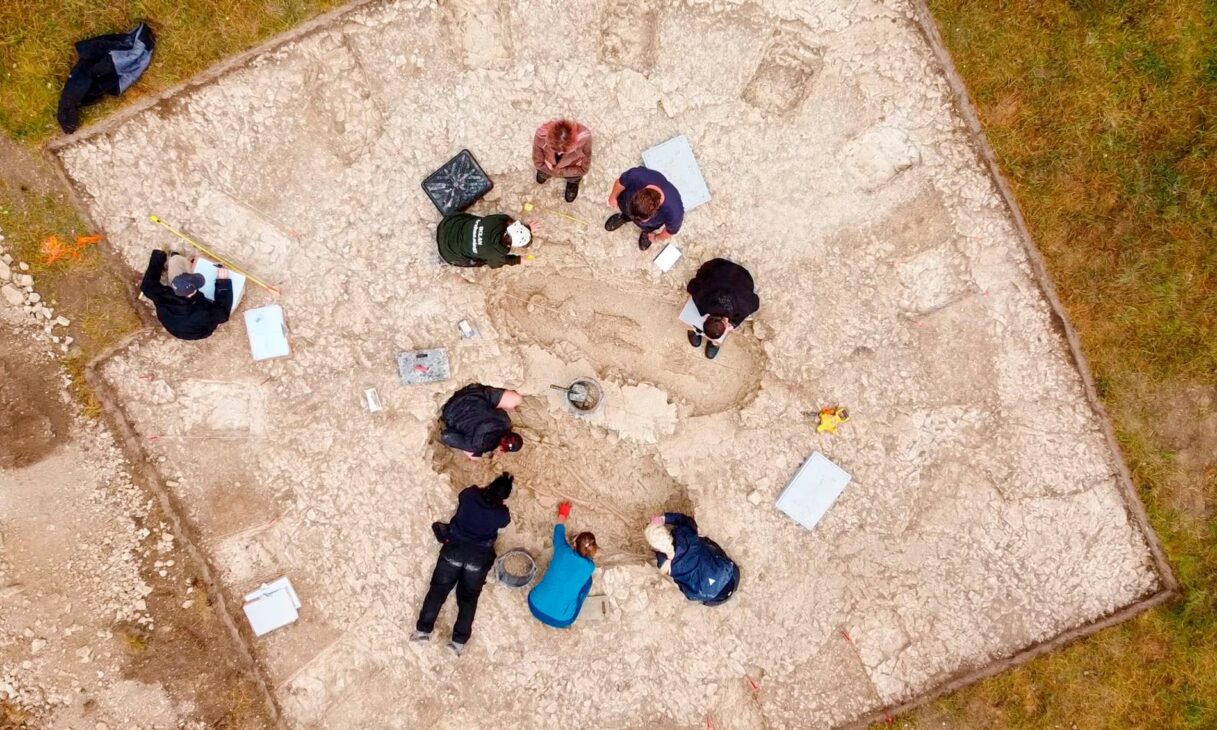
Burial and Funeral Practices
The grave where the sword was found provides clues about the burial practices of the time. Researchers observed pupae on the sword, indicating that the swordsmith’s body was not buried immediately.
This evidence points to a possible differentiated burial custom, possibly involving a type of “open coffin,” previously unknown for the period.
In addition to the sword, the grave contained a gold pendant with inscriptions of a serpent and a dragon.
This artifact suggests that the swordsmith possessed a valuable ancestral heritage, reinforcing their elevated status in society.
A Cemetery with Diverse Cultural Influences
The 12 graves explored so far presented varied artifacts, including items associated with foreign cultures, such as Scandinavians and Franks.
This diversity of objects points to a period of intense cultural exchange and significant political changes.
According to Duncan Sayer, the project’s chief archaeologist, the cemetery offers a “unique window” to understand a period of migration and genetic transformations in Britain after the collapse of the Roman Empire.
Exhibition and Future of the Excavations
The discovery has attracted attention not only from archaeologists but also from the general public, who will be able to follow the details of the excavation in the new season of “Digging for Britain.”
Professor Alice Roberts, host of the show, highlighted the importance of the find: “This extraordinary Anglo-Saxon cemetery gives us a fascinating insight into richly furnished burials, including spearheads, knives, and, of course, this impressive sword.“
After undergoing a meticulous restoration process, which may take years, the sword will be exhibited at the Folkestone Museum, where it will be one of the highlights of the collection.
Discovery Promises Future Revelations
With more than 200 graves still to be investigated, archaeologists hope that this cemetery will continue to provide valuable information about life, death, and cultural practices in medieval Britain.
The excavations proceed cautiously, with the promise of more notable finds in the near future.


-

-

4 people reacted to this.