






 Portuguese
  Spanish


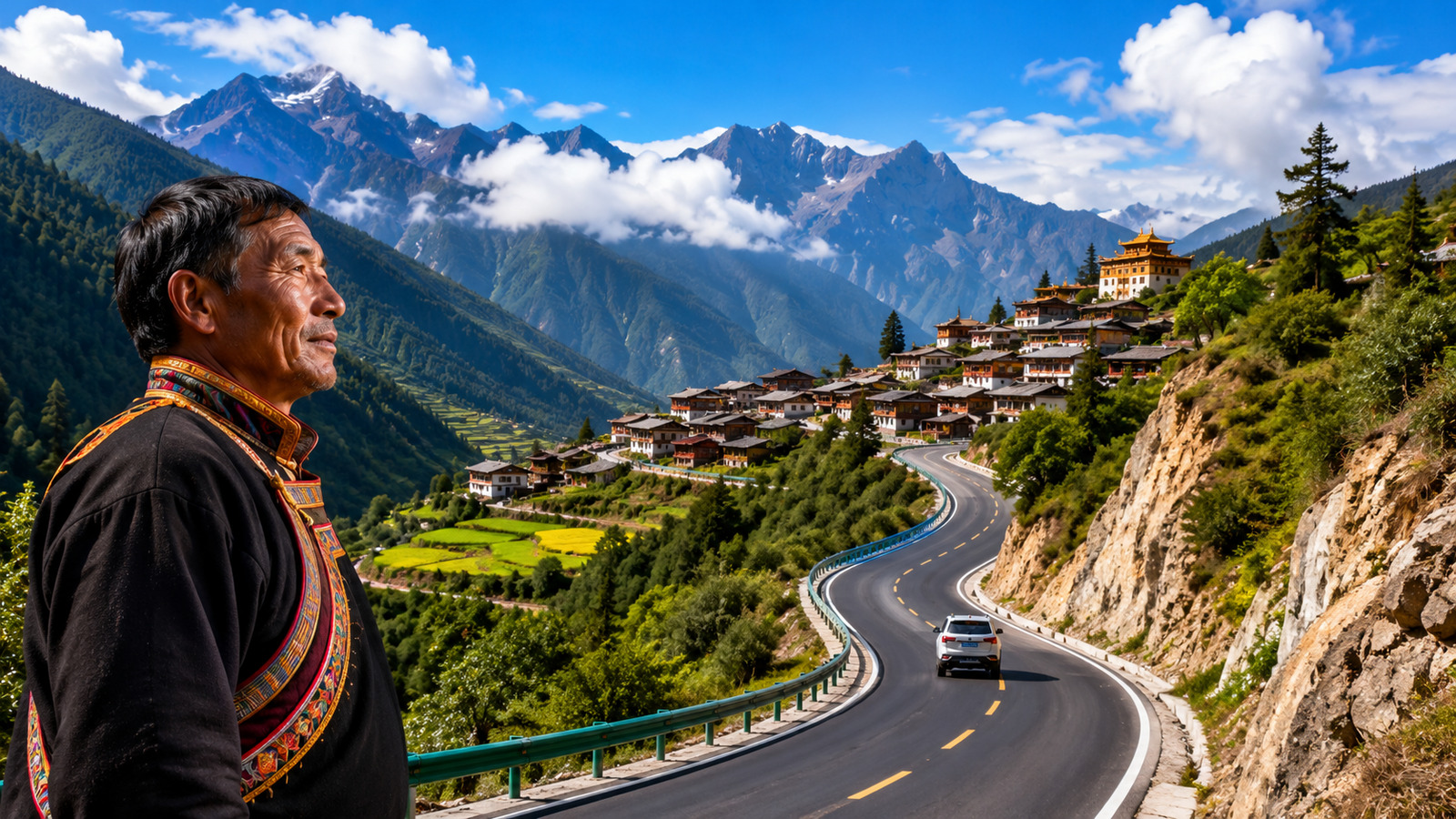
After losing part of his vision due to lack of medical access, Si Na Dingzhu invested almost his entire fortune in a road that connected Balagezong, opened markets, attracted tourists, and transformed neighboring communities in Yunnan
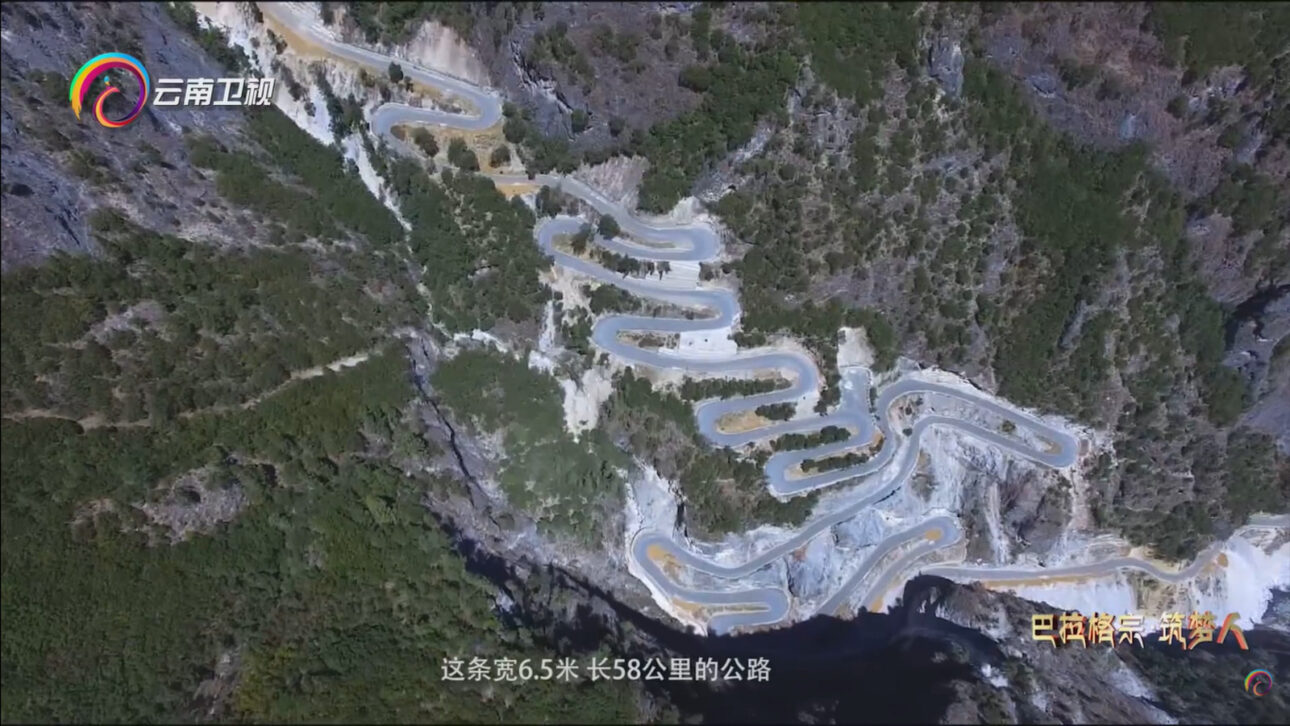
The Balagezong road, built over ten years by entrepreneur Si Na Dingzhu, stretches 59 kilometers through the mountains of Shangri-la, in China’s Yunnan province. The connection ended about 1,300 years of isolation, facilitated tourism, enabled the sale of agricultural produce, and created new sources of income for local residents.


Born in Balagezong in 1964, Si Na Dingzhu grew up in a community marked by poverty, remoteness, and difficulty accessing basic services. At ten years old, an eye injury would change his trajectory.
Without a road, he had to walk for almost a week to the county seat in search of care.
-
São Paulo Invests Millions in Massive Reservoirs to End Decades of Water Shortages, Providing Relief to Residents

-
Luxury Mansion in Rio with Views of Christ the Redeemer Listed for $25 Million
-
How Underwater Bridge Foundations Support Thousands of Tons Without Sinking: The Engineering Techniques Behind River and Sea Constructions
-
BYD’s Giant Ship Docks in Southern Brazil with 7,216 Electric and Hybrid Cars, Marking the Largest Automotive Operation at the Port in 2026 and Bringing First-Half Total to Nearly 15,500 Vehicles


When he arrived, the critical moment for treatment had passed, and his vision could not be fully recovered.
On the way back, according to local guide Den Zing, the boy began to imagine a connection between Bala, as the village is known by locals, and the outside world.
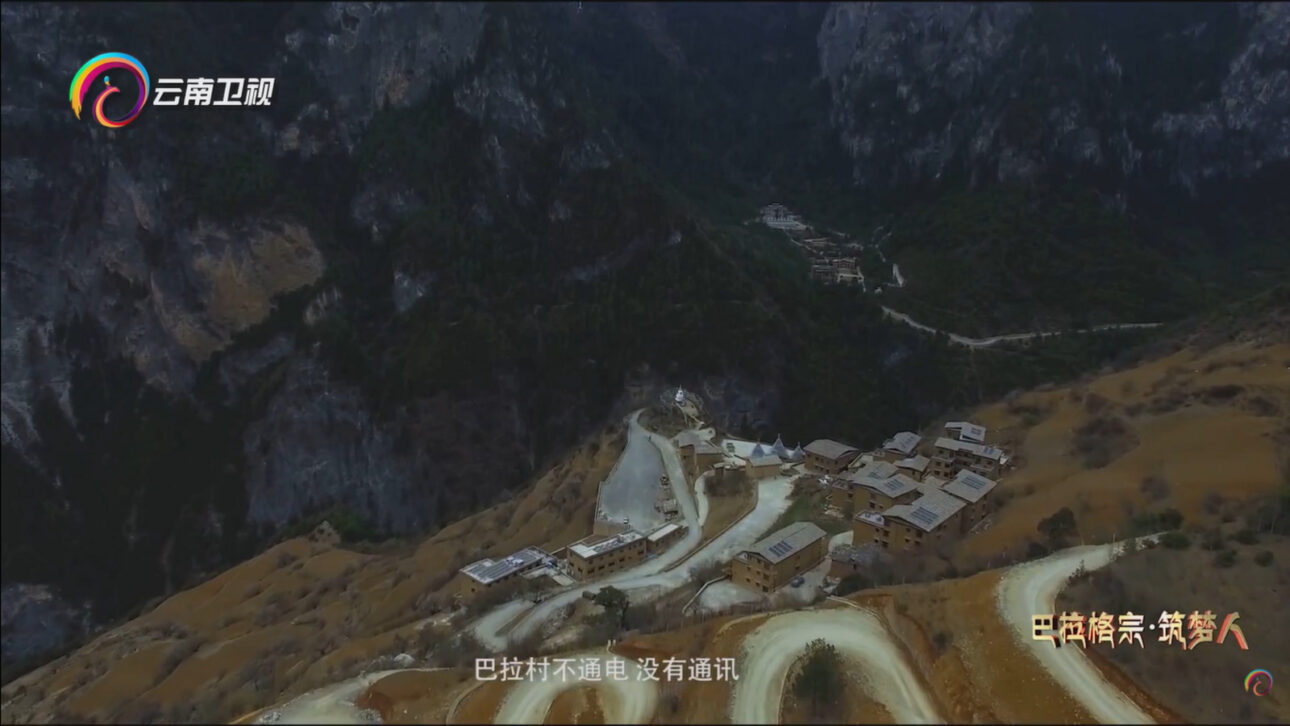
Balagezong road took ten years to complete
Si Na Dingzhu left the village and built his fortune working in Guangdong province. Later, he returned to his homeland determined to transform the reality faced by the residents.
He invested almost all the accumulated wealth in the construction of the Balagezong road. It took ten years of work to complete the 59 kilometers needed to connect the community to the external region.
The road was opened in 2008. In December 2009, Balagezong received China’s second-highest level for ecotourism areas, a classification that requires specific standards of environmental preservation and ecological management of tourist activities.
Currently, the locality receives Chinese and foreign visitors. Balagezong has also become part of the UNESCO World Heritage area known as the “Three Parallel Rivers”.
The region encompasses the parallel courses of the Yangtze, Mekong, also called Mecom, and Salween rivers in southwest Yunnan. The territory is considered one of the areas with the greatest biodiversity on the planet.
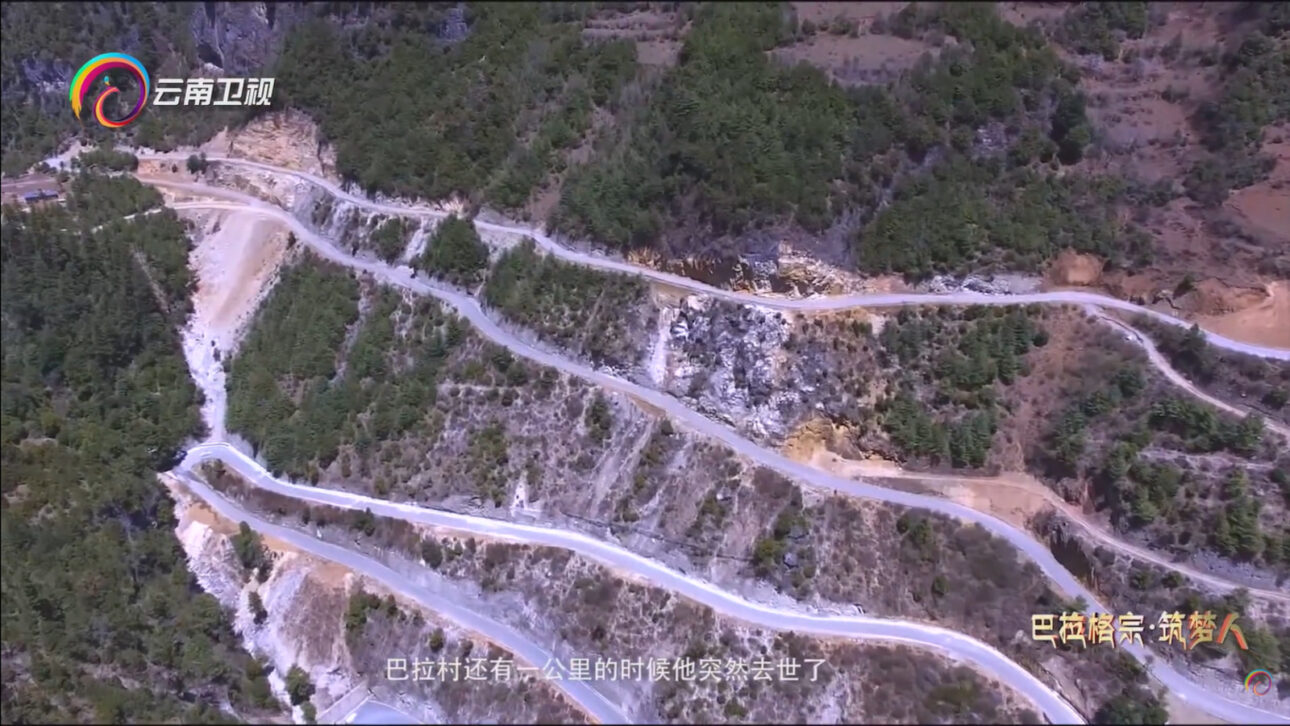
Products that were rotting now generate income
Before the road, agricultural production was stuck in the mountains. Resident Pang Zhuoma reports that the apples grown in the community, despite being fresh and organic, could not reach the markets.
Without buyers and without transportation, some of the fruits were destined for pigs or left to rot.
The same happened with matsutake mushrooms, rare medicinal herbs, and other wild products found in the region.
The opening of the road created conditions for these products to be marketed outside the village. The change also increased the movement of residents, who were previously unable to study, work, or visit other cities due to the long and difficult journey.
Pang states that she began receiving a stable monthly income of several thousand yuan, equivalent to approximately R$ 2,000 to R$ 4,000. With the resources, her family was able to build a new house.
Ecotourism combines preservation and rural revitalization
The transformation of Balagezong brought together the initiative of Si Na Dingzhu and rural revitalization policies implemented by the Chinese government.
In the village, ecotourism was associated with environmental protection and the creation of economic activities for the communities.
Old houses were renovated and transformed into boutique inns. The two best-preserved traditional residences became a popular residential museum, created to present visitors with the daily life, customs, and way of life of the Bala people.
According to Den Zing, the space allows tourists to closely experience cultural practices preserved for centuries. One of the houses keeps the flag of the Communist Party of China hoisted on the facade.
The local culture also gained space outside the mountains. Traditional funeral songs and other intangible heritage began to be shared with people from other regions.
Jobs reach residents of neighboring villages
The effects of the Balagezong road extended beyond Bala’s borders. Residents of nearby communities began to find job opportunities related to tourism and local activities.
According to Pang, hiring does not require schooling nor sets criteria that exclude workers from neighboring villages. For her, the model resembles a targeted poverty reduction program.
The road also changed the residents’ relationship with services, markets, and training opportunities.
A journey that previously required several days of walking is now completed via a direct road connection.
For Pang, the project brought more than income. The resident associates the road with connection to other regions, improvement of living conditions, and the possibility of building a future for the next generations.
This article was prepared based on information from the Bem Viver program, from Brasil de Fato, with data, numbers, and statements preserved as per the consulted material.


Be the first to react!