Portuguese
  Spanish


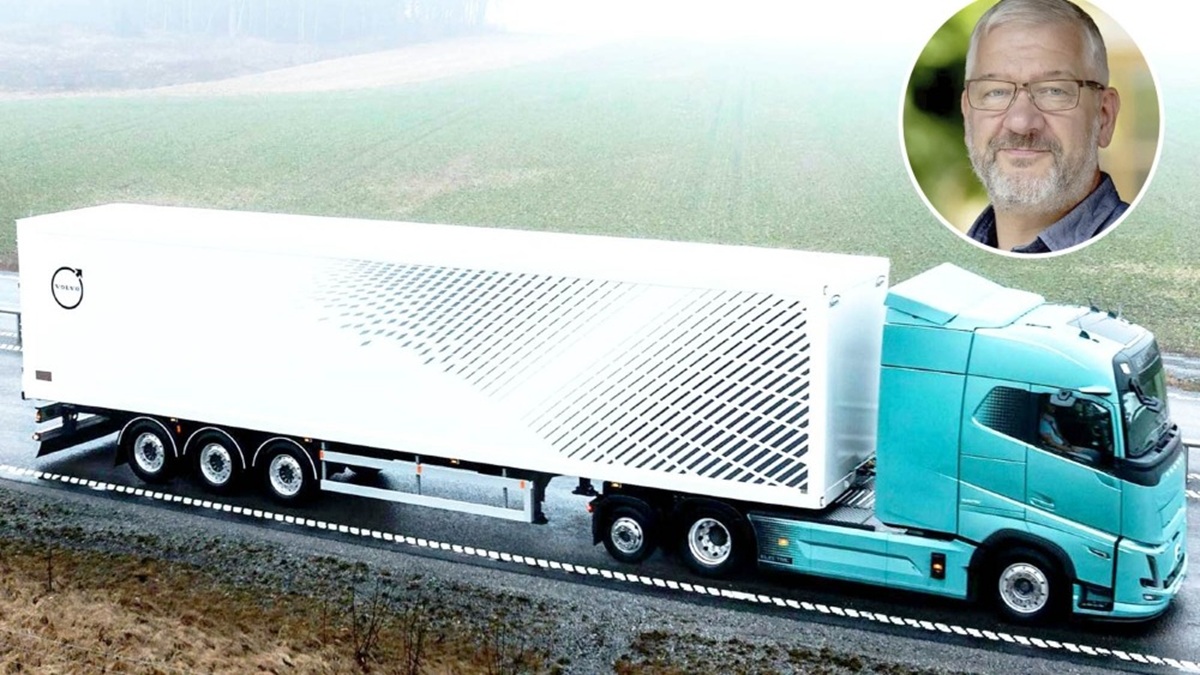

For Years, Truck Electrification Was Seen as Unfeasible. But Now, Experts Assert That the Necessary Technology Is Already Available and Working.
For a long time, heavy transport electrification seemed like a distant idea. Trucks require more energy, have intense routines, and travel long distances.
That’s why many doubted the viability of these electric-powered vehicles. However, that is changing. Today, experts guarantee that there are no more technical obstacles.
The most important thing is that the technology already exists and works.
-
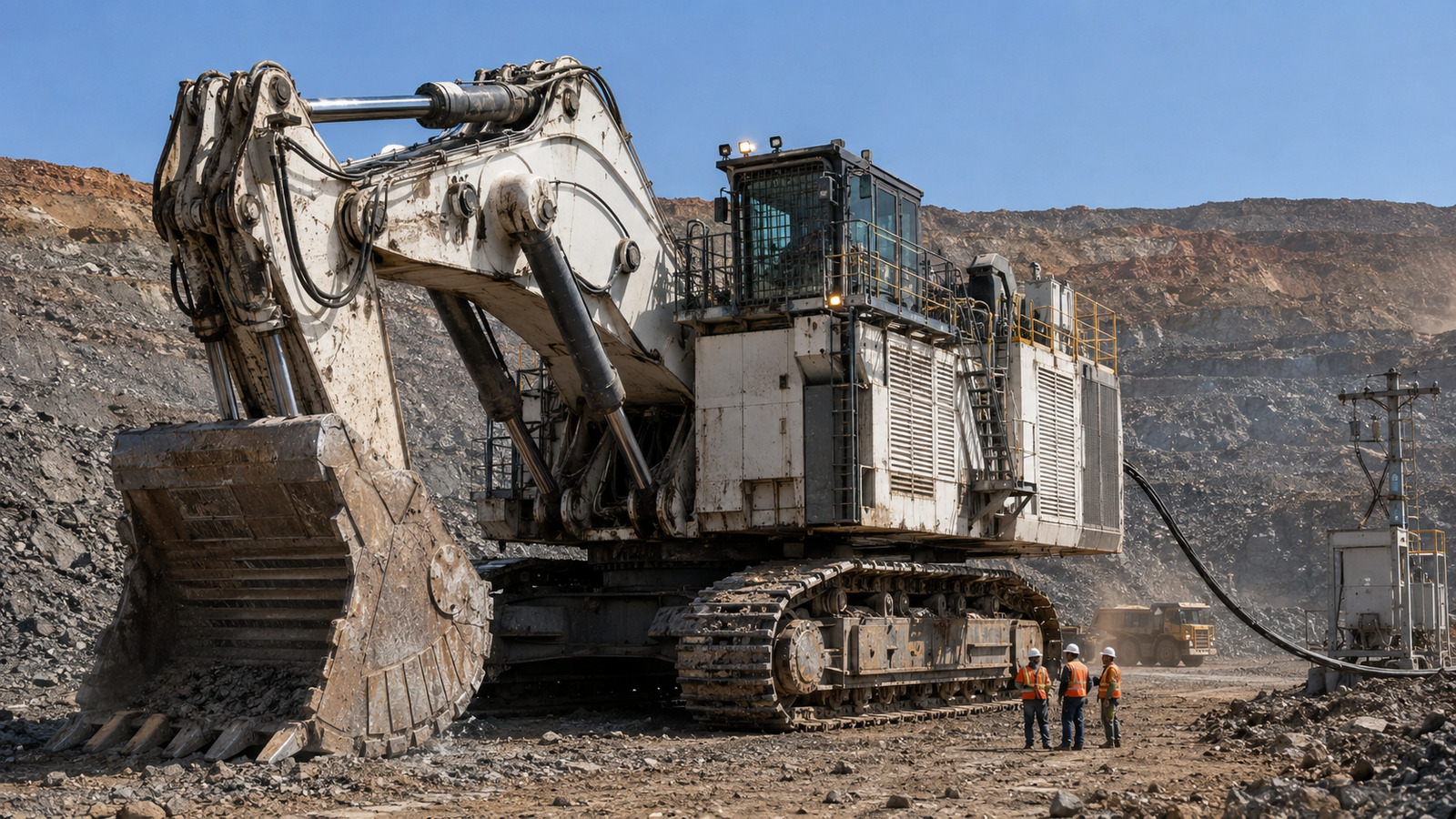
Unprecedented achievement in India: a colossal 650-ton, nearly 3,000 hp excavator is transformed into 100% electric, marking a new phase in heavy mining.

-
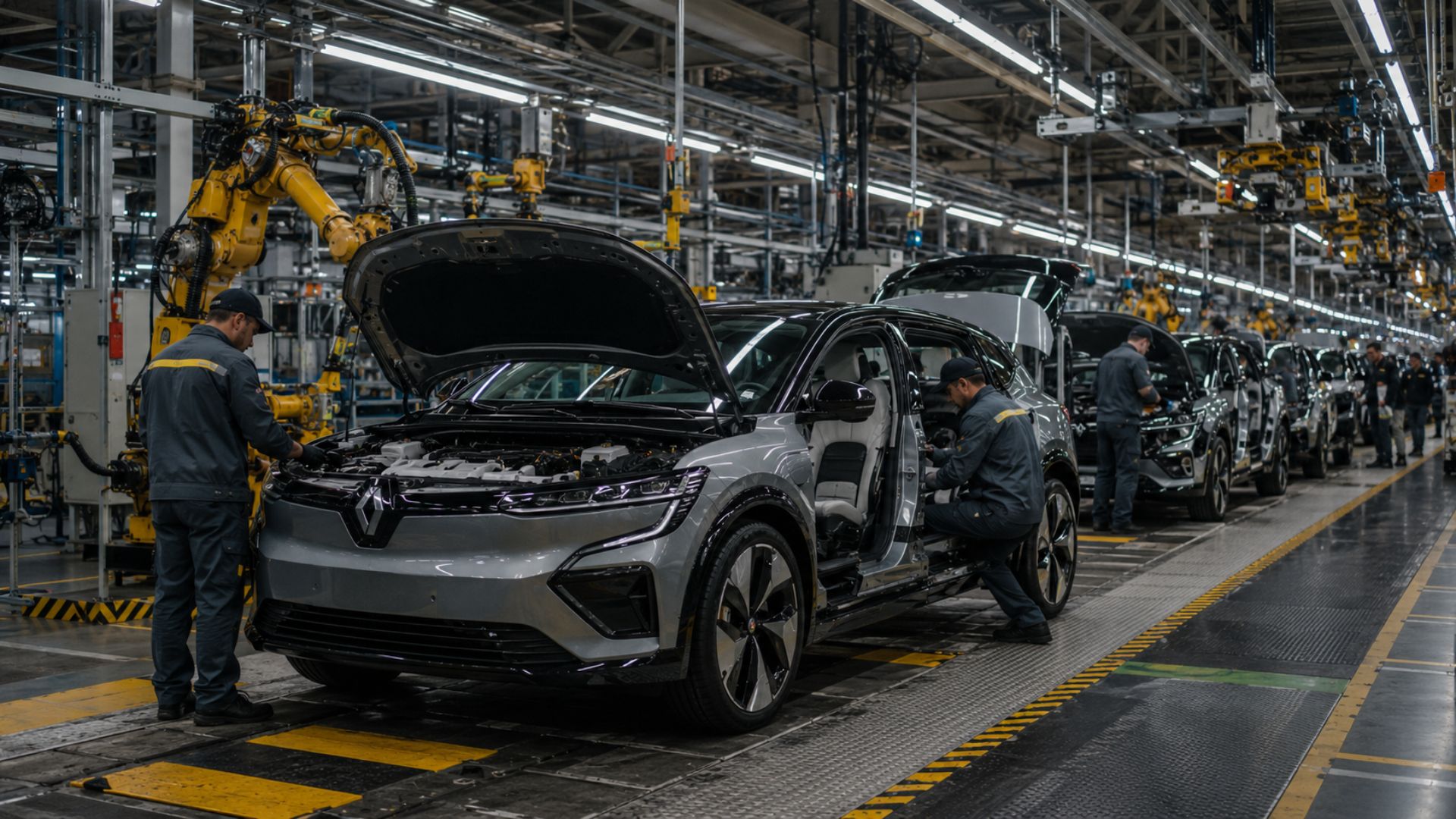
Frightened by the speed of Chinese manufacturers, Renault decided to mimic the pace, made the new electric Twingo in just 21 months, wants to repeat the feat with 36 models by 2030, and along the way, will cut up to 2,400 engineering positions.

-
Chinese battery from Dongfeng promises to exceed 1,000 km without relying on liquid electrolyte, and the detail behind the technology could change the electric car competition.

-
The end of the automotive combustion era has already begun, but many in Brazil have not yet realized the magnitude of the shift towards Chinese electric cars.
The question now is not if electric trucks will be viable, but when the transition will actually happen on a large scale.
Experts Confirm: Electric Trucks Work
Anders Grauers, a professor at Chalmers University of Technology in Sweden, is one of the most respected names on the topic.
He works with electric vehicles, charging infrastructure, and energy efficiency.
In an interview with the website Electrive, he was direct: “the electrification of trucks no longer faces real technical obstacles”.
According to Grauers, there are at least three ready solutions: electric trucks with rechargeable batteries, hydrogen-powered vehicles, and even road systems with electric energy.
All work well. The choice depends on the application.
Brands like MAN Truck & Bus and Volvo are already advanced in producing these models.
Tesla also unveiled its Semi truck, which attracted attention even with some controversies.
Transition Requires Patience and Concrete Action
Despite the optimism of experts, many logistics operators still doubt the viability of electric trucks.
For Grauers, this resistance comes, in part, from impatience. “We want a very rapid transition,” he warns.
Forcing the change can lead to rejection. According to him, the best approach is to act with patience and determination.
Among the urgent actions are: increasing technical knowledge, conducting large demonstrations, and creating public policies aimed at electrification.
“I have participated in projects with manufacturers, operators, and charging companies. They work. The technology is ready. We just need to expand,” reinforces Grauers.
Battery Weight Is Still a Technical Challenge
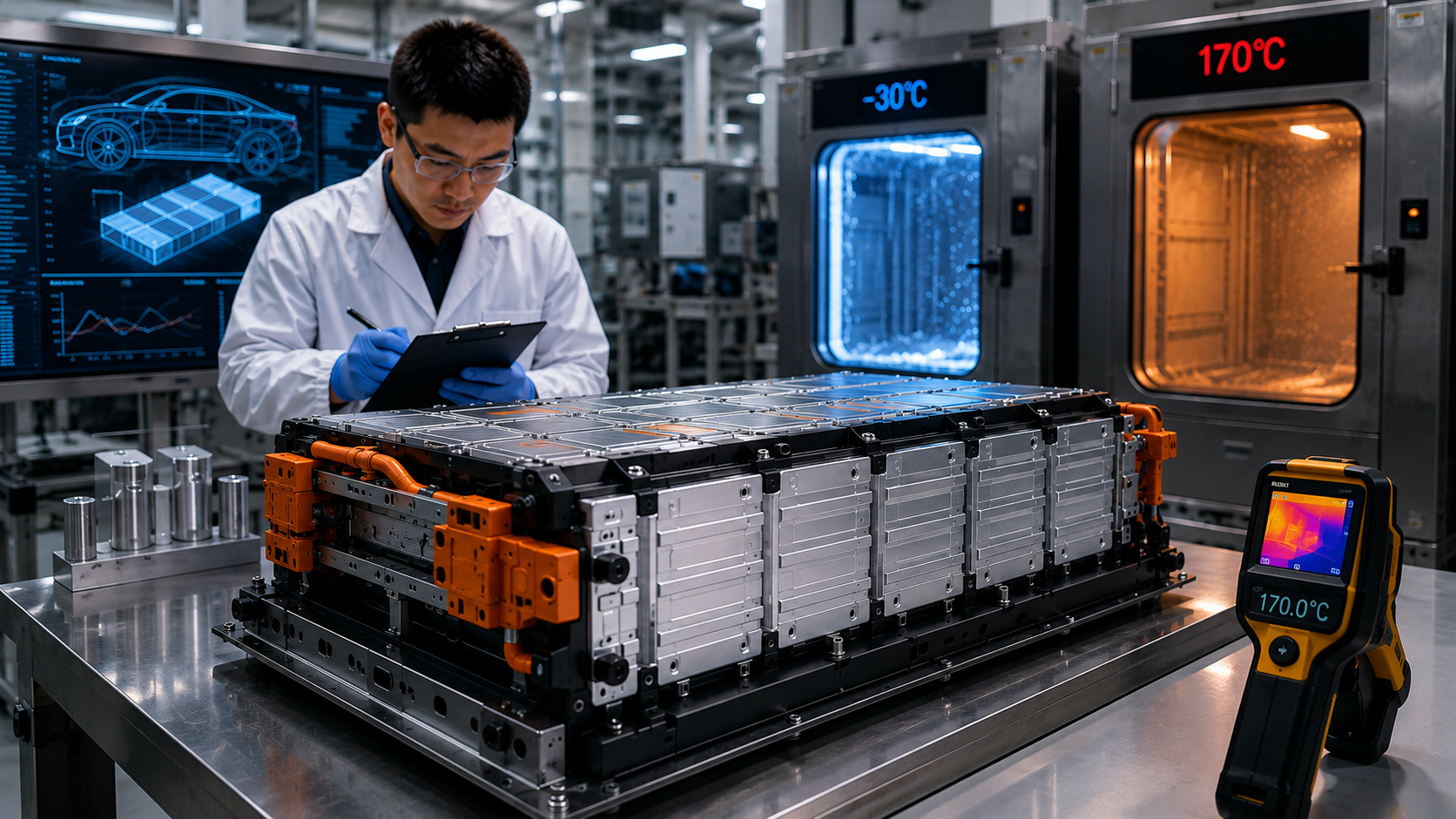
The cost of electric trucks is a constant concern. But it is not the only issue. The weight of the batteries also affects the performance of these vehicles.
In passenger cars, this matters little. In trucks, it directly impacts the load transported.
“For trucks, battery weight is a limiting factor,” explains the expert.
He states that if it were just a cost issue, current batteries would already be profitable for many routes.
Therefore, it is necessary to find a balance. Smaller batteries are cheaper, but have shorter lifespans. Larger ones last longer, but can be too heavy.
Grauers’ suggestion is clear: increasing the size slightly — between 20% and 25% — can be advantageous, as long as weight is not an issue.
Furthermore, not all trucks need to drive 1,000 km a day. Many operate on short routes, which allows for the use of more compact batteries.
Charging Is a Key Point for Reducing Costs
Another central point is charging. The so-called Total Cost of Ownership (TCO) depends on this. It is this number that determines if investing in an electric truck is worthwhile. And charging significantly impacts this calculation.
For Grauers, most companies can operate with daily charging at their base. Public chargers will only be necessary when unforeseen circumstances arise. However, in the case of long-distance transport, the situation complicates.
Between 40% and 50% of the energy used by these vehicles will have to come from public stations. This requires robust and affordable infrastructure. Currently, that is not the case.
“Our studies show that the price of public charging needs to be halved to make long-distance electric transport viable,” states the professor.
Time to Act: The Technology Is Ready
Electrification of heavy transport is an essential piece in the fight against climate change.
There are still barriers, such as cost, infrastructure, and operator adaptation.
But the most important hurdle has already been overcome: the technical part.
The future now depends on economic and political decisions. If governments and companies act, the transition can happen efficiently.
And, as Grauers shows, there is no shortage of technology — there is a lack of will to implement it.