






 Portuguese
  Spanish


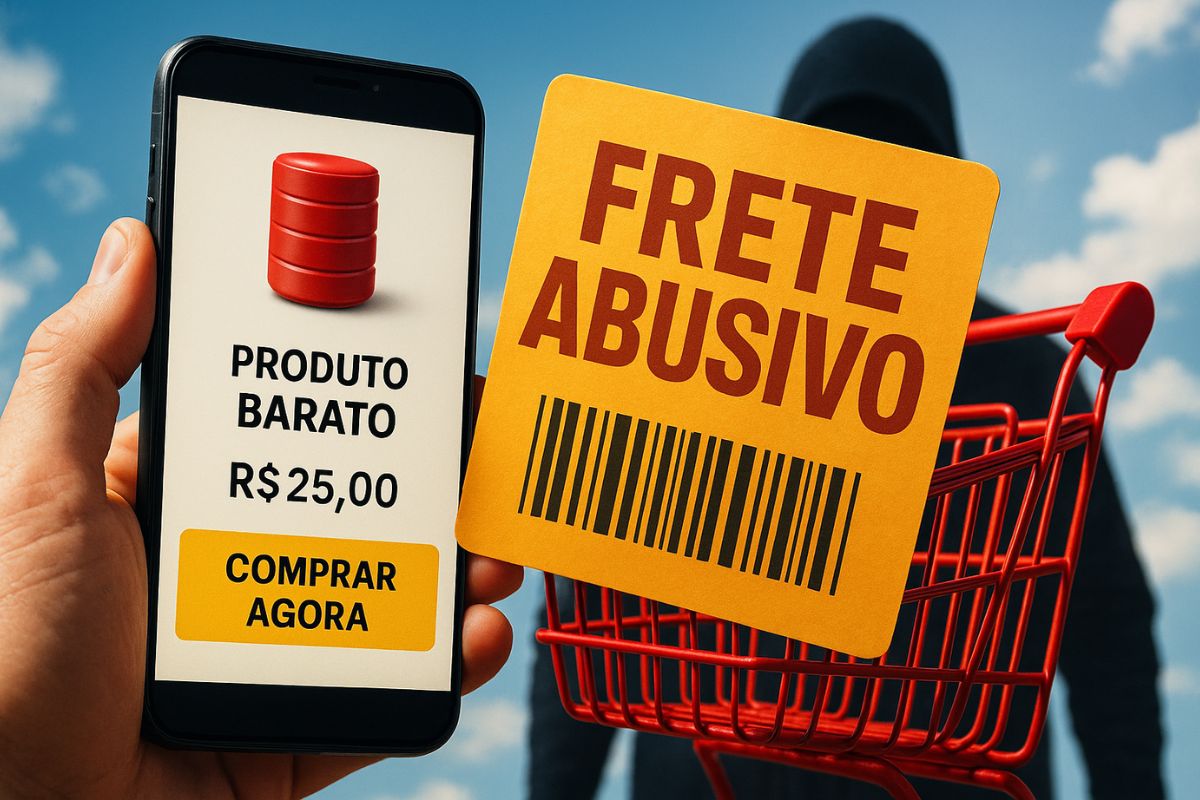


Warning of The Most Powerful Scam on The Internet Worries Brazilian Consumers. Fraud Known as “Fake Freight” Grows on Social Media, Deceiving Users with Symbolic Prices and Abusive Deliveries.
The most powerful scam on the internet is circulating strongly in Brazil and worries digital security experts. The practice, called the “Fake Freight Scam,” relies on misleading advertisements for products at symbolic prices — in some cases, even free — but hidden behind a very high or non-existent shipping fee.
According to authorities and experts in cybersecurity, this type of scam has already made hundreds of victims across the country. The criminal’s profit does not come from the cheap product, but from charging an abusive shipping fee, which can reach nearly R$ 200 for items advertised at just R$ 5.
How The Most Powerful Scam on The Internet Works
The scheme follows a social engineering script. The scammer posts an attractive product on social media platforms like Facebook Marketplace or Instagram, often described as “last piece” or “just pay for shipping.”
-
Brazilian Steel Giant Partners with USP to Develop 40% Stronger Rebar for World’s Tallest Residential Building in Brazil’s Senna Tower

-
Oil Prices Drop to $72 as 20 Million Barrels Pass Through Strait of Hormuz in 24 Hours, Easing Supply Fears but Regional Tensions Keep Market on Edge

-
Brazil’s Ministry of Justice Investigates CazéTV for Betting Ads During World Cup Broadcasts

-
Brazilian Retail Giant Americanas Faces $10 Billion Asset Freeze Amid Investigation into Hidden Debts


The buyer, deceived by the low price, accepts the condition and pays the shipping fee via Pix. The problem is that the product never arrives. The seller disappears shortly after the transaction, blocking contacts and shutting down profiles.
This is why experts classify the practice as the most powerful scam on the internet at the moment: it takes advantage of urgency, the impulse for promotions, and trust in instant payment.
Who Are The Targets of Scammers
Anyone looking for promotions can become a victim, but the most targeted audience is the “bargain hunters”. These consumers focus on the ridiculous price of the product and end up rationalizing the abusive shipping fee as part of a “good deal”, without realizing the trap.
Scammers also exploit informal negotiation channels, such as WhatsApp groups and private messages on social media, where control and oversight are minimal.
What Are The Warning Signs
Experts highlight some key points to identify the most powerful scam on the internet:
- Disproportionate price between the product and shipping.
- Sellers who only negotiate via WhatsApp or Pix.
- Advertisements without delivery guarantees, without CNPJ, and without integration with secure payment platforms.
If the shipping fee costs more than the product, the chance of a scam is huge.
What To Do If You Fell For The Scam
If you have been a victim, the recommendation is to act quickly:
- Contact the bank immediately and request the opening of the MED (Special Mechanism for Refund) to try to recover the amount.
- Keep evidence, such as screenshots of the advertisement, conversations, and payment receipts.
- File a police report online or at a police station, classifying the case as fraud.
- Report the profile and the advertisement on digital platforms.
This quick action can increase the chances of stopping the scammer and protecting others.
How To Prevent It
The main way to prevent is to evaluate the total cost of the purchase (product + shipping) before finalizing the negotiation. If the amount seems excessive or inconsistent, the recommendation is to immediately abandon the offer.
Another important measure is to buy only from trusted sites that calculate shipping transparently and have secure payment systems. In case of doubt, it is worth checking the official table of the Post Office or carriers for a reference of the real shipping price.
Did you already know about the most powerful scam on the internet or know someone who fell into this trap? Do you think platforms should have more responsibility in blocking suspicious advertisements? Leave your opinion in the comments — your experience can help others avoid being deceived.


Sofri uma fraude parecida com isso, usaram o CNPJ e a plataforma da Amazon leiloando celulares que diziam ser produtos de mostruários. Paguei o valor no cartão, não mandaram número de pedido e nem NF. Só entendi que era fraude, porquê passaram os dias e o produto não foi entregue. Contestei a compra através do Banco Payflex que fez o pagamento ,mas até agora não consegui recuperar o valor. Se alguém quiser publicar a matéria completa, tenho todos os prints das páginas da fraude .Seria bom que outros ficassem sabendo, pra não cometerem o mesmo erro.
Uma vez um cara fez um video da livraria saraiva ,disse que estava voltando com promoçoes . Fiz o cadastro e ficaram de me enviar um livro que eu havia escolhido de graça , e me obrigaram a fazer o pagamento do frete que era mais caro que o livro em uns 100 reais a diferença . Ai fix o pix , mas so que nunca me enviaram livro nenhum . A propaganda veiculada no Youtube Shots o cara mostrava um montao de livros que a Saraiva havia enviado pra ele de graça , mas so que eram livros de paginas vazias .Eu fui obrigado a pagar por causa de uma ameaça escrita nas letrinhas miudas dizendo que se nao pagar eu ia sofrer açao judicial e que eles iriam tomar as medidas cabíveis . Se eles forem tomar as medidas cabiveis , que seja a devoluçao da quantia que paguei que foi um frete de 53 reais e mais um de 35 reais .Era um comercial em que agente apertava o botao SAIBA MAIS e era direcionado para o site oficial da Livraria Saraiva .