






 Portuguese
  Spanish


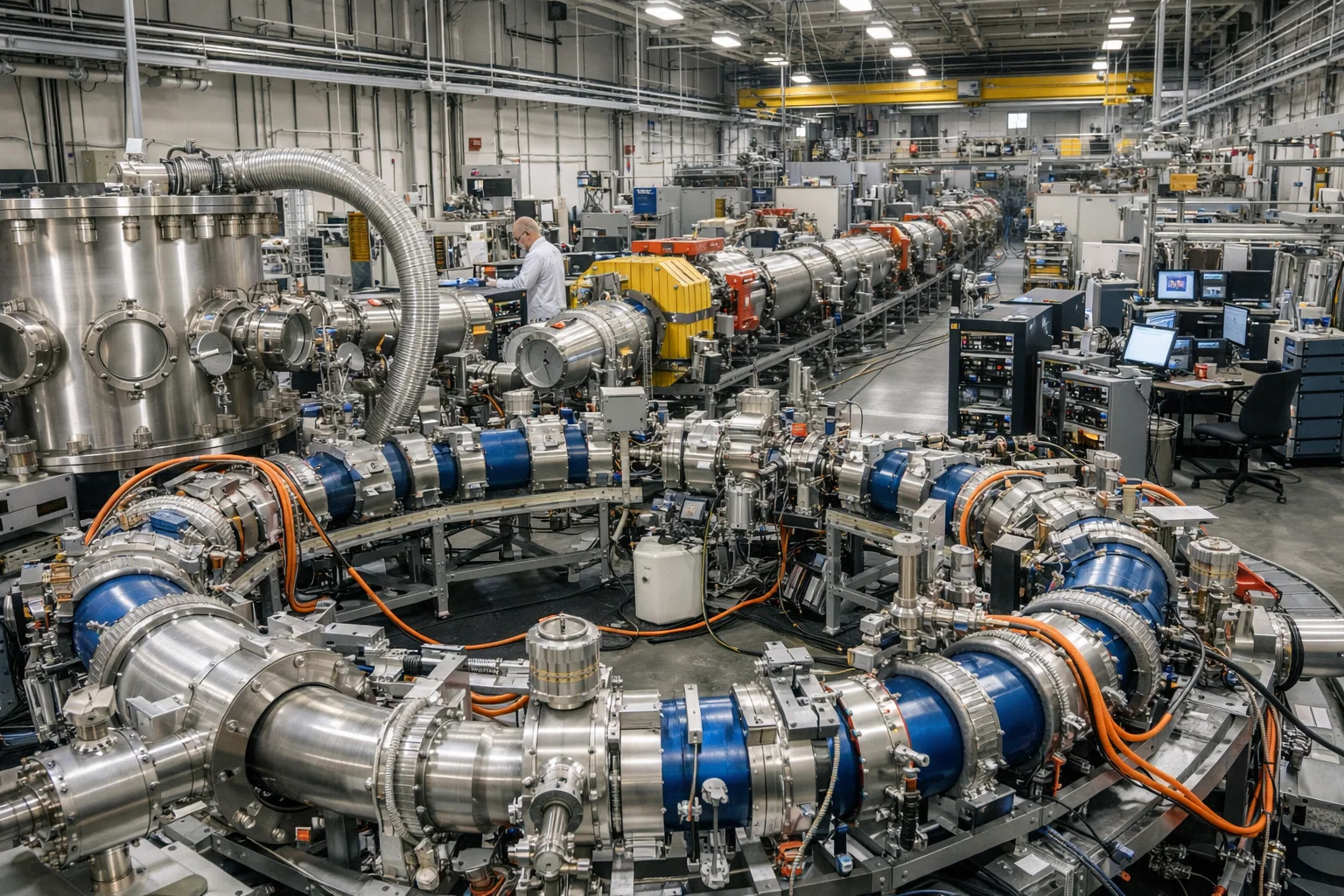


With An Investment Of US$ 8.17 Million, U.S. Department Of Energy Laboratory Bets On Superconducting Accelerators And 10 Megawatts Of Power To Recycle Used Nuclear Fuel And Generate More Electricity
What To Do With A Material That Remains Dangerous For 100,000 Years? For Decades, This Has Been The Question Looming Over The Nuclear Industry. Now, Researchers In The United States Claim That Part Of This Problem Can Be Converted Into Clean Energy.
The Proposal Is To Use Particle Accelerator Technology To Turn Nuclear Waste Into Clean Energy And Dramatically Reduce Its Radioactive Risk Time.
The Initiative Already Has US$ 8.17 Million From The NEWTON Program, Linked To The U.S. Department Of Energy.
-
Chile’s Plan for a 20,000 km Undersea Cable to Hong Kong Halted by U.S. Pressure, Highlighting the Silent Data Control Battle in Latin America

-
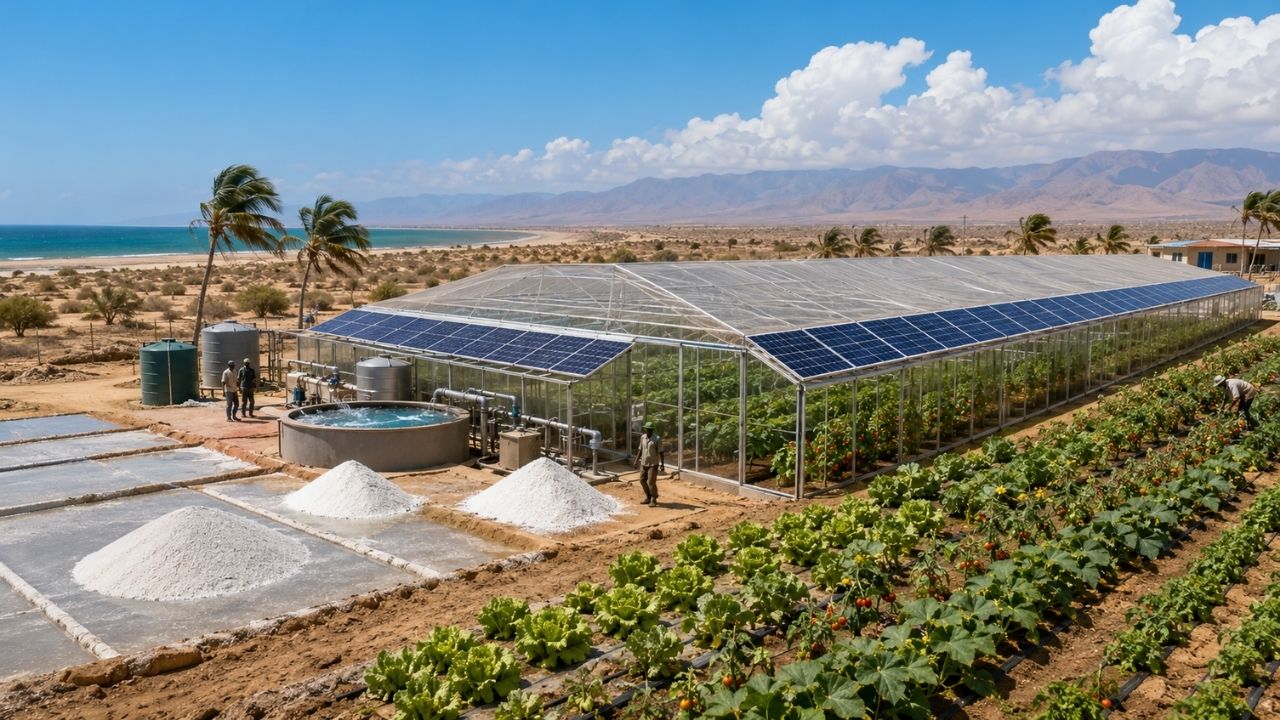
In Somaliland’s Desert, Greenhouse Uses Sun and Seawater to Grow Lettuce, Cucumbers, and Tomatoes Without Rain: 1-Hectare Project Cools Crops, Desalinates Water, and Converts Brine into Commercial Salt
-
Trump Unveils $400 Million Boeing 747 Donated by Qatar as Temporary Air Force One Amid Boeing Delays, Sparking Debate on National Security, Costs, and Foreign Influence
-
Chinese Company Unveils Robotic Toilet That Comes to You, Featuring Lidar Sensors, Voice Command, Bidet, Hot Air Drying, UV Light, and Self-Cleaning Waste Disposal



The Nuclear Liability That Crosses Generations And Pressures Governments For Definitive Solutions
Nuclear Power Plants Generate Electricity Without Carbon Emissions But Leave A Sensitive Legacy. Used Fuel Remains Radioactive For Thousands Of Years.
Today, The Predominant Strategy Involves Long-Term Storage And Debates Over Permanent Geological Repositories.
This Model Generates High Costs, Political Deadlocks, And Constant Public Concern.
Reducing The Risk Time From 100,000 To 300 Years Completely Changes The Scale Of The Problem. It Is A Difference That Alters Planning, Budgeting, And Intergenerational Responsibility.
The Engineering Behind Transmutation, High-Speed Protons, And A Flood Of Neutrons
The Technology Under Development Is Called Accelerator Driven Systems, Or ADS.
The System Fires High-Energy Protons At A Target, Such As Liquid Mercury. This Impact Triggers A Phenomenon Known As Spallation, Releasing A Large Amount Of Neutrons.
These Neutrons Interact With The Most Dangerous Isotopes Present In Nuclear Waste And Promote The So-Called Transmutation, Converting Long-Lived Elements Into Materials With Much Shorter Radioactive Lifespans.
The Reduction Can Reach 99.7 Percent In The Required Storage Time.
And There Is A Strategic Bonus. The Process Generates Enough Heat To Produce Additional Electricity, Expanding The Energy Utilization Of Already Used Fuel.
The Technical Detail That Could Decide Everything, Niobium Cavities With Tin And 10 Megawatt Magnetrons
The Major Challenge Has Always Been To Make The System Economically Viable.
Conventional Accelerators Require Large Cryogenic Structures To Achieve Extremely Low Temperatures. This Increases Operating Costs.
The Jefferson Laboratory Is Developing Niobium Cavities Coated With Tin. This Combination Allows Operation At Higher Temperatures, Reducing The Need For Complex Cooling Systems.
Another Decisive Point Involves The Beam Power. The Team Is Working On Adapting Magnetrons, A Common Technology In Microwave Ovens, To Deliver Up To 10 Megawatts With A Frequency Adjusted To 805 Megahertz.
This Fine Control Is Essential To Ensure Maximum Efficiency In Neutron Generation.
The Ambitious Goal Of Recycling The Entire U.S. Commercial Nuclear Stockpile In 30 Years And The Impact On The Energy Industry
The NEWTON Program Sets An Ambitious Goal: To Enable The Recycling Of The Entire U.S. Commercial Nuclear Stockpile Over The Next Three Decades.
If The Technology Reaches Industrial Maturity, It Could Change The Debate Over Permanent Geological Repositories And Reposition Nuclear Energy In The Energy Transition.
Companies Like RadiaBeam, General Atomics, And Stellant Systems Are Already Involved In The Development, Signaling That Interest Extends Beyond The Academic Environment.
What Is At Stake Is Not Just A Technical Innovation. It Is The Opportunity To Transform One Of The Biggest Liabilities Of The Energy Industry Into A Productive Asset.
The Possibility Of Drastically Reducing Radioactive Risk Time While Generating More Electricity Explains Why The Sector Is Closely Following This Progress.
Do You Believe This Technology Could Change The Future Of Nuclear Energy Worldwide? Share Your Thoughts In The Comments.


Os suíços já tavam fazendo essa pesquisa
Sem dúvida, a capacidade humana para
Resolver problemas é infinita. Foi Deus que criou, não há dúvidas. Parabéns aos idealizadores, goleada contra os pessimistas.
Já passou da hora e essa pesquisa pode ser melhoradas, parabéns aos pesquisadores a humanidade precisa de pessoas assim e investimento público e privado para solucionar problemas parabéns e vamos torcer pra dar certo