






 Portuguese
  Spanish


The PlanHidro SP Proposes to Transform the Tietê River into a Sustainable Mobility Axis, Connecting Neighborhoods and Revitalizing Urban Areas, Promising to Revolutionize Public Transportation and Promote Tourism in São Paulo.
Imagine a city where rivers become avenues for transportation and leisure, connecting people and revitalizing previously forgotten spaces.
This is the ambitious proposal of PlanHidro SP, a project that promises to change the way São Paulo moves and interacts with its rivers.
PlanHidro SP, recently presented by the São Paulo City Hall, plans to implement an innovative waterway transport system.
-
Payment Infrastructure Expert Highlights Diverse Realities in Latin American E-commerce, with Card Usage Ranging from 89% in Ecuador to 50% in Colombia

-
Brazil’s Central Bank’s Tight Monetary Policy Risks Stifling Both Production and Demand Amid High Inflation and Fiscal Imbalance

-
Over a Century After the Sinking, US Takes Legal Action to Stop Auction of Over 100 Titanic Artifacts

-
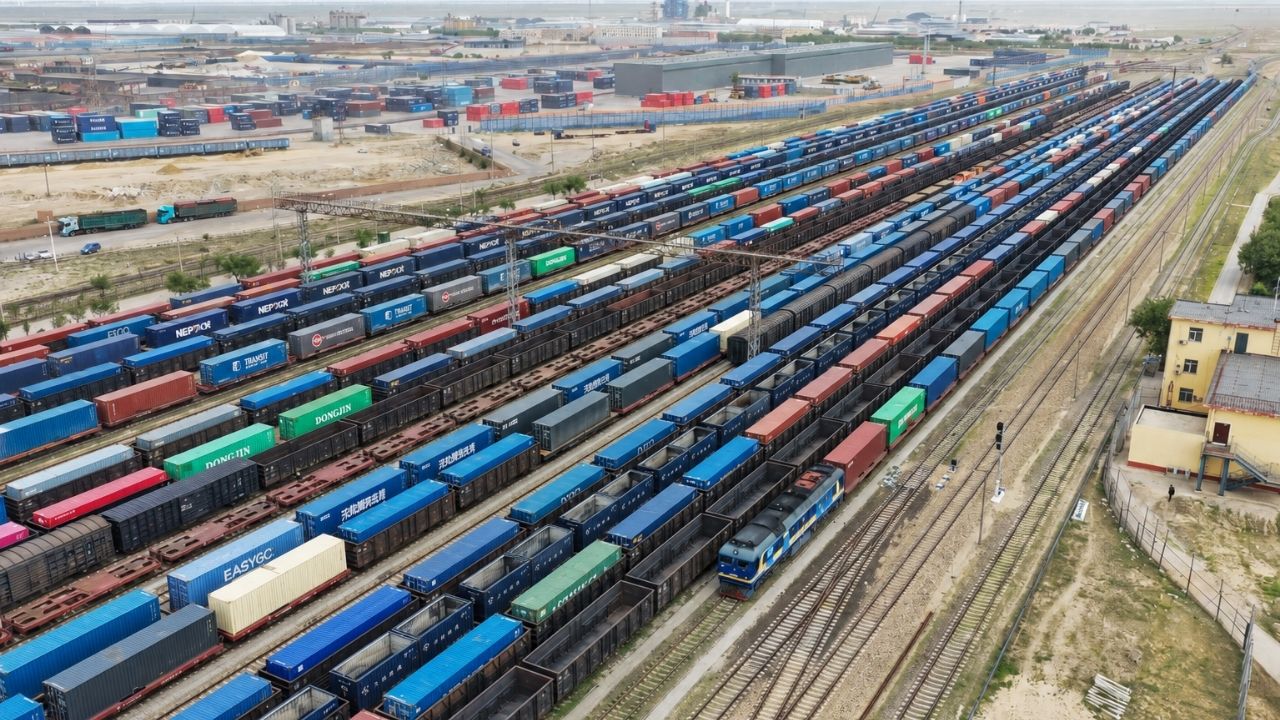
Chinese Rail Port in Inner Mongolia Surpasses 25,000 China-Europe Trains, Connecting 75 Routes Across Over 10 Countries, Showcasing Central Corridor as a Strong Land Alternative to Long Sea Routes


This project will integrate the movement of passengers and cargo along the revitalized banks of the Tietê, Pinheiros, Tamanduateí rivers, among others, transforming the city and offering new alternatives for mobility and tourism.
What Is PlanHidro SP?
PlanHidro SP is a strategic plan that aims to utilize about 180 km of navigable waterways in São Paulo to create an efficient and sustainable water transport system.
Moreover, the project includes urban improvements, such as the construction of river parks, new ecoports, and infrastructure for access to the riverbanks.
According to Via Trolebus, the plan was developed with the support of 18 technical agencies, gathered in an Intersecretarial Working Group.
The initiative has already undergone a public hearing to discuss its guidelines and received contributions from the public and specialists.
The project’s focus goes beyond transportation. It also seeks to create spaces for leisure, culture, and environmental education, transforming the rivers into meeting and socializing points.
Implementation Locations
The division of the waterway system in São Paulo foresees two types of structures: waterways in channels and waterways in reservoirs. Among the locations that will receive waterway transportation are:
- Billings Reservoir
- Guarapiranga Reservoir
- Pinheiros River (upper and lower canal)
- Tietê River (central and eastern canals)
- Tamanduateí River (main canals)
The initial highlight will be the Urban Waterway of the Central Canal of the Tietê River, a 25 km stretch between Cebolão and the Tietê Ecological Park.
Planned Infrastructure
The project includes the construction of:
Seven ecoports: Located in areas such as Vila Boas, Cruzeiro do Sul, and Tiquatira, they will serve both passengers and cargo.
Ten pedestrian bridges: Facilitating integration between both sides of the rivers.
Locks and dredging: To allow safe and efficient navigation along the Tietê River.
Additionally, PlanHidro SP foresees the creation of a nautical sports center, expanding recreational and sports use of the waters.
Costs and Timelines
The implementation of PlanHidro SP will be carried out in phases, with total completion expected by 2034. The initial stretch in the Central Canal of the Tietê River is estimated to cost R$ 1.34 billion and will include 30 vessels.
In the second phase, the waterway will be expanded by 12 km, reaching Itaquera, with four more ecoports and 26 additional vessels. The cost of this expansion is estimated at R$ 1.68 billion.
Overall, the investment in the project demonstrates a commitment to lasting transformation but also raises questions about its financial and operational viability.
Benefits Beyond Mobility
PlanHidro SP is not limited to offering an alternative transportation option. It seeks to redefine the city’s relationship with its rivers, promoting:
Leisure and tourism: The requalification of riverbanks will create areas for walking, events, and socializing.
Environmental education: Awareness projects on river preservation will integrate the community into the new structures.
Economic development: The integration of ecoports with commercial areas could generate jobs and boost local business.
According to Via Trolebus, the cultural and environmental initiatives planned in the project aim to transform the Tietê River into a symbol of sustainability and modernity.
The Impact on the City
The idea of waterway public transport is innovative, but its execution presents significant challenges. The pollution of the rivers, the need for de-pollution, and the adaptation of the surroundings are obstacles to be faced.
However, the expectation is that the project will inspire other Brazilian metropolises to explore sustainable and integrated solutions for urban mobility.
PlanHidro SP represents a bold vision for São Paulo, blending mobility, culture, and environmental preservation.
Is the city ready to embrace this transformation? Could waterway transport become a viable reality in Brazil? Share your opinion!




Temos tudo para isto , se interligar nos os rios , aos reservatórios , vamos melhorar em muito ,a consciência e motivação da população rumo a um futuro sustentável …ótima ideia 💡 tirar do papel e por em prática lógico sem a Corrupção ROTINEIRA DE NOSSA PFIA POLITICA …
Esta é uma ótima ideia ;
Acredito que o rio Tietê vai ficar lindo !!
O próprio ser humano e o que mais joga sujeira no rio depois reclama dos governos que não fazem nada, Deveriam evitar poluir o rio e não ficar jogando monte de garrafa pet, pneus,sofás.
E válido a ideia de ter transporte sobre rio tiete.