






 Portuguese
  Spanish


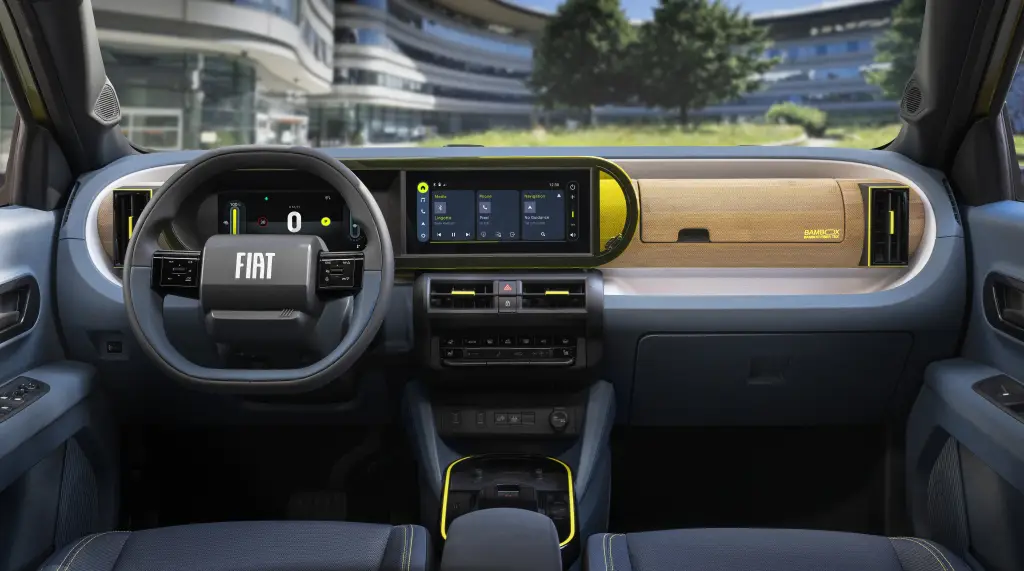
Fiat Promises to Revolutionize the National Market with an Affordable and Innovative Model. With Design Inspired by the Great Panda and the Possibility of Electric Motization, the New Compact Promises to Be the Cheapest of the Brand in Brazil.
Get Ready for the Arrival of a New Model That Could Transform the Brazilian Market.
Fiat, in a bold move, is ready to launch a vehicle that not only aims at the consumer’s wallet but also brings a series of technological and design innovations.
Based on the modern Smart Car platform, this new Fiat compact promises to compete with the Fiat Mobi, being pointed out as the future cheapest car from the manufacturer in Brazil.
-
Uber Black Revamps Fleet, Drops Ten Car Models and Sets Deadline for Electric BYD Dolphin

-
Chinese Giant Uses Metal Structures and Cranes to Deliver Over 700 Electric Cars to Brazil

-
Uber Faces Shareholder Scrutiny as Board Accused of Ignoring Safety, Compliance, and Harassment Warnings Amid Over 3,500 U.S. Lawsuits
-
Ferrari’s First Electric Car Divides Fans, Priced at $630,000, Amid Concerns Over Limited Editions; Brand Clarifies It’s Not Just for Future Perks


What to Expect from the New Model?
According to the Quatro Rodas portal, Fiat’s new car is being developed at the factory in Betim (MG) and is already seen as a future generation of the Argo.
Under the codenames Project 328 and F1H, the compact is part of a family of vehicles that will be built on the same platform as the popular Citroën C3 and Peugeot 208, known for their affordability and versatility.
This platform is the basis for Stellantis’ compacts and, when incorporated by Fiat, represents a significant advance in local production.
The Smart Car platform was designed to accommodate both combustion and electric engines, a strategic choice that allows Fiat to adapt the model for the future as the demand for electric vehicles increases in Brazil.
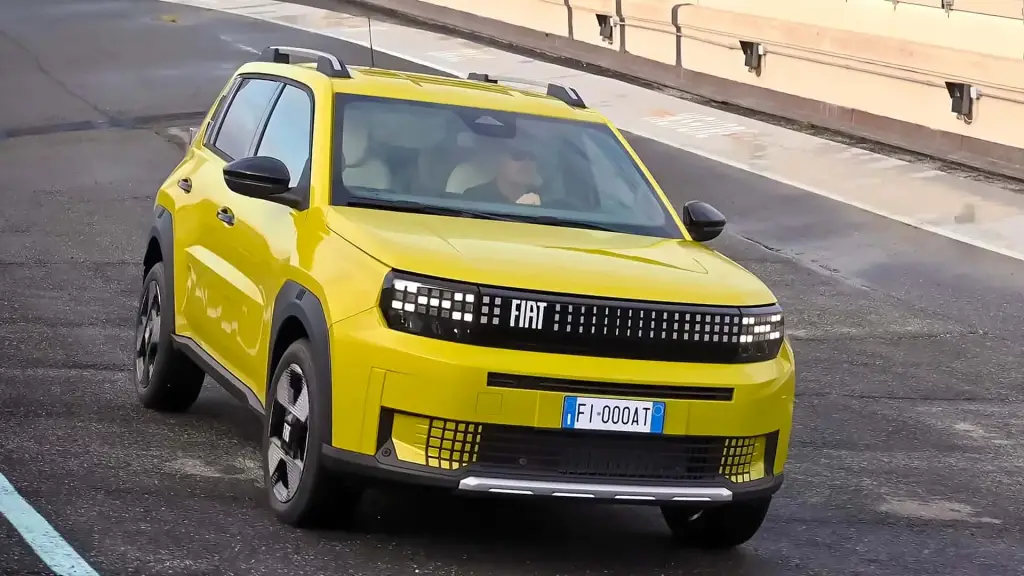
Betim: The Innovation Hub
Fiat’s factory in Betim will be updated to accommodate the new model and its derivatives.
This investment is not only for the production of a compact hatch but also for a new line of vehicles, which will include an SUV inspired by the Citroën Aircross, intended to replace the Fiat Pulse, as well as a coupe SUV that could take the place of the Fiat Fastback.
The bet is ambitious, as it includes even a new double-cabin pickup that, in the long term, could replace the renowned Fiat Strada.
This family of vehicles, expected to be complete by the end of this decade, reflects Fiat’s strategy to expand its presence in the most desired segments of the market.
Design and Differences for the National Market
Although inspired by the European model Great Panda, the design of the national car will have particularities to please the Brazilian public.
Unlike the European Panda, which prominently displays its name on the doors and features LED headlights, the Brazilian version promises a more simplified look with adaptations that better meet local tastes.
There are even speculations about the return of the Uno name, famous for its cost-effectiveness and practicality.
Fiat and the Flexibility of the Smart Car Platform
One of the greatest advantages of the Smart Car platform is its versatility.
In addition to supporting both internal combustion and electric engines, this platform allows for the production of various types of vehicles on the same production line.
The available combustion engines will be the well-known Firefly and GSE turbo, with versions of 1.0 and 1.3, both equipped with a mild hybrid system to improve efficiency.
For the electric models, Fiat is betting on engines ranging from 58 to 113 hp, with batteries that can vary between 29 and 44 kWh.
This range of options is strategic, as it allows Fiat to adjust the product to demand and even to incentive policies for electric cars in Brazil.
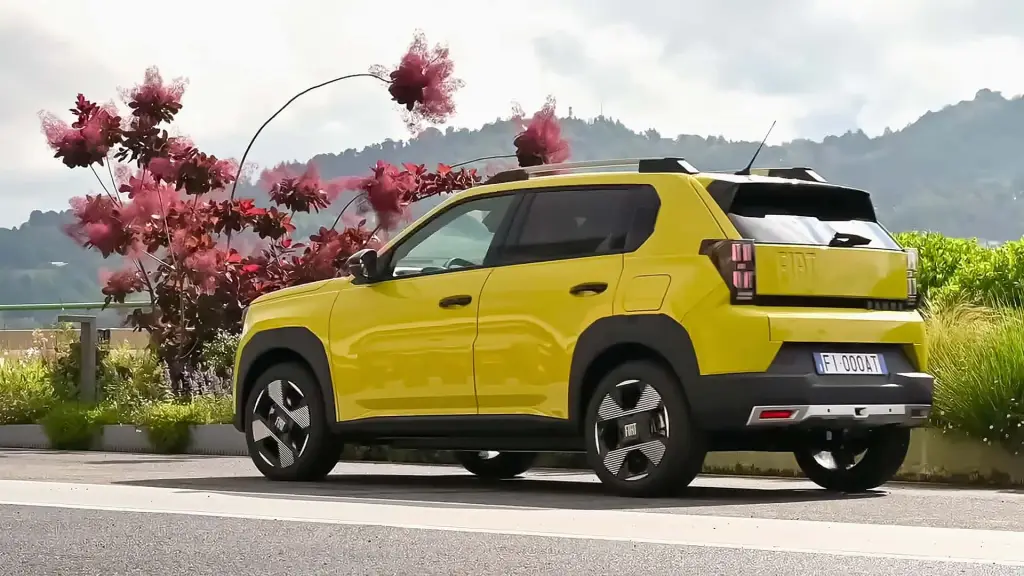
A Look at the Future of Electrification in Brazil
With the changes implemented at the Betim factory, Fiat prepares for a future where electrification will be part of Brazilian consumers’ reality.
The factory, according to Quatro Rodas, is being structured to produce electric motors and assemble batteries locally, which will allow for the manufacture of fully electric vehicles at more competitive prices.
The viability of these models will depend on the infrastructure for electric cars in Brazil, such as the charging network and tax incentives that could reduce production costs and facilitate consumer access to electric vehicles.
Will Fiat’s new car, touted as the cheapest in the country, have the potential to become a sales champion?









Be the first to react!