Portuguese
  Spanish


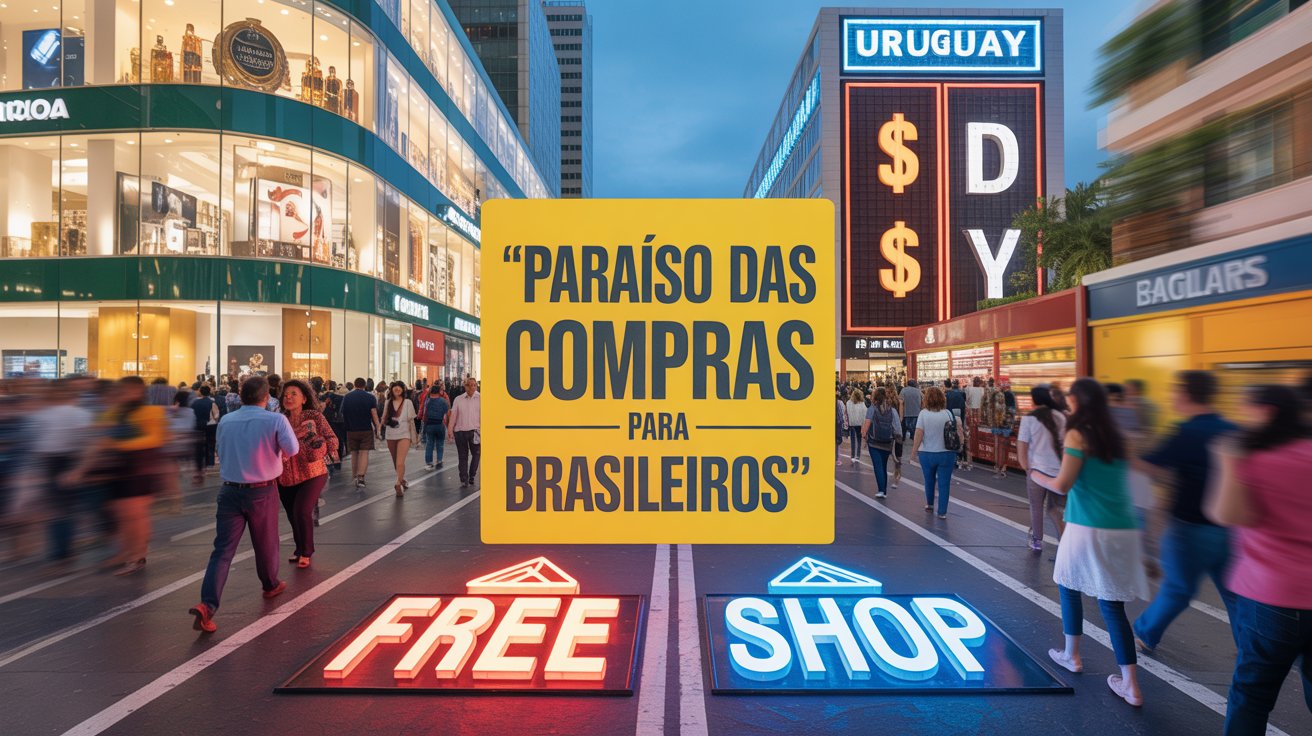


Free Shops In Uruguay Attract More And More Brazilians Looking For Competitive Prices, Original Products With Warranty And Organized Environment, Transforming Rivera And Río Branco Into New Shopping Tourism Poles In South America.
Brazilians Have Expanded The Shopping Map At The Border And Turned Their Attention To The Free Shops In Uruguay, Highlighting Rivera And Río Branco.
The Change Occurs Due To The Combination Of Competitive Prices, The Offer Of Original Products With Proof Of Purchase And Exchange Policies, In Addition To A More Comfortable Service Structure.
While Paraguay Has Consolidated Its Fame For Variety And Low Taxation, Uruguayan Stores Have Gained Space For Retail Standardization And Compliance With Customs Rules, Factors That Increase The Sense Of Security In Purchasing.
-
At 17, she hand-painted her first watercolor design for school uniforms; her brand grew without investors, sold 135,000 pieces, and aims for $3 million in revenue by 2026.

-
Shell Discovers Intact Early 19th-Century Wooden Shipwreck in the Gulf of Mexico at Over 1,300 Meters Deep
-
Brazilian Entrepreneur Turns Door-to-Door Jewelry Sales into a Family Business Empire with Over 70 Stores

-
$75 Million Bridge in Brazil Opens to Connect Cities, Create Jobs, and Cut Travel Time from 30 to 2 Minutes; Spanning 1.24 km, It’s Among the Country’s Largest and Ends Decades of Ferry Queues.




Uruguay Enters The Shopping Tourism Route
In The Uruguayan Border Cities, An International Brand Corridor In Duty-Free Format Has Formed, Aimed Mainly At Serving The Brazilian Public Crossing The Border Through Santana Do Livramento And Jaguarão.
Rivera, For Example, Has Consolidated An Ecosystem Of Electronics, Perfume And Beverage Specialty Stores, With Regular Operations And Fixed Addresses, Which Favors More Aggressive Prices And A More Predictable Shopping Experience.
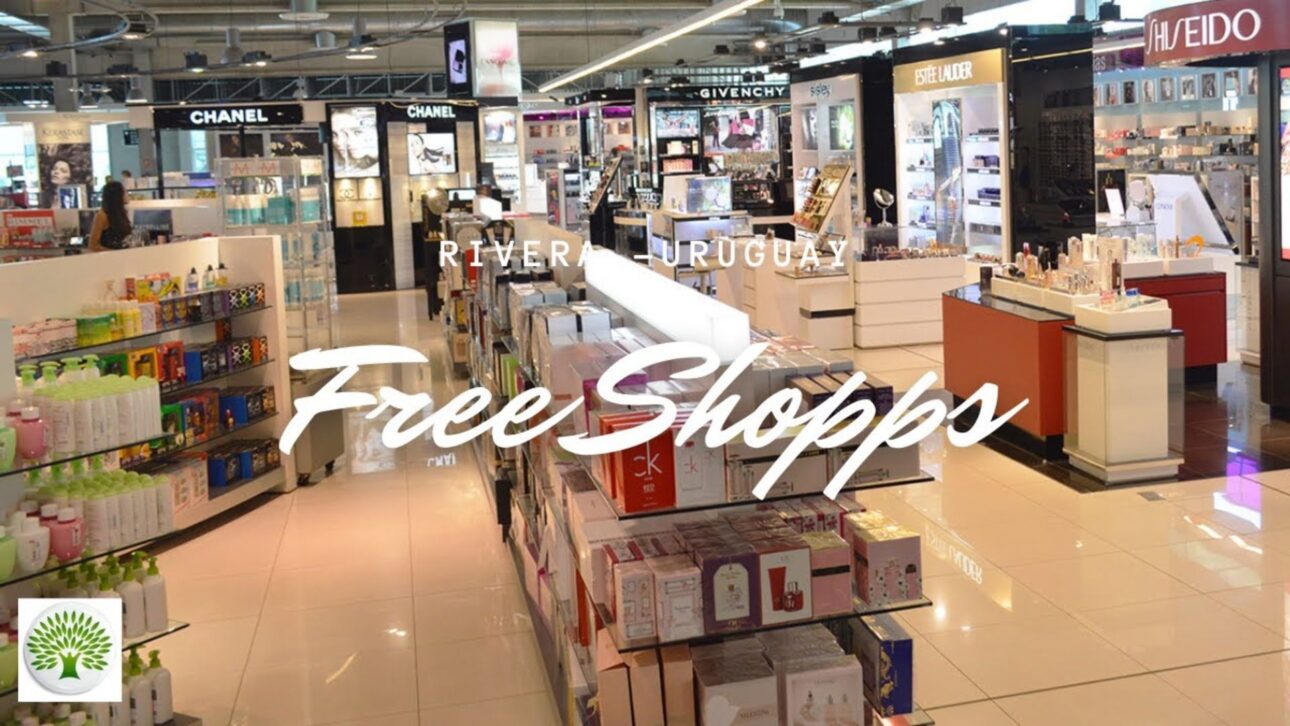
The Region Offers Much More Than Just Showcases, With Tourist Structure And Services That Complement The Consumer’s Journey.
Price With Provenance: The Differential That Attracts
Unlike The Stigma That Still Lingers Over Part Of The Informal Trade At Borders, Uruguayan Free Shops Operate Under A Special Customs Regime Regulated By The Country.
This Translates To The Sale Of Items From Recognized Brands, Accompanied By Proof Of Purchase And Exchange/Warranty Policies Practiced By Each Store Or Manufacturer.
In Rivera, Well-Known Chains Publish Exchange Rules Visible To Consumers, And Some Stores Offer 1-Year Warranty For Certain Products.
For Brazilians Who Want To Save Without Sacrificing Provenance, This Package Has Weighed In On The Decision.
What Sells The Most Off The Shelves
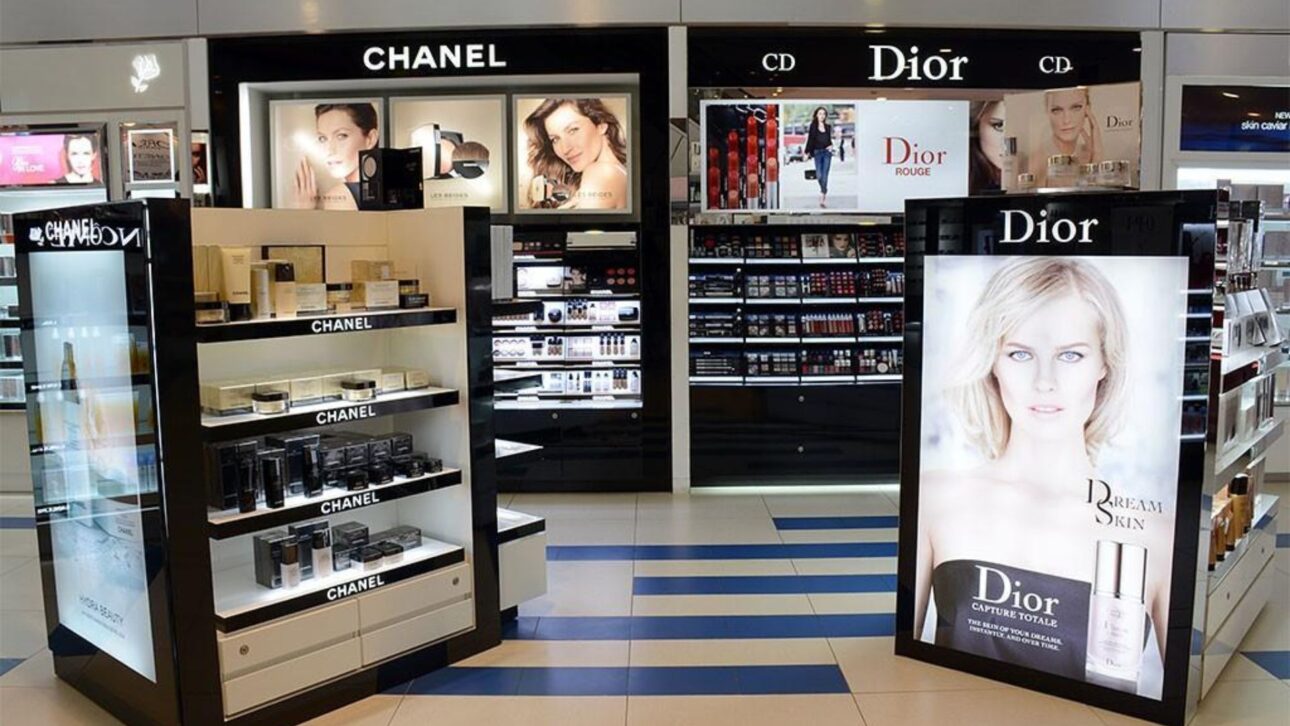
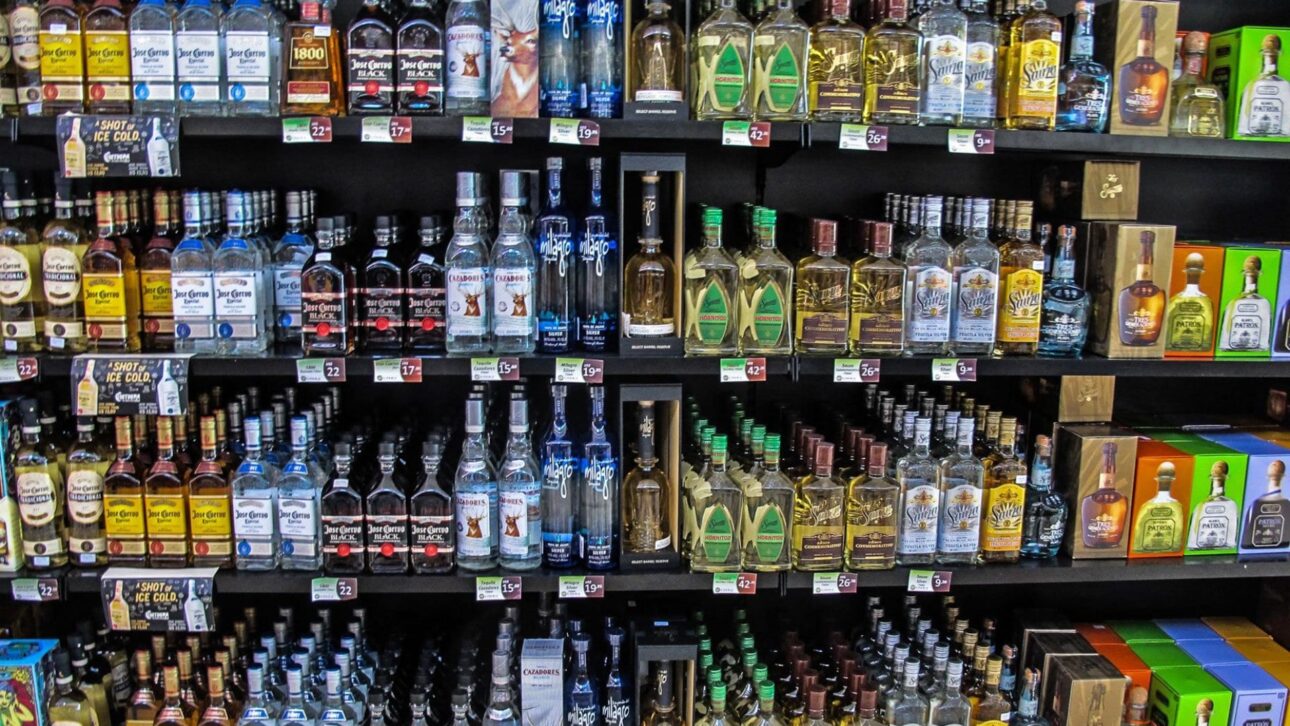
Among The Items With The Greatest Appeal For The Brazilian Public Are Air Conditioners, Portable Electronics, Speakers, As Well As Perfumes, Imported Cosmetics, And Spirits.
The Strength Of The Average Ticket In Electronics, Especially Air Conditioning, Has Become A Trademark Of These Border Markets.
Comfort, Organization And Ancillary Tourism
The Typical Ambience Of Uruguayan Free Shops Resembles Malls, With Air-Conditioned Stores, Standardized Service And Price Communication By Daily Exchange Rates.
For Those Crossing By Car, The Logistics Are Usually Simple, With Integrated Migration Control And Customs Checkpoints In The Commercial Area In Rivera.
The Hotel And Gastronomic Infrastructure Of The Twin Cities Complements The Experience And Helps Sustain The Permanent Movement Of Buyers.
Rules When Returning: Quota, Limits And Proof
For The Return To Brazil By Land, The Exemption Quota Of US$ 500 Per Person Applies, Usable Once Every 30 Days.
Within This Limit, It Is Necessary To Respect Quantity Limits, Such As Up To 12 Liters Of Alcoholic Beverages Per Traveler.
Purchases Above The Value Or Limits Must Be Declared And Are Subject To Taxation On The Excess.
It Is Important To Distinguish: The Additional Quota Of US$ 500 Every 30 Days Applies To Brazilian Duty-Free Stores, Not To Purchases Made In Free Shops In Uruguay.
Keeping Proof Of Purchase Speeds Up The Inspection At The Border.
Paraguay Remains Relevant, But Uruguay Gains Traction
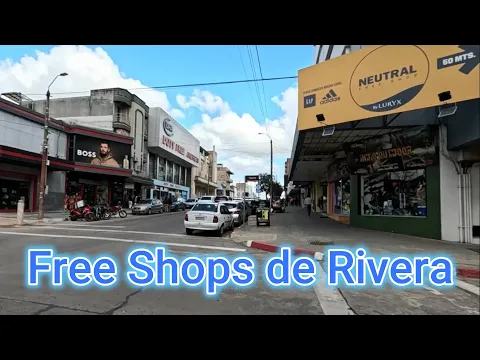

Historically, Paraguay Concentrated The Bulk Of “Shopping Tourism” Due To The Offer Of Prices And Variety.
In Recent Months, However, Uruguayan Free Shops Have Gained Prominence Among Brazilian Consumers, Mainly Due To The Perception Of Originality And Warranty Of The Products, Combined With The Comfort Of Mall-Standard Stores.
This Repositioning Does Not Eliminate The Importance Of Paraguay, But It Explains Why The Uruguayan Route Is Growing Among Those Who Prioritize Formality And After-Sales.
Internal Consumption Gives A Breath To Food Retail
While The Interest In Shopping At The Border Grows, Domestic Consumption Has Also Increased.
In The First Half Of 2025, The Brazilian Household Consumption Indicator From Abras Registered A 2.63% Increase Compared To The Same Period In 2024.
The Result Signals A Gradual Improvement In Families’ Purchasing Power And Helps Contextualize The Appetite For Higher Expenditures, Whether In Food Retail Or At The Border.
Government Incentives Reinforce Purchasing Power
Specific Measures Also Reinforced Liquidity.
On February 27 And 28, 2025, The Government Announced And Published The MP 1.290/2025, Releasing R$ 12 Billion From The FGTS For Dismissed Workers Who Had Joined The Anniversary Withdrawal.
The Payments Began On March 6, With A Limit Per Account Holder And A Two-Stage Schedule.
Still In 2025, The Pé-de-Meia, A Federal Program To Encourage Continued Enrollment In Public High School, Maintained Monthly Payments Of R$ 200 Upon Enrollment And Attendance, In Addition To An Annual Bonus Of R$ 1,000 For Approval.
Trend: Price With Formality And Experience
The Set Of Factors — Aggressive Prices, Provenance, Tax Proof, Exchange/Warranty Policies, Organized Environments And Better Travel Infrastructure — Explains Why Uruguayan Free Shops Are Advancing In The Imagination Of Brazilian Consumers.
With The Quota And Limits In Hand, The Visitor Has Predictability To Compare Values And Decide Where Each Purchase Makes The Most Sense In Their Budget.
In A Scenario Of Recovering Domestic Consumption And Some Cash Flow, The Uruguayan Border Establishes Itself As A Natural Alternative For Those Seeking Bargains With Assurance.
In Light Of This Situation, What Is The Most Decisive Factor For You: Absolute Price, Origin Guarantee Or The Convenience Of The Experience?