





 Portuguese
  English
  Spanish
  4 min of reading


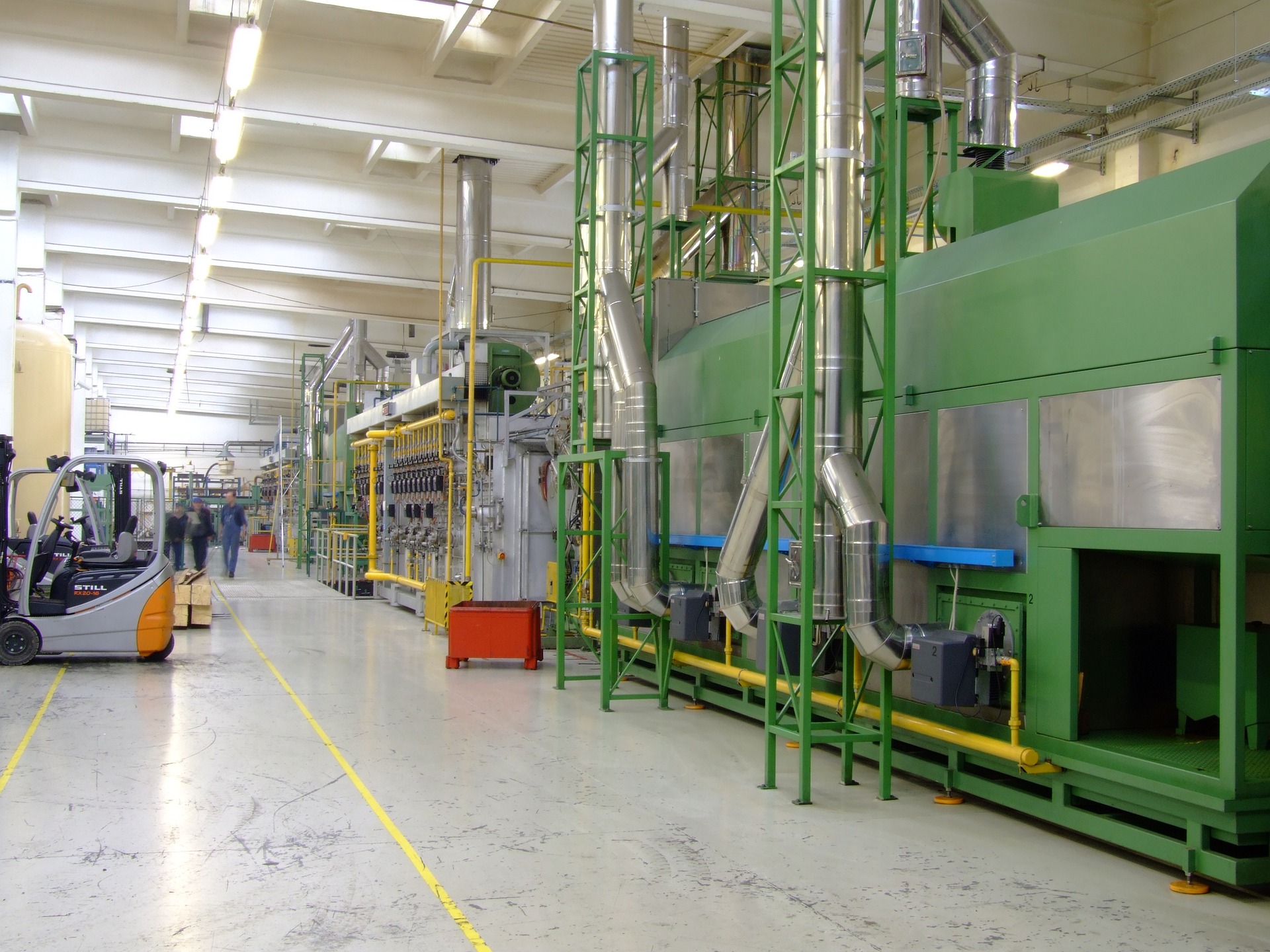
A Lot Is Said And Heard About Industry 4.0 And Digital Transformation In Companies, But This Topic Still Generates Many Discussions And Controversies About What It Really Is, How It Applies In Companies, As Well As The Impacts On Productivity And The Real Benefits It Can Bring To The Market.
Industry 4.0 is actually a concept, a work methodology that, when implemented in companies, allows the integration of all departments of a company, not just engineering, production, and factory areas, but also administrative areas such as purchasing, accounts payable, collections, marketing, maintenance, quality control, and others. This way, the techniques ensure more productivity.
As an engineer by training, currently the Director of a Business Unit in a technology solutions company, Eduardo Lazzuri states: “Throughout my more than 35 years of career, I have had the opportunity to go through and witness the evolution within engineering, going through various transformations, from the drafting board era to the famous 2D AutoCAD, then to parametric modeling, refining and enhancing projects with Structural Analyses through Finite Elements (CAE), integrating the engineering department with the shop floor through CAM and many others.”
This integration happens through various technological solutions that allow the sharing of different documents between departments. These documents are part of some point in the product lifecycle, in English called Product Lifecycle Management (PLM), then moving to invoicing, collections (ERP), remembering that this whole process starts in the commercial department, which uses another type of solution (CRM).
-
Chinese construction companies take on the project to transform the former historic port of Benin into a seaside tourist complex: the project in Ouidah will connect La Marina, a 2 km route, and the Gate of No Return memorial to redesign the African Atlantic coast with global appeal.

-
American city to tear through rock under a creek to build giant sewage tunnel: historic project in Lynchburg will be up to 36 meters below Blackwater Creek, store 17.8 million liters, and promises to cut 98% of polluting overflows by 2027.
-
While the world opens dry channels and routes between two oceans, Brazil is still discussing the railways it promised decades ago.
-
It’s not just China: a giant bridge was built next to the highway and moved into place during a 12-hour operation.




Industry Is Not A Ready-Made Solution That Comes In A Box For Companies That Wish To Reduce Costs And Increase Productivity
It is important to emphasize that Industry 4.0 is not a ready-made solution that comes in a box, you just open it, push a button, and it starts working. This issue is quite delicate, especially in underdeveloped countries, because in recent years we have had a global crisis followed by a pandemic. These two factors caused a very destructive effect on industries, with many layoffs.
Those who were laid off seized the opportunity to open small and medium-sized businesses, which today provide services for the big companies they left, and these new businesses find themselves forced to seek the implementation of Industry 4.0 initiatives, even to comply with a supplier certification process with large companies.
The increase in information and knowledge from these solutions, technologies, and processes has grown enormously. It is worth noting that reaching the level of Industry 4.0 within a company is a daunting task and takes considerable time; it is a collaborative effort, and the company has a huge responsibility to achieve success.
Consultancies and solution providers can determine which solutions meet the needs of each company, create an implementation project, train the people involved in the process, but if the company and the people do not change their processes and accept the paradigm shift, there is no implementation project that will achieve the desired success.
That’s right, it is indeed a paradigm shift, and people, not wanting to leave their comfort zones, end up sabotaging the entire process.
Industry 4.0 Can Reduce Project Costs By 50%, Says Eduardo Lazzuri
Many companies find it hard to believe that this path is irreversible, and those who do not take this route soon will no longer be on the road. We have several cases of companies that adopted Industry 4.0 initiatives, and right in the first year of implementation, they achieved fantastic indicators, as some reports I cite below:
- Productivity increase of the team by 200% since the beginning of the pilot project;
- Reduction of direct costs in project development by about 50%;
- Resource savings, reducing timelines and risks;
- Reliability and centralization of information.
These incredible indicators are practically the same across all types of industry, with percentages varying depending on the sector of activity.
But, What Is The Main Factor That Allows Industry 4.0 To Provide So Many Benefits To A Company?
It can be said that the main pillar is the sharing of information in a structured, organized, simple, and fast way within all teams involved in the lifecycle of the product, from its inception in the sales area, until the product is delivered to the customer and in operation.
When this happens, all those involved can quickly access the necessary information; there is only one single source of truth, and the company’s intellectual property is preserved within the company, processes do not depend on picking up the phone and trying to talk to people, sending a WhatsApp and waiting for a response, sending an email that may not be read right away, and being uncertain if the information is the most accurate, reflecting the reality of the process.
There are tools that allow monitoring of each step of the process at any moment, enabling decision-making, improvements, and corrections still in the development phase.
A project can be visualized, analyzed, experimented with, and tested entirely within a virtual environment, without the need to invest a cent in raw material, manufacturing time, machine operation, and man-hours on the shop floor.
In conclusion, the advent of Industry 4.0 brings enormous benefits to the industry, provided that it is well structured and planned. A few years ago, there were many doubts and uncertainties, but those who took the first steps now enjoy benefits that create tremendous advantages when positioning themselves in the market.
Certainly, this is an inevitable and irreversible path that will continue to evolve; the next step will be to integrate Industry 4.0 with the metaverse.






Be the first to react!