






 Portuguese
  Spanish


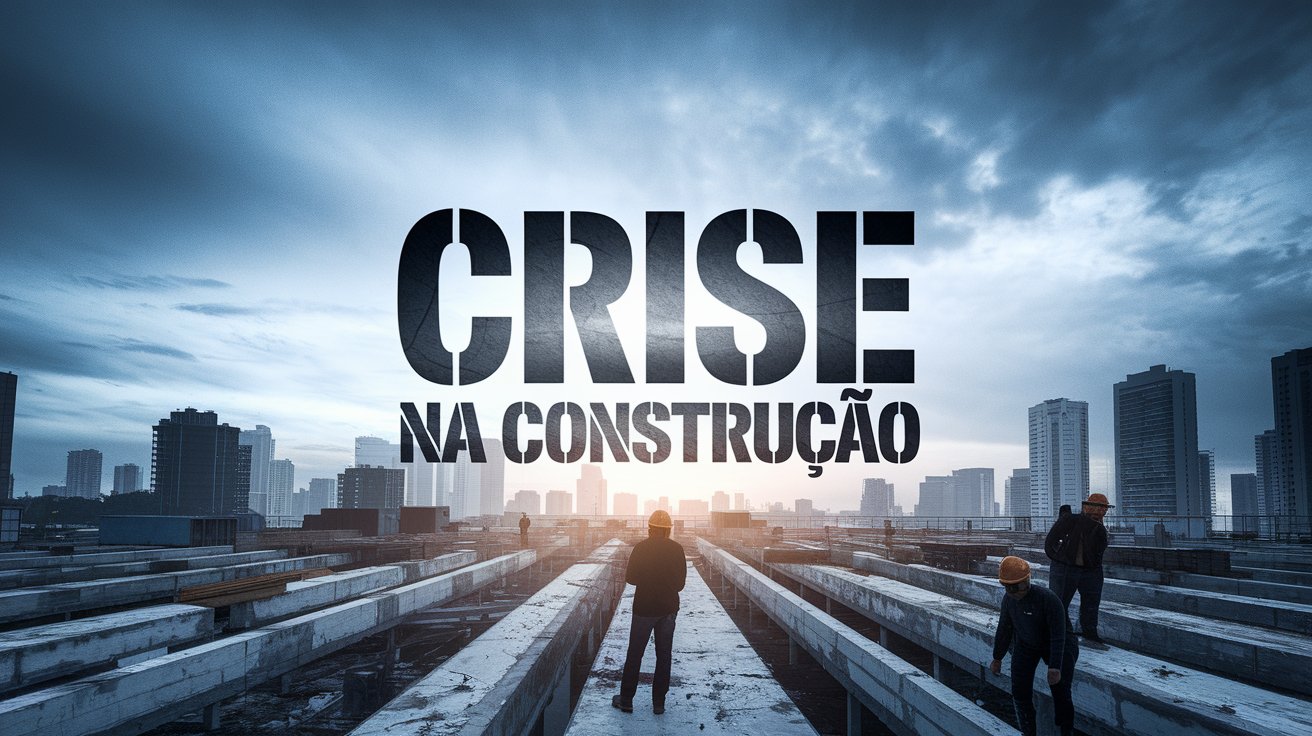

The Construction Industry Faces a Critical Challenge: The Lack of Skilled Labor Has Driven Costs to Alarming Levels, Pressuring Companies and Consumers. The Scenario, Driven by Economic and Structural Factors, May Affect Projects Across the Country in the Coming Months.
Skilled Labor Shortage Reaches Record Levels and Drives Up Construction Costs in Brazil, Reports FGV Survey.
The construction industry in Brazil is experiencing a moment of pressure and uncertainty, driven by the skilled labor shortage, which reached its highest level in March 2025 since October 2012.
According to the Construction Survey, conducted by the Brazilian Institute of Economics of the Getulio Vargas Foundation (FGV IBRE), 82% of companies report difficulty in hiring new professionals — a warning that rekindles the debate on technical training and retention challenges in the sector.
-
Brazilian Startup Turns Coffee Grounds into Plant-Based Leather, Cutting Water Use by Over 50 Times for High-Impact Sustainable Fashion

-
Eco Invest Auction Aims to Unlock $10 Billion in Investments, Focusing on Green Fertilizers, Critical Minerals, Batteries, and AI for Clean Industry in Brazil

-
Affordable Housing Project in Brazil’s Mato Grosso Aims for 700 Deliveries and $34 Million in 2026, Outpacing Major Developers in High-Demand Areas

-
Brazil’s Largest Port to Accommodate Bigger Ships by October as Ibama Approves Non-Explosive Removal of Hidden Rocks and Sediments


The current scenario reveals a difficult equation to solve: on one side, demand for professionals is growing, driven by public and private projects gaining momentum in various regions of the country.
On the other hand, the supply of skilled workers does not keep pace, which has raised not only labor costs but the entire production process.
Professionals Are in Short Supply in the Market
The problem is even more severe in specialized service areas, such as electrical, plumbing, and finishing work.
According to FGV IBRE, 70% of companies in this sector report they cannot find available workers — the highest percentage recorded since the beginning of the historical series in July 2010.
For Ana Maria Castelo, coordinator of Construction Projects at FGV, the scenario reflects a pessimistic start to the year for the sector.
She emphasizes that the combination of labor scarcity, more expensive credit, and economic activity slowdown constitutes a “cocktail” that hinders investment growth in the area.
However, there are signs that hiring should resume over the semester, which may generate even more pressure on the labor market.
Construction Inflation Soars
In addition to the difficulty of hiring, the sector faces a significant increase in costs.
Construction inflation accumulated over 12 months reached 7.32%, nearly double the rate recorded in March 2024, which had been 3.29%.
The largest impact came specifically from labor, which registered a rise of 9.5%, surpassing increases in inputs and materials, which saw a variation of 5.9%.
This data reinforces how the shortage of workers has directly affected project prices, raising budgets and complicating project execution, especially in the residential and infrastructure sectors.
São Paulo Faces an Even More Critical Scenario
The situation worsens when analyzed at the regional level.
In São Paulo, the main hub of the construction industry in the country, the Construction Cost Index (ICC-SP) rose 8.08% over the last 12 months, while the labor-related component increased by 10.49%.
In the same period of 2024, the percentages were 3.61% for ICC-SP and 3.29% for Brazil.
According to the Union of the Construction Industry of the State of São Paulo (SindusCon-SP), the causes are linked to the strong interest rate shock that began in 2024, combined with uncertainties in the global macroeconomic landscape, such as the war in Ukraine, instability in commodity prices, and the recent appreciation of the dollar, which directly affects the costs of imported inputs.
Technical Training and Professional Valorization Under Debate
In light of this panorama, the need to invest in workforce qualification becomes urgent.
Although Brazil has several technical and vocational education institutions, such as SENAI, the sector’s demand exceeds the current training capacity.
A survey by the Brazilian Chamber of the Construction Industry (CBIC), updated in February 2025, estimates that the country needs around 350,000 new skilled professionals by the end of the year to meet the demands for public works, affordable housing, and private ventures.
Without this, the bottleneck is likely to worsen.
Experts also point out that the low attractiveness of the profession among young people is another obstacle.
Modest salaries, difficult working conditions, and the lack of career plans deter new talent from the construction industry.
Government incentives and partnerships with private companies are alternatives being considered to mitigate the problem.
Economic Indicators Pressure the Sector
The most recent data also indicate a timid recovery of economic activity, which may further fuel the demand for construction.
According to the Central Bank’s Focus Bulletin, the expectation for GDP growth in 2025 rose to 1.9%, driven by sectors such as agribusiness and infrastructure.
This should intensify the demand for labor in an already cost-pressured scenario.
Additionally, the basic interest rate (Selic) remains high, currently at 10.75%, which raises the cost of mortgage credit and complicates financing for large projects.
This directly impacts small and medium builders, who see their projects delayed or resized.
How the Survey Was Conducted
The Construction Survey by FGV IBRE was conducted with 656 sector companies, located in seven Brazilian capitals: Belo Horizonte, Brasília, Porto Alegre, Recife, Salvador, Rio de Janeiro, and São Paulo.
The collected data reflect not only the current market conditions but also expectations for the coming months.
The survey is one of the main sources of analysis on the behavior of the sector in the country and serves as a reference for governments, companies, and investors operating in the infrastructure and housing areas.
A Warning for the Future of Construction in Brazil
The current scenario of the construction industry in Brazil is concerning, but also full of opportunities.
The labor shortage, if managed well, can stimulate investments in technical education, professional appreciation, and modernization of production processes, such as modular construction and the use of technologies like BIM (Building Information Modeling).
As highlighted by journalist Ana Maria Castelo from FGV, the moment demands heightened attention from public managers and entrepreneurs.
The combination of high credit costs, rising inflation, and the lack of professionals may stifle the development of a sector vital to the Brazilian economy.
And you, do you believe that Brazil is prepared to face this skilled labor blackout in construction? Share your opinion in the comments and share your experience!





O Brasil sempre está preparado para enfrentar esse apagão de mão de obra. Agora cabe as Empresas a valorização dos funcionários, cabe a gestão das Empresas não ficar indicando pessoas sem experiência para não sobrecarregar os funcionários que são desvalorizados, na construção civil o dia a dia dos funcionários são precários, locais sem uma estrutura que médias e pequenas empresas não fazem para os funcionários, péssima alimentação. E de acordo vai evoluindo as coisas vai sempre existir a migração de profissionais para outras funções. Infelizmente essa é a realidade e pode ter ainda mais.