






 Portuguese
  Spanish


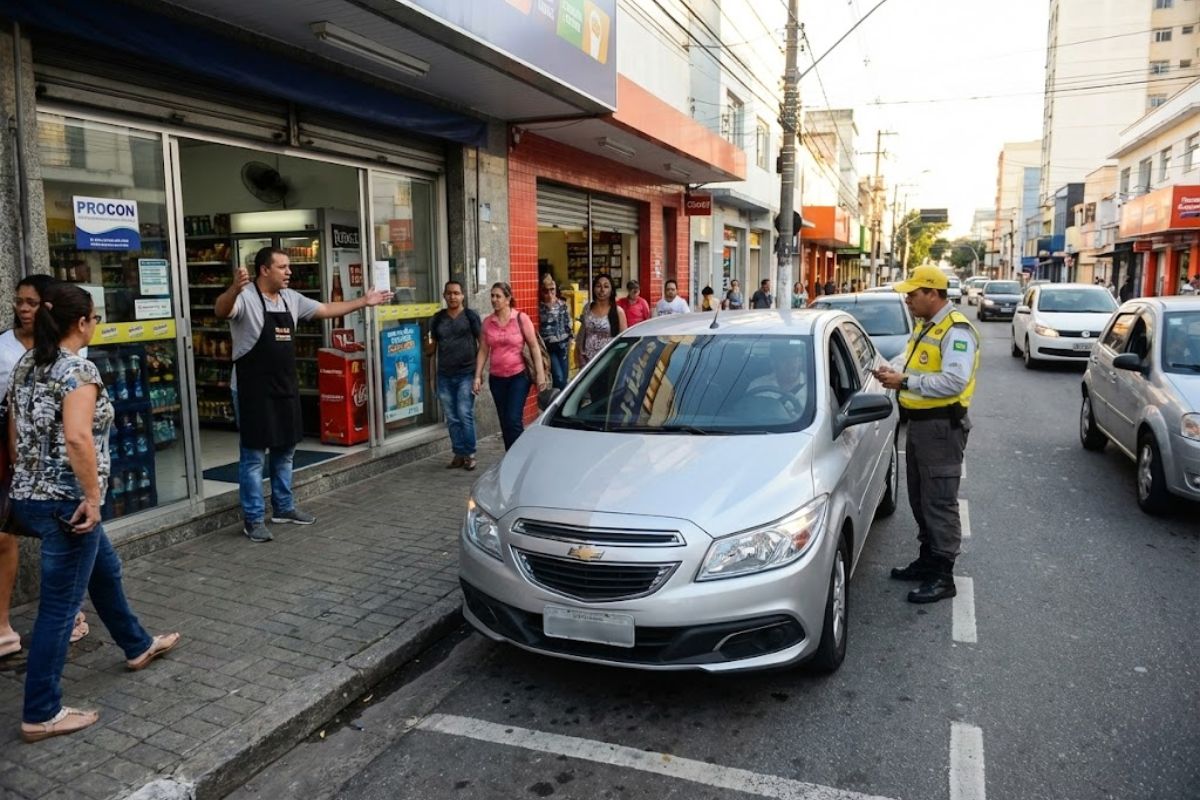

Procon Guidance in João Pessoa, Paraíba Clarifies That Parking in Front of Businesses Is Allowed When the Spot Is Part of Public Road, Even with a Lowered Curb, and Without Prohibitive Signage, It Does Not Authorize Fines, Towing, or Private Charges, Except for Specific Legal Exceptions for Drivers, Merchants, and Municipal Urban Inspection
Parking in Front of Businesses does not incur a fine or authorize towing when the spot is located on a public road without prohibitive signage. This clarification was made in João Pessoa, Paraíba, by Procon, in response to recurring doubts from drivers who face harassment when stopping in front of commercial establishments.
The guidance reinforces that, even in cases of lowered curbs, the space remains public.
Thus, parking in front of businesses is a right of any driver, provided the vehicle is parked correctly and does not violate other traffic regulations.
-
Germany Changes Noise Regulations, Extending Quiet Hours Beyond 10 PM

-
Judge Labels Noise as “True Torture,” Orders Neighbor to Pay $3,800 After Sounds Worsen Autistic Teen’s Condition
-
“Man with Bipolar Disorder Claims ChatGPT Exacerbated Delusions, Leading to Suicide Attempt”
-
U.S. House Approves Bill to Protect Children on Social Media, Limit Addictive Features, and Demand New Measures from Platforms, But Senate Differences Could Stall Progress




Where the Rule Was Clarified and Why It Generated Debate
The positioning was presented by Procon of João Pessoa, the capital of Paraíba, during a public interview to clarify frequent conflicts between merchants and drivers.
The practice of attempting to prevent parking in front of stores has become common in various cities, generating discussions and undue charges.
According to the local Procon, parking in front of businesses on public roads cannot be treated as the exclusive use of the merchant.
The spot belongs to the urban space and cannot be commercially exploited by those occupying the property.
Lowered Curbs Do Not Change the Rule of Public Roads
One of the points that generates the most confusion involves lowered curbs.
The Procon’s understanding is straightforward: even with a lowered curb, the spot remains public.
This means that parking in front of businesses under these conditions does not authorize fines, charges, or towing.
The only requirement is that the vehicle is parked correctly, without blocking pedestrian passage, regulated access ramps, or other situations provided in the Traffic Code.
Charges, Fines, and Towing Have No Legal Basis
According to Procon in João Pessoa, there is no legal basis for merchants to charge fees, impose informal fines, or request towing when someone decides to park in front of businesses on a regular public road.
Attempts to intimidate, improvised notices, or demands for consumption to free the spot are considered irregular practices, with no support in traffic laws or consumer protection legislation.
Specific Exceptions and When Reservations Are Allowed
There are specific exceptions defined by law.
Health establishments, such as hospitals, clinics, and pharmacies, may reserve spots due to the essential service provided, provided they comply with local rules.
Outside of these situations, parking in front of businesses remains permitted, and reserving spots on lowered curbs is considered irregular when done without public authority authorization.
What the Traffic Code Says About the Practice
The Brazilian Traffic Code establishes that only traffic agencies can regulate, signal, and reserve spots on public roads.
Objects such as cones, chains, tires, or improvised signs are considered irregular demarcation.
Additionally, obstacles placed on the street can pose safety risks.
Therefore, preventing someone from parking in front of businesses on their own can result in fines for the merchant, not the driver.
In your city, do merchants still try to prevent drivers from parking in front of businesses, or is this rule already respected in daily life?


