






 Portuguese
  Spanish


Trump Sued by Democratic States After Suspending Wind Energy Projects, Decision Which, According to Prosecutors, Violates Laws, Threatens Billion-Dollar Investments and Compromises the Energy Transition.
Attorneys General from 17 Democratic States and the District of Columbia filed a lawsuit on Monday, 5, challenging former President Donald Trump’s decision to indefinitely suspend new permits and leases for wind energy projects in the United States. The measure, announced on the first day of his new term, has generated strong political and legal backlash, especially from the States that invest the most in renewable sources.
The lawsuit, led by New York and filed in the federal court in Boston, claims that Trump’s suspension threatens to paralyze the wind sector—one of the most dynamic areas of the American energy matrix—and violates various legal norms by being implemented without clear justifications and without public consultation.
Trump’s Measure Generates Immediate Reactions from Democratic States
In justifying the action, New York Attorney General Letitia James was emphatic:
-
Brazil filled the Northeast with wind turbines but now faces the side effect of 705 giant blades reaching the end of their lifespan by 2032 just in Rio Grande do Norte, while the world projects 43 million tons of waste by 2050.

-
Brazil has filled the Northeast with wind turbines, but now it faces the side effect of 705 giant blades reaching the end of their useful life by 2032 just in Rio Grande do Norte, while the world projects 43 million tons of waste by 2050.
-
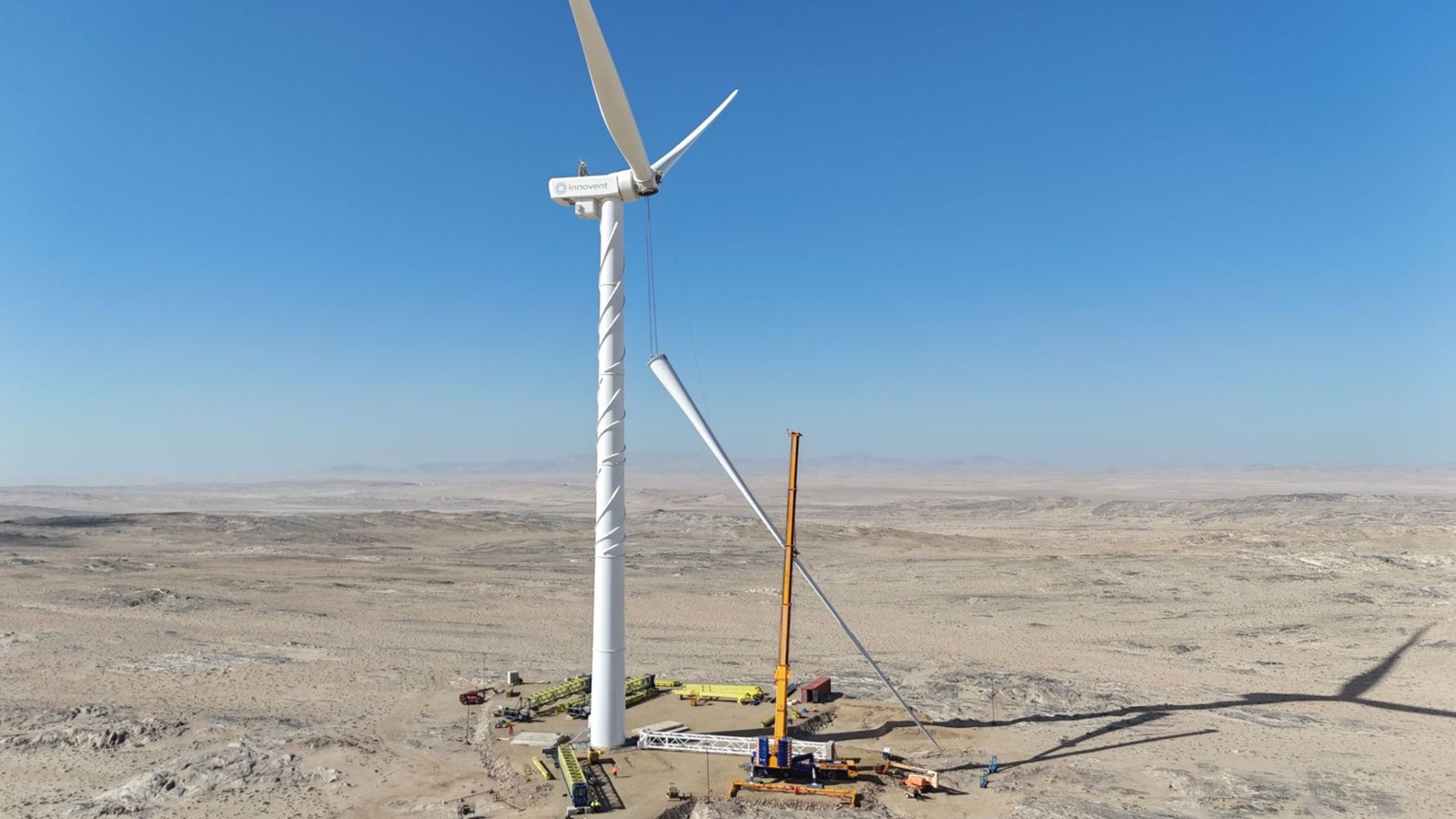
Wind farm in Namibia will have wind turbines assembled without giant cranes and is expected to avoid 200,000 tons of carbon dioxide per year when it becomes operational.

-
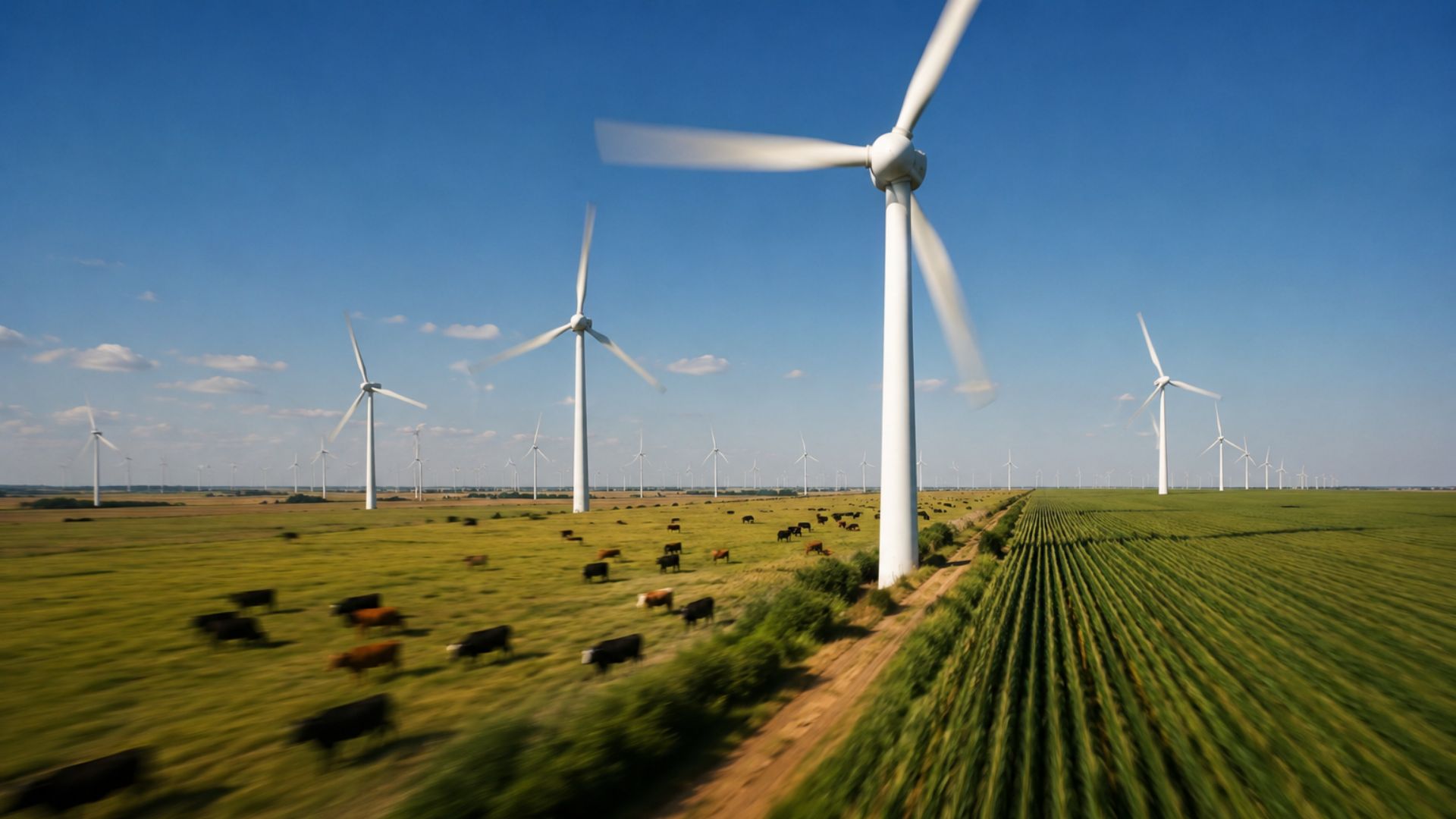
Taller than the Statue of Liberty, thousands of wind turbines are being planted in the middle of U.S. fields, creating two-story farms where corn and soybeans grow below while the wind turns into electricity above.


“This administration is devastating one of the fastest-growing sources of clean, reliable, and affordable energy in our country,” she stated, highlighting the negative impact of the measure on the environment and the green economy.
At the center of the dispute are Democratic States that have been leading decarbonization initiatives and sustainable development.
According to the lawsuit, the presidential memorandum published by Trump on January 20, 2025, did not present any technical studies, economic arguments, or environmental assessments to justify the total suspension of licenses and leases for wind projects—both onshore and offshore.
Wind Energy in Jeopardy: Investments at Risk
The States argue that the suspension puts billions of dollars already invested in wind infrastructure at risk, including projects like Empire Wind, located off the coast of New York and operated by a unit of the Norwegian company Equinor.
Following Trump’s memorandum, the Department of the Interior ordered the suspension of construction on the project, reinforcing the practical effects of the new directive.
Furthermore, the lawsuit points out that federal agencies such as the Department of Commerce, the Department of the Interior, and the Environmental Protection Agency (EPA) acted beyond their competencies by implementing a policy that, according to the States, was not authorized by Congress.
For the attorneys, the decision breaks with a historical policy of promoting the development of wind energy without presenting evidence of new environmental risks that would justify such a setback.
White House Rebuts Accusations and Defends Fossil Fuel Production
On the other side of the dispute, the White House reacted with criticism. Presidential spokesperson Taylor Rogers stated that the attorneys general are trying to “use the law to impede the president’s popular energy agenda.”
She added that Americans voted for Trump to “restore U.S. energy dominance” and that “Americans in blue States shouldn’t pay the price for the radical climate agenda of the Democrats.”
The new directive also reflects Trump’s commitment to the fossil fuel sector.
During his campaign, the former president promised to eliminate offshore wind energy projects, arguing that they are expensive, inefficient, and harmful to whales and birds.
“They ruin their beautiful landscapes,” he declared as he resumed his anti-wind discourse, now institutionalized by his administration.







