Portuguese
  Spanish




Toyota Prius Gained Space in Brazil with Efficient Hybrid Engine, Comfort, Economy, and Tax Incentives, Reinforcing Its Image as an Icon of Automotive Technology
Sensation car in the United States, the Toyota Prius became synonymous with efficiency and technology. The hybrid model won millions of consumers and even the Car of the Year award in North America with its fifth generation.
In Brazil, the journey began in 2012, when the third generation was presented at the Auto Show and soon started to appear in the fleets of taxis in major capitals.
Icon of Efficiency
The Prius stood out for its mechanical set. The third generation combined a 1.8 gasoline engine, Atkinson cycle, with 99 hp, and an electric motor.
-
Chevrolet’s Parent Company to Invest Billions in Brazil to Modernize Factories, Update Cars, and Accelerate Hybrid Launch by 2028

-
Practical Driving Tests in Brazil Surge by 23.5%, Exceeding 2.2 Million by 2026, as New Rules Make the Process Cheaper and Simpler
-
Brazil’s Lula Government Allocates $463 Million Quota for Electric Car Parts, Waives Import Tax Until December, Sparking Competition Among BYD, Automakers, and Unions as Consumers Question Impact on Prices and Local Industry

-
Thinking of Installing LED Headlights? Why Replacing Halogen Bulbs is Still Banned, the Glare Risks Authorities Worry About, and How a New Proposal Could Allow Certified, Safe Installations


In total, there were 138 hp delivered to the front axle by a eCVT that also housed two electric motors.
In practice, this architecture made a difference because the car showed superior economy compared to conventional models, especially in urban use.
In these conditions, the more powerful electric motor took over while there was charge in the battery. Another relevant point is that there was no need to charge the vehicle at the outlet.
The battery was recharged by the combustion engine itself, through energy regeneration function during braking or with engine braking.
Furthermore, the EV mode allowed driving only on the electric motor for up to two kilometers, which further reinforced the economy proposal.
Comfort and Space
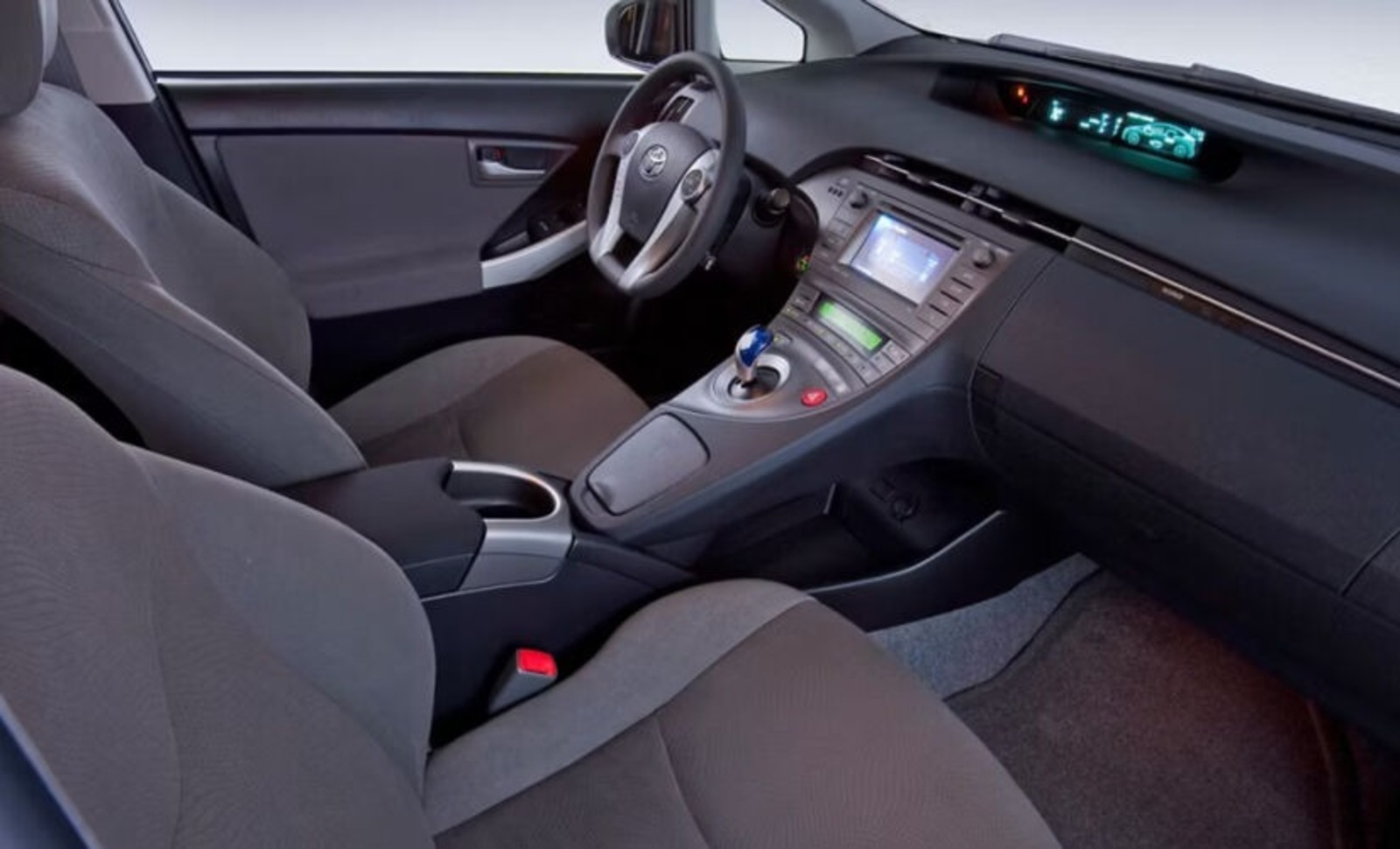
With a wheelbase of 2.70 meters, the Prius accommodated five occupants and offered a trunk of 445 liters.
In addition to the space, the equipment package was impressive: seven airbags, digital air conditioning, leather seats, cruise control, multimedia center with rear camera, JBL sound, and even a head-up display.
Evolution in 2016
The fourth generation arrived in Brazil in 2016. Larger, lower, and with a controversial design, it brought the global TNGA platform and a combined power of 123 hp.
This update reinforced the role of electric motors and ensured greater prominence for the model in the market, until the arrival of the Corolla Hybrid with the same mechanical set.
The Prius proved to be more economical and even cheaper than several renowned competitors, maintaining its image as an icon among hybrids.
Toyota Prius: Values and Incentives
The price also attracts buyers. According to the FIPE table, the 2012 Toyota Prius is valued at R$ 48,966.
Additionally, there are significant financial advantages. In São Paulo, the vehicle has an exemption from the traffic restriction and a 50% discount on IPVA, according to the Quatro Rodas portal.
Therefore, the Prius remains an attractive option as it combines efficiency, technology, and economic benefits, showing why it continues to stand out in the market.
With information from Gazeta de São Paulo.