Portuguese
  Spanish




UFRRJ Professor Warns That The Country Needs To Balance Sovereignty And Foreign Investment To Avoid Social And Environmental Risks
The control of rural land ownership by foreigners has returned to the spotlight in Brazil. The debate gained momentum with Law No. 5,709, of October 7, 1971, which restricts the purchase of rural properties by foreigners. The legislation, created to protect national sovereignty, is back on the agenda after new interpretations and academic discussions regarding its update.
Economist and Sociologist Sérgio Pereira Leite, a professor at the Federal Rural University of Rio de Janeiro (UFRRJ), explains that the law still plays an essential role, but can be improved. In September 2024, in an interview with Consultor Jurídico magazine (ConJur), he stated that Brazil can allow foreign capital participation, as long as it respects legal limits. According to him, it is possible to create new investment models without transferring property ownership to international companies.


Leite argues that the Brazilian state is right to maintain strict rules on land acquisition. This conduct, according to him, protects the country from negative social and economic effects. Furthermore, it prevents land concentration, ensures food security, and prevents forced displacement of traditional communities. The professor emphasizes that any opening to international capital needs to be evaluated cautiously, prioritizing national interest and environmental balance.
-
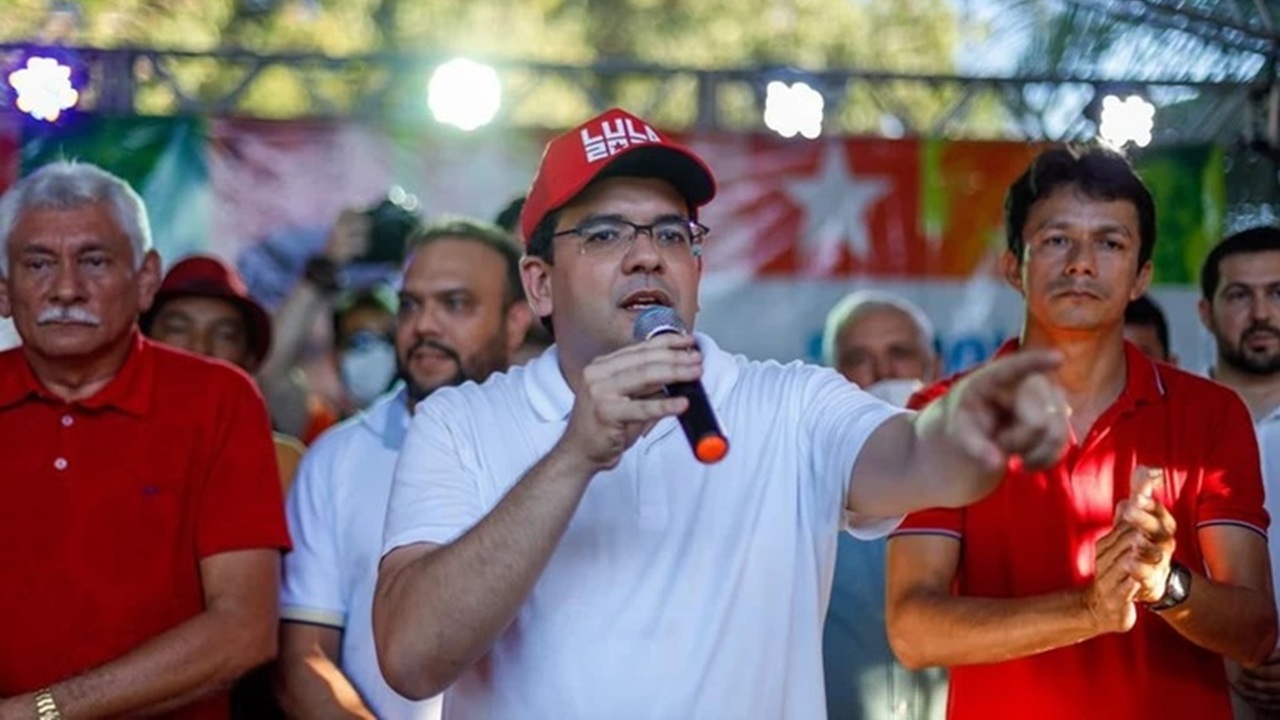
Piauí Governor Enacts Law Requiring State Contractors to Reserve Jobs for Former Inmates with Minimum Wage and Verification Before Payment

-
Providing Your Tax ID at Supermarkets: A Routine Step That Can Unlock Discounts and Rewards but Also Reveals Your Shopping Habits

-
Germany Changes Noise Regulations, Extending Quiet Hours Beyond 10 PM
-
Judge Labels Noise as “True Torture,” Orders Neighbor to Pay $3,800 After Sounds Worsen Autistic Teen’s Condition


Risk Of Loss of Sovereignty And Environmental Impact
The professor warned that loosening the rules of Law 5,709 could open loopholes for indirect control of Brazilian lands. This risk increases with the advance of agribusiness and the global interest in natural resources. He stated that it is necessary to protect the territory from speculative practices, ensuring oversight and sustainable land use.
Moreover, the debate gained prominence with the approach of COP-30, which will take place in Belém (PA), in 2025. The event will bring together world leaders to discuss climate change and environmental preservation. According to Leite, Brazil needs to strengthen its control mechanisms and assess the environmental impacts of foreign investments. This way, the country attracts sustainable capital and preserves territorial sovereignty.
Debate Rekindled Amid Global Pressure
Leite’s statements were made during the International Symposium on Property and Foreigners, held at the Law School of the University of São Paulo (USP) from September 29 to 30, 2024. During the event, he highlighted that land regulation is a matter of national defense. For the professor, Law 5,709 protects Brazilian territory and prevents international corporations from controlling the land.
He argued that any revision of the law should occur transparently, with well-defined technical and environmental criteria. Thus, Brazil can attract productive and sustainable investments, without compromising the integrity of national territory. Leite also stated that land regulation is essential for balancing sovereignty and economic development.
Paths To A Strategic Balance
The professor emphasized that Brazil needs to balance economic opening and territorial security. He believes that Law 5,709 should continue to act as a legal shield against foreign land speculation. At the same time, the country can encourage productive partnerships, as long as they fall within national regulations and with effective oversight.
Thus, the debate about foreign control of land remains one of the most sensitive topics on the political agenda. With COP-30 approaching, expectations grow that Brazil will establish new guidelines for land use. The challenge is to reconcile sovereignty, sustainability, and social inclusion, without yielding to the pressure of large international investors.
And you? Do you believe that Brazil should open space for foreign capital to invest in its land or maintain strict control to protect its sovereignty and the environment?