Portuguese
  Spanish


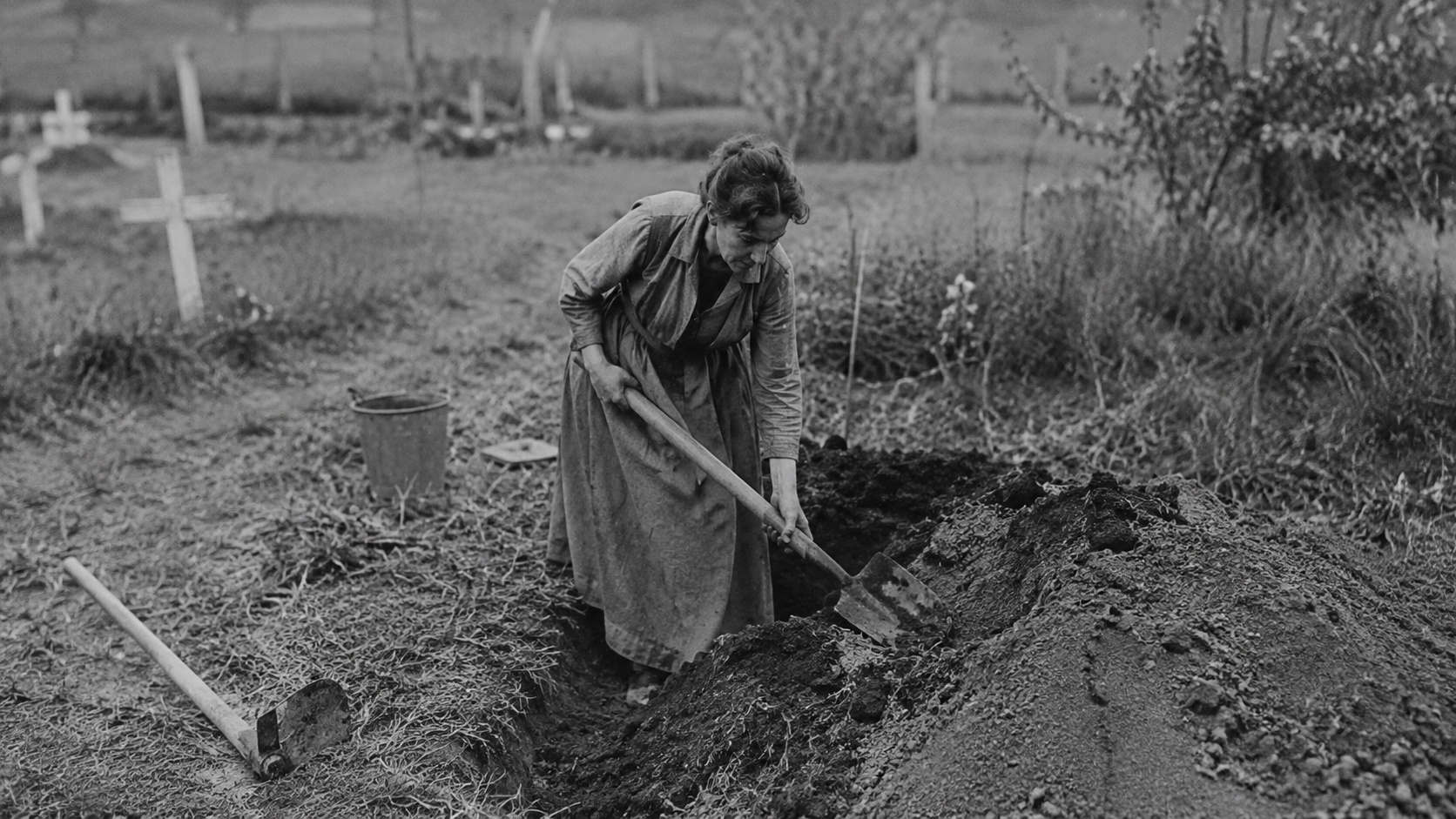

Juliette Cazes’ book shows how gravediggers, embalmers, and funeral directors faced prejudices and transformed the care of the dead into a theme of memory, technique, and dignity.
Talking about death still causes discomfort for many people, even though it is an inevitable experience.
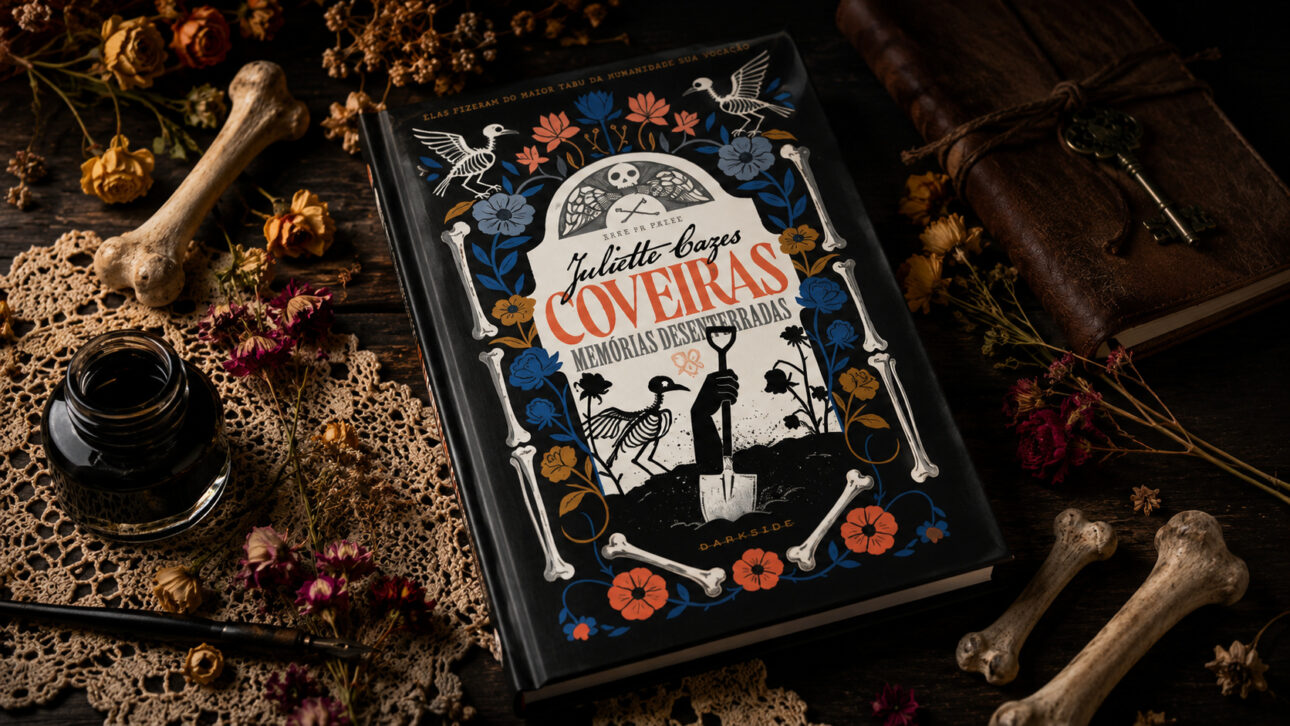
In Gravediggers: Unearthed Memories, published by DarkSide Books, the French researcher Juliette Cazes proposes to look at this taboo without sensationalism.
Specialist in thanatology, anthropology, and archaeology, Cazes recovers stories of women who dedicated their lives to the care of the dead.
-
Elderly Man in His 70s Spends Nearly 30 Years Digging 3 km Canal to Transform Arid Land into Farmland in Rural India

-
Submerged Town Reemerges in São Paulo as Reservoir Levels Drop, Revealing Ruins and Memories of Displaced Families
-
In Northeastern Brazil, 1,200 Residents Face a Silent Nightmare as Giant Sinkholes Threaten Entire Neighborhoods
-
Astronauts Returning from Space Show Altered Gut Bacteria and Loss of Protective Microbes, Highlighting Potential Risks for Mars Missions




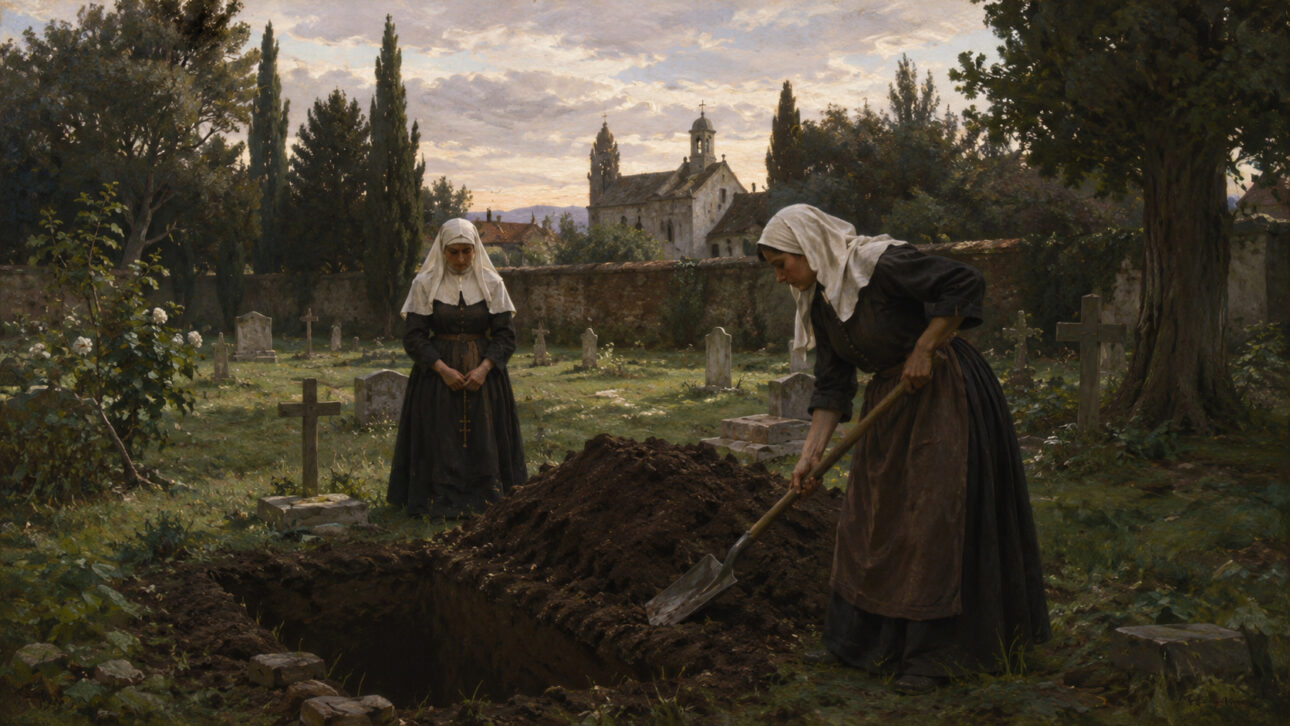
The work gathers the trajectories of embalmers, funeral directors, thanatopraxists, and mortuary professionals who challenged a sector historically dominated by men.
According to an interview given to Aventuras na História, the author also reflects on death, mourning, respect, and funeral ethics.
Forgotten women of funeral history
The idea for the book arose during an intense summer when Juliette worked directly with the dead.
During that period, she began researching photographs of French funeral homes from the 19th century.
As she observed, several women appeared in front of family establishments, although they were almost never mentioned in official records.
This absence sparked her curiosity and led the researcher to investigate historical archives, administrative documents, newspapers, and anthropological studies.
According to Juliette, many of these women remained anonymous because the businesses were registered in their husbands’ names.
Thus, the work reconstructs female trajectories erased by time and shows how they transformed funeral care into technical and human work.
Between curiosity, memory, and respect
Despite the delicate theme, Juliette differentiates legitimate interest in death from morbidity.
For her, studying funerary rites, historical cemeteries, and ancient cultures does not mean turning death into a spectacle.
In France, for example, visiting 19th-century cemeteries is part of cultural life.
The researcher advocates for balance when dealing with the subject.
Juliette states that she avoids publishing content that could generate many views but would exceed her ethical limits.
According to her, death demands respect in research, scientific dissemination, and funerary work.

Why does death remain a taboo?
Death remains surrounded by silence in different societies.
According to Juliette, one of the reasons lies in the change of family rites.
Previously, the care of the dead took place within homes. Currently, this role has shifted to specialized professionals.
Consequently, death has become more distant from everyday life.
Avoiding the topic can cause problems.
According to the author, silence makes it difficult to care for the living, the dying, and the dead.
Families may enter into conflict when they do not know a person’s last wishes.
India, cremation, and mummies marked her journey
Throughout her career, Juliette traveled to different countries to observe how cultures deal with death.
Among the most remarkable experiences, she highlights the cremation ceremonies in India, on the banks of the Ganges River.
The researcher states that this experience changed her perception of tombs, ashes, and farewells.
Even so, she revealed that she has not yet fully planned her own funerary rites.
Among all the topics studied, mummies remain her greatest inspiration.
According to Juliette, they show human creativity in the face of decomposition and help to understand ancient ways of preserving memory.
A book about death, women, and dignity
Gravediggers: Unearthed Memories expands a discussion that goes beyond death.
The work shows how women worked in funeral homes, morgues, and mortuary services when almost no one expected to see them in these spaces.
The book reveals how these professionals helped transform suffering into care, technique, and support.
By recovering these stories, Juliette Cazes also invites the reader to reflect on life.
After all, understanding death can be one of the deepest ways to recognize the value of human existence.
Do you think talking about death helps families better cope with grief and the last wishes of those who pass away? Leave your opinion!