Portuguese
  Spanish


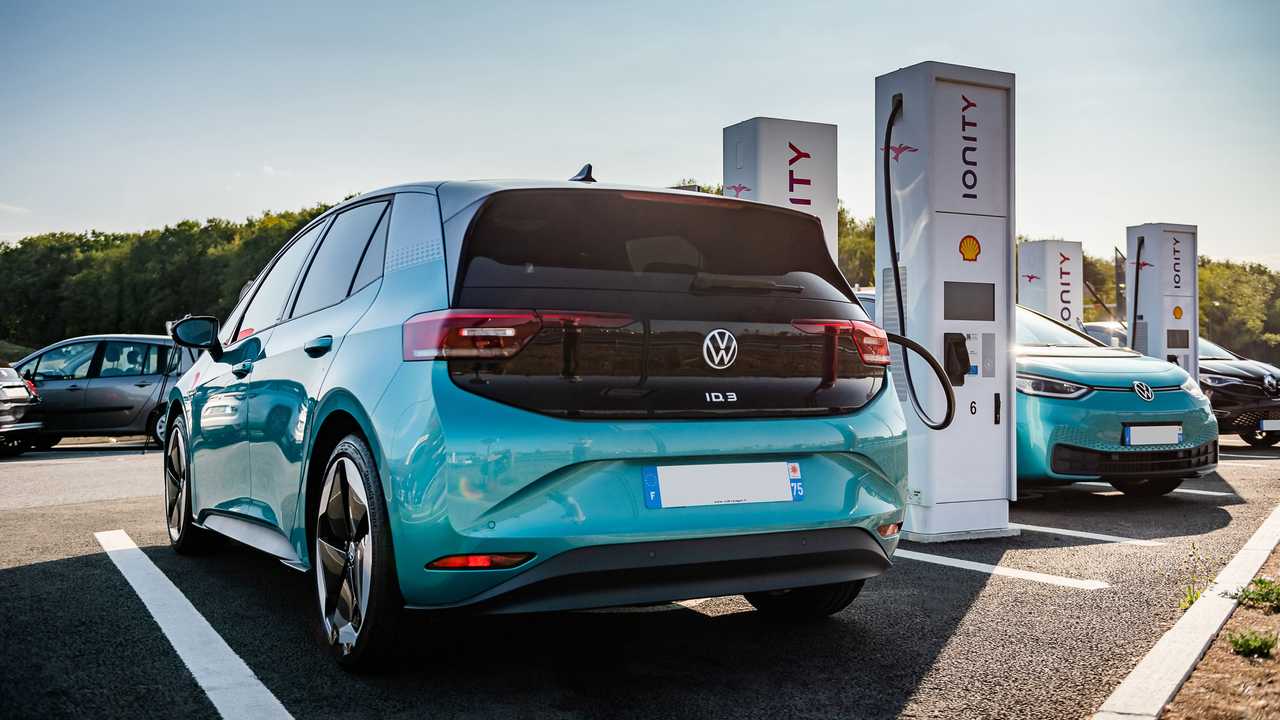

With Electric Cars Being Cheaper Than Internal Combustion Vehicles in 2027, In Addition Fuel Economy, Environmental Benefits Will Be Generated
The moment of popularization of electric cars is approaching and, according to a study by BNEF – Bloomberg New Energy Finance, electric vehicles and utilities will cost less to build than cars with internal combustion engines by 2027. Depending on the category and model, electric cars could represent 100% of new vehicle sales in the European Union (EU) by 2035. See also: Electric Cars in Brazil: How is the Market in 2021
- Direct Sale of Ethanol from Mills Approved by CCJ and Promises to Stimulate Competition and Curb Gasoline Price Increases at Fuel Stations
- Telemarketing Company in Bahia Opens Selection Process with 800 Job Vacancies for Entry-Level Professionals with Completed High School
- Pronatec Opens 600 Vacancies in Free Distance Learning Courses in ES in the Areas of Administrative Assistant, Sales Promoter, Pharmacy Clerk, and More
- Fertilizer Factory Fafen in Sergipe Reopens with Full Production, Creates 500 Jobs, and Will Open Over 1000 Vacancies
- Demand for Ethanol and Gasoline Plummets While Diesel Consumption Soars in Brazil
The Electric Vehicle Market and Its Growth in Recent Years in the EU
The EU has set very strict goals to reduce carbon emissions and, with that, aims to decarbonize road transport and encourage the production and commercialization of electric vehicles with an ambitious vision.
However, the study raises questions about to what extent average families or small businesses will be able to invest in the transition to electric vehicles. As far as they know, these electric cars still have a value higher than that of internal combustion engine vehicles, indicated by data from the study conducted by BNEF.
-
Latin America’s Largest Port Invests $400 Million in Rail System with Trains Up to 2.4 Kilometers Long
-
New Smart Radar Begins Issuing Fines to Solo Drivers in Carpool Lanes, Uses Cameras to Count Occupants, Changing Traffic Enforcement Rules on Busy European Roads

-
Why can the crane operator only obey the correct signalman on the construction site: among dozens of workers, a hand raised by the wrong person can confuse the maneuver and turn a load of tons into an immediate risk.
-
What changes with the new public transportation rules that can reduce pressure on fares and pave the way for zero fare in Brazil?


Electric vehicle sales have increased, and the growth trend in the sector is ever greater, as, in fact, the willingness of countries around the world (especially EU countries) to meet their goals in the face of climate change and the willingness of brands have largely promoted this shift from internal combustion vehicles to electric cars.
Europe Will Achieve Transition from Internal Combustion Vehicles to Electric Cars
BNEF – Bloomberg New Energy Finance, analyzed the opportunities in Europe to achieve a transition from internal combustion vehicles to electric cars. Foro Coches Eléctricos analyzed the main results of this study and the answer is clear; if Europe receives the right political support, the transition is possible.
It is expected that, in the next production cycle, electric cars across all fields will reach the same level as the same model of internal combustion vehicles. In fact, vehicle design, mass production, and expected drops in battery prices will reduce prices to more than one-third of current prices by 2025.
In this regard, continuous technological development related to batteries will reduce prices and increase competition. With this, data shows that between 2020 and 2030, the price per kilowatt-hour will drop by 58%.
Prices of Electric Cars
According to the NGO Transport and Environment, which commissioned the study from BNEF (Bloomberg New Energy Finance), electric sedan and SUV models will be as economical to manufacture as fossil fuel-powered vehicles starting in 2026, and small cars starting in 2027.
Therefore, the forecast indicates that, on average, even before the arrival of potential government subsidies, the purchase price of electric cars will become cheaper. In 2026, the price before taxes of electric vehicles will be equal to the price before taxes of internal combustion vehicles, around €19,000, while the price before taxes of electric vehicles will be around €33,000.
According to this study, the decrease in manufacturing costs can be explained by the fall in battery prices and the development of production lines dedicated to electric vehicles.