Portuguese
  Spanish



The Report Was Developed by Rystad Energy, Which Forecasts a Deficit in the Global Supply of WTIVs (Offshore Vessels) and Heavy-Lift Ships
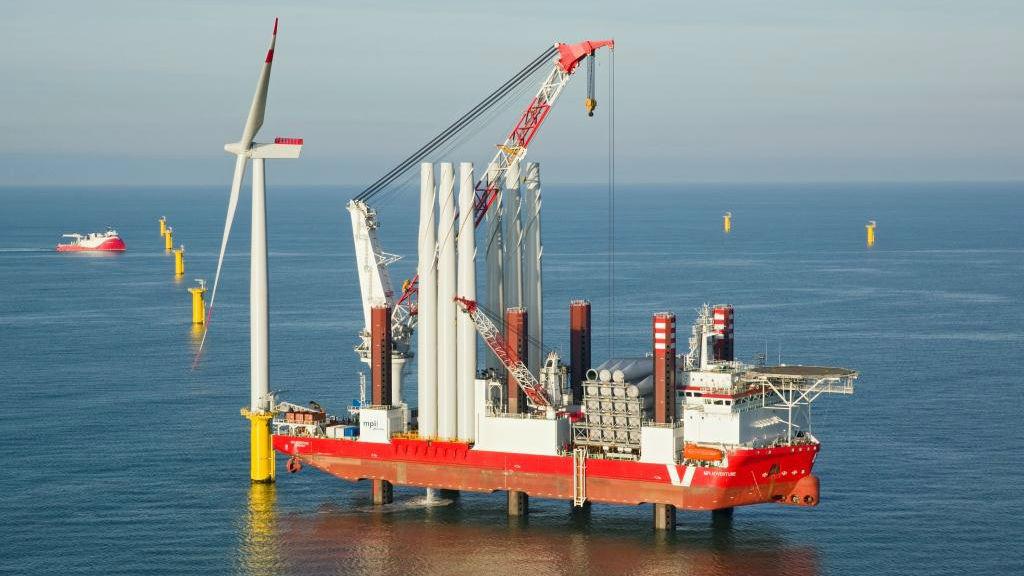
In a new report, consulting firm Rystad Energy predicts that the global supply of offshore wind turbine installation vessels (WTIVs) and heavy-lift ships will fall short of the decade’s average, reflecting a boom in the development of new wind farms and the advent of increasingly larger turbine designs. This finding reflects the vision of the owner Scorpio Bulkers, which is exiting the bulk solid sector and investing in high-quality WTIVs in anticipation of high future daily rates.
See Also:
- The Success of Digital Mining and Its Main Influences on the Brazilian Economy
- Rental Electric Cars – Itaú Will Start Renting Electric Vehicles in 2021
- BNDES Approves Purchase of Omega’s 583 MW Wind Power Park
Rystad forecasts that the demand for installation vessels in 2020 is around 8-13 ships per year, covered by about 32 active WTIVs and 14 foundation installation vessels. This is more than sufficient to meet current market needs in Europe, but global demand is likely to increase fivefold by 2030, the company predicts. (Rystad excluded China from the analysis, as Chinese developers are expected to source their ships and services from the domestic market.)
As Scorpio Bulkers also predicted, the vessel deficit will be felt most acutely for projects using the latest ultra-large turbines, such as GE’s enormous Haliade-X. Only four WTIVs in the world can handle these 250-meter giants, and future commercial-scale projects generally favor the largest turbine classes to keep the cost per kilowatt of capacity low. GE’s competitors are planning even larger turbines in an arms race that shows no signs of slowing down.
-
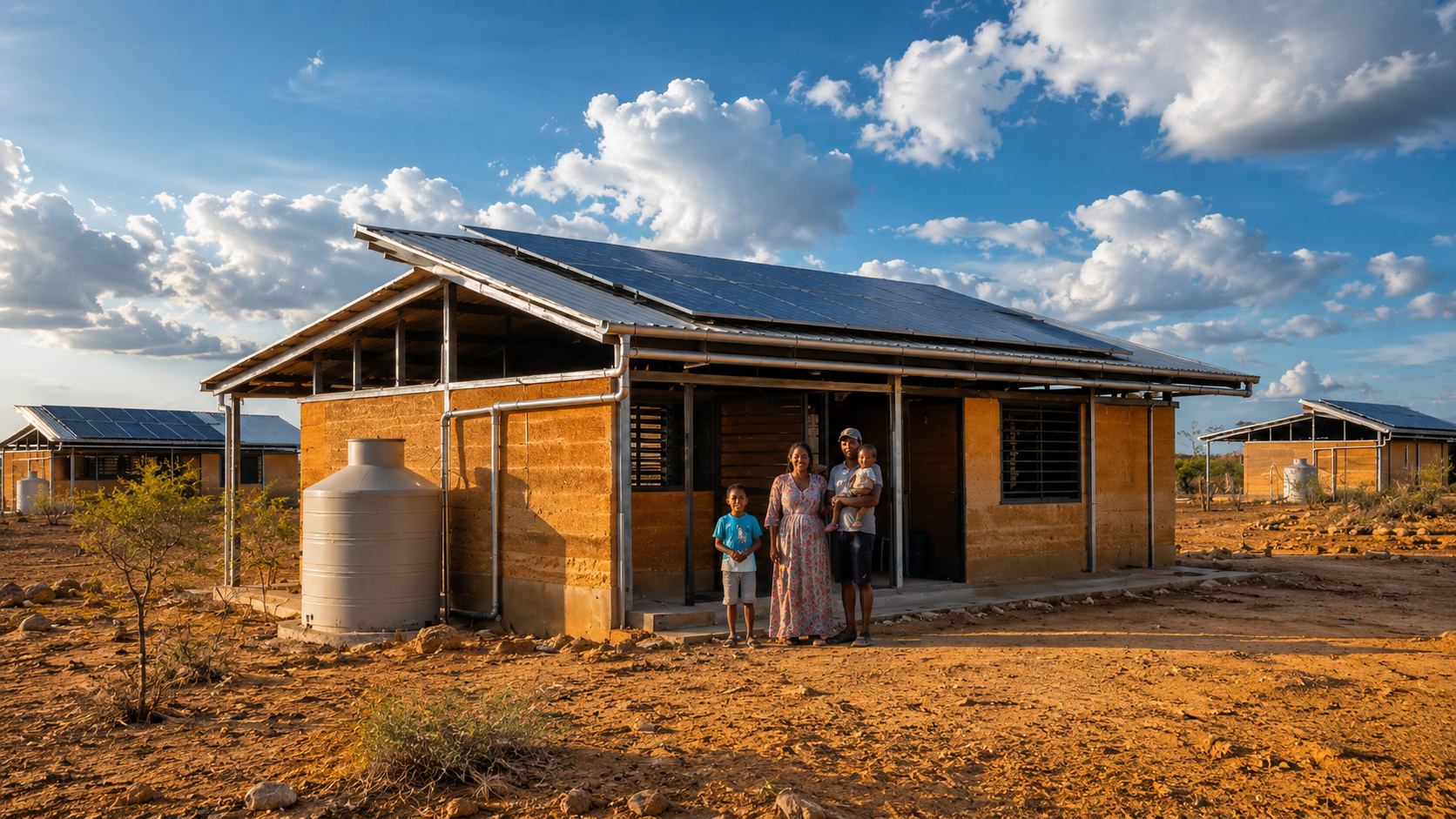
In Colombia’s desert, 30 families receive 80 m² homes with solar panels, waterless toilets, and rainwater collection systems amid water and energy shortages.

-
Engie Secures 10-Year Use of 625 MWh in Batteries to Store Excess Solar and Wind Energy in Spain by 2028
-
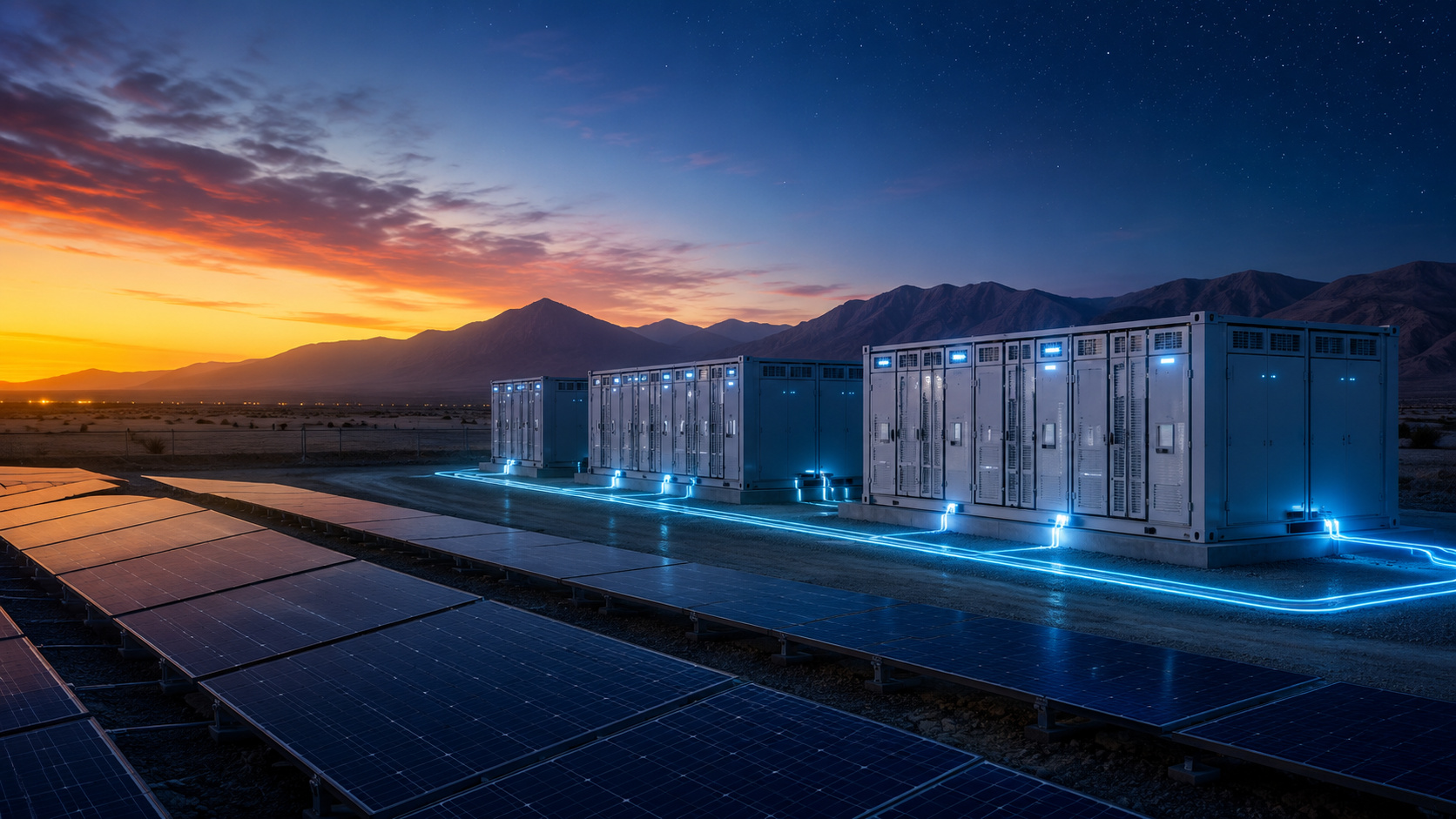
Giant Batteries Take Center Stage in Chile Auction as Company Offers 960 GWh of Solar Energy for Nighttime Use, Aiming to Stabilize Solar Power Supply
-
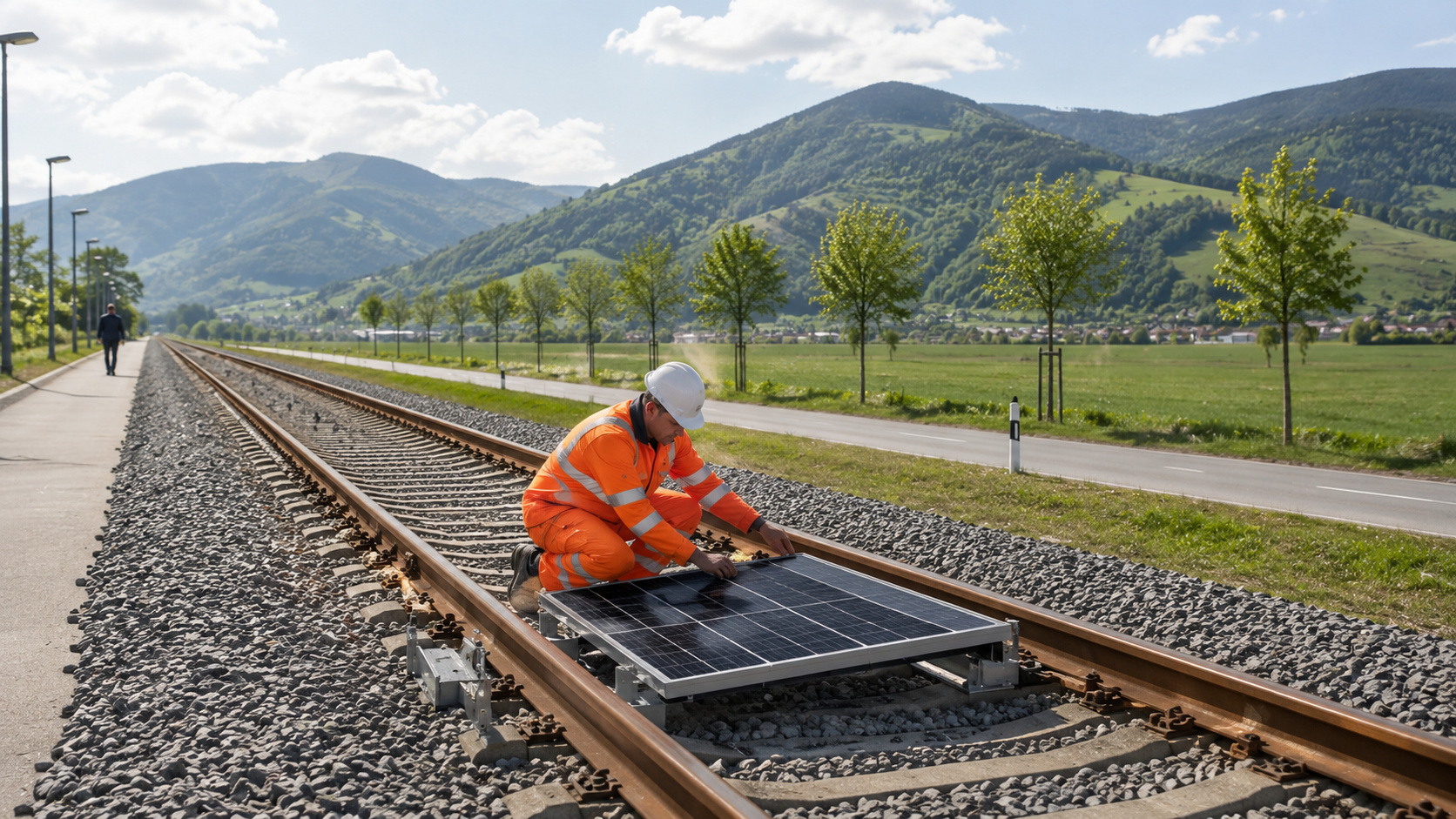
After a Year of Success in Switzerland, Solar Railway Attracts Italy’s Interest for Clean Energy Transformation

“We have identified the heavy-lift vessel segment as the main bottleneck for offshore wind development starting in the middle of this decade, and the need for next-generation vessels may slow down the expected cost reductions in offshore wind energy,” said Alexander Fløtre, product manager at Rystad Energy for offshore wind.
The acquisition costs of turbines and foundations (jackets or monopiles) account for the largest expenses of a wind farm, but installation work also requires capital-intensive investments. It can consume about 20-30 percent of the total project cost, according to Rystad – up to one billion dollars for a project of 100 turbines and one gigawatt. With about 5 to 9 days of work vessel time and waiting time per turbine, and with a WTIV day rate exceeding US$ 200,000, the revenue opportunity for owners increases rapidly.
“Looking ahead, vessels will need to cater to the initial construction phase of projects, as well as periodically maintain and replace the active equipment base. The segment that will succeed in meeting the future needs of the offshore wind industry will be able to offer this valuable synergy to support healthy fleet utilization,” Alexander said.