Portuguese
  Spanish


Researchers Identify a 20 Thousand Km Journey by Ancient Asian Peoples to the Land of Fire, Revealing Genetic Impacts and Reflections on Modern Health
An international genomic study revealed that ancient Asian peoples undertook the longest recorded prehistoric migration. According to the data, these groups traveled over 20,000 kilometers, from northern Asia to the southernmost tip of South America.
The research was conducted by 48 scientists from 22 institutions and received support from the GenomeAsia100K consortium. The team analyzed the DNA of 1,537 individuals from 139 ethnically diverse groups. The goal was to reconstruct the migratory routes of the human species.
The journey began in Africa and extended to the Land of Fire in Argentina. This region is considered the final point of human expansion across the planet. Based on the data, the first migrants reached the northern tip of South America about 14,000 years ago, in the area between present-day Panama and Colombia.
-
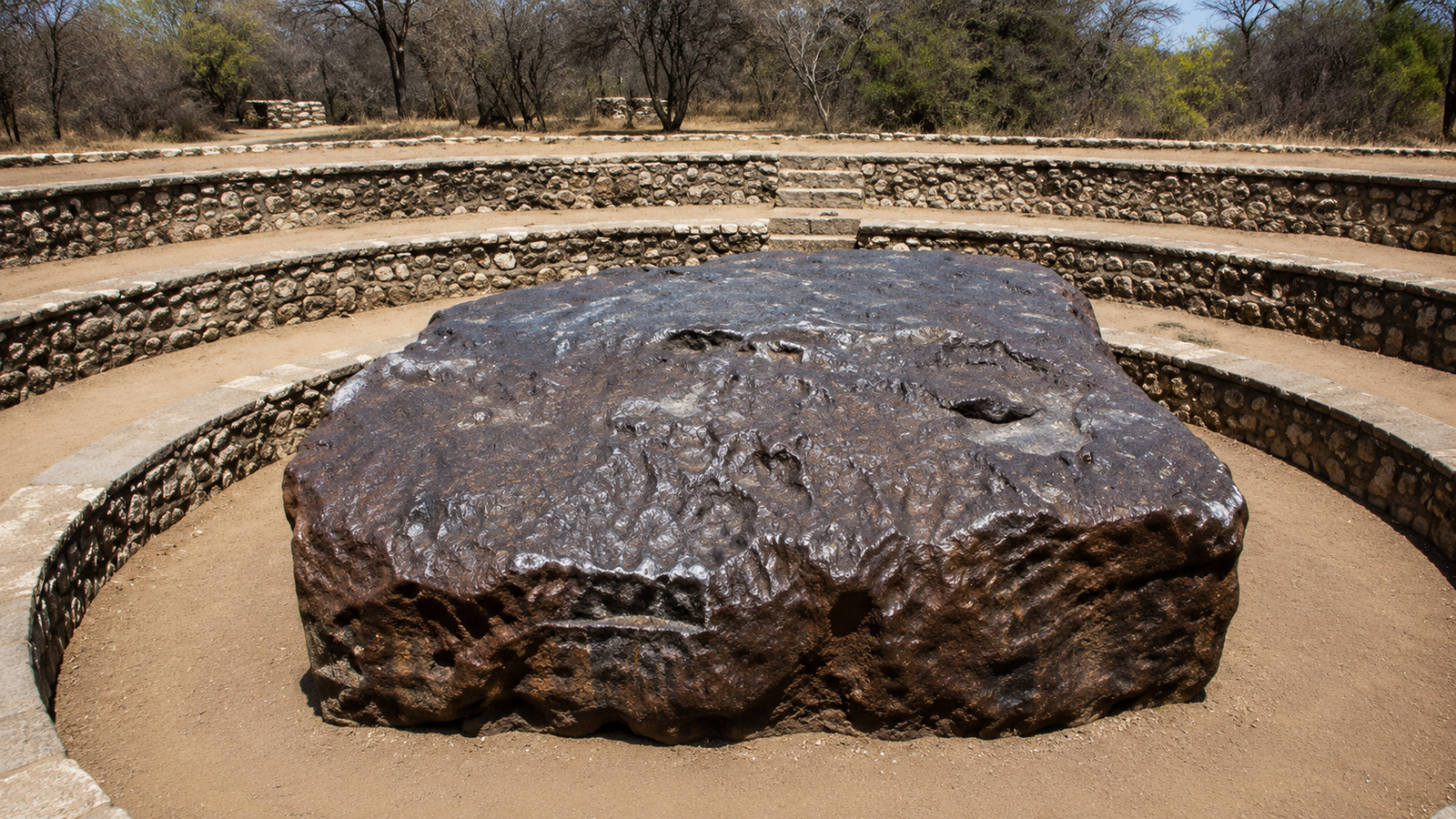
Largest Known Single-Piece Meteorite, Weighing 60 Tons, Puzzles Scientists with Its Intact Fall and Lack of Visible Crater

-
Oceanographer Turns Abandoned Fishing Nets from Brazilian Waters into Bags, Creating Jobs and Earning Over $7,000 Monthly

-
Australia deploys poisoned sausages and uses traps, shooting, and fences in a battle against invasive cats that kill over 1.5 billion native animals annually, threatening more than 200 species.

-
NASA Rover Captures “Tired Face” on Mars, Highlighting Human Brain’s Tendency to See Faces in Rock Formations




Genetic Reduction and Immunity
According to Kim Hie Lim, one of the study’s authors, these migrants carried only a portion of the genetic material from their source populations. This resulted in reduced genetic diversity, especially in genes related to the immune system.
This lower diversity may have left Indigenous communities more vulnerable to diseases brought by later immigrants, such as European colonizers. According to the researchers, understanding this dynamic helps to better comprehend how genetics influence human health.
Cutting-Edge Methodology
To reach these conclusions, the scientists used high-resolution genomic sequencing technology. This allowed them to identify genetic markers passed down through generations.
These patterns revealed the timing of population divergences and how communities adapted to various environments.
The study’s first author, Elena Gusareva, highlighted the adaptability of these groups: “Our findings emphasize the extraordinary adaptability of the early and diverse Indigenous groups that successfully settled in extremely different environments.”
She noted that the technology used allowed for “unraveling the deep history of human migration and the genetic footprints left by the first colonizers.”
Review of Genomic Diversity
The study also challenged an old assumption: that Europeans would have the greatest genetic diversity. Stephan Schuster, a senior author of the research, stated that the data shows otherwise.
“Our study shows that a greater diversity of human genomes is found in Asian populations, not European ones, as has long been assumed due to sampling bias in large-scale genome sequencing projects,” Schuster explained.
According to him, this result reshapes the understanding of historical population movements and reinforces the importance of including more Asian populations in genetic studies.
Reflections on Health and Science
The research also has implications for health. By understanding how migration, isolation, and adaptation shaped human genetics, scientists can refine public health policies and improve personalized medicine strategies.
For the authors, this genomic analysis not only reveals details of prehistoric life but also helps guide the future of science and medicine.
With information from Interesting Engineering.