Portuguese
  Spanish


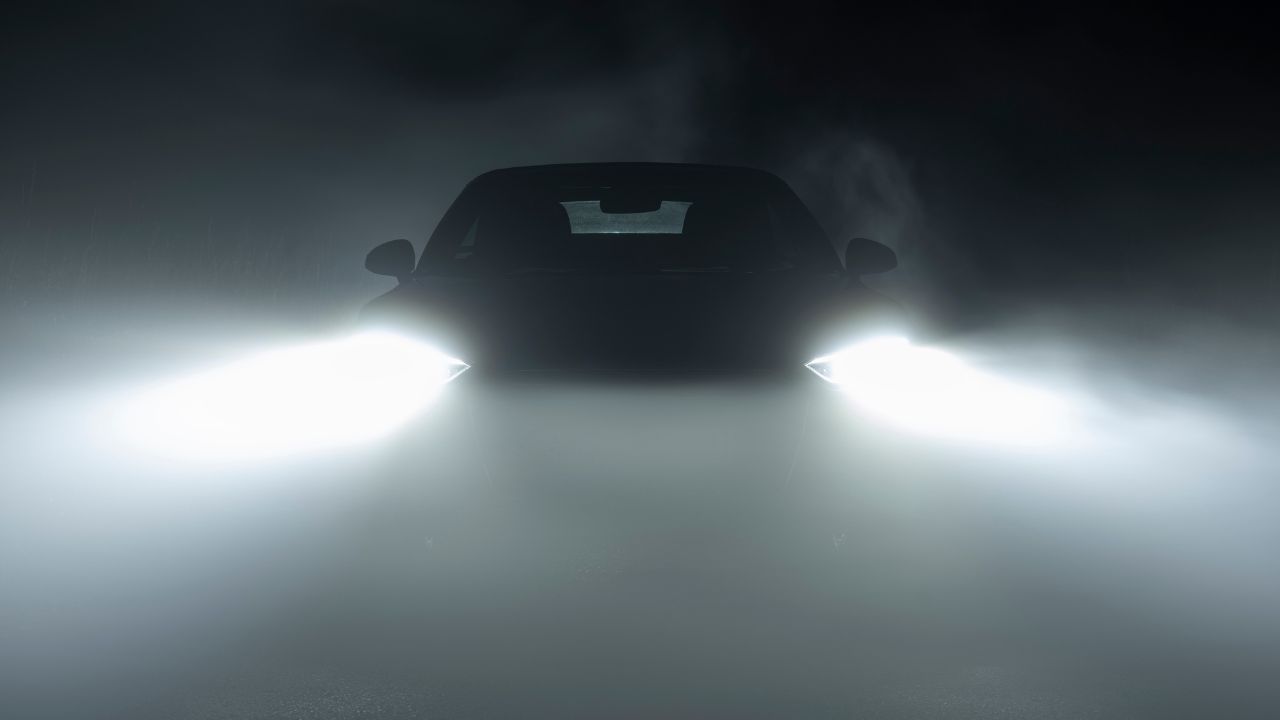


A British Study on LED Headlights Shows That 96% of Drivers Report Glare — The New Lights, Though Efficient, Pose Safety Risks.
A recent study by the Department for Transport (DfT) of the UK analyzed the power of LED headlights in cars and concluded that they cause serious glare in a significant portion of drivers.
The survey, conducted between October 2024 and early 2025 with participation from 1,850 drivers, combined practical luminance measurements with detailed interviews to identify the level of risk associated with the use of LED headlights.
According to the results, 97% of participants report being distracted by the brightness, and 96% consider glare to be a road safety issue.
-
End of an era in Brazil: beloved sedan by Brazilians is discontinued despite having a 2.0 engine with 151 hp, CVT transmission, 466-liter trunk, and up to 650 km of range.

-
New Law Proposal in Brazil Could Heavily Penalize Drivers: Dangerous Overtaking May Become a Serious Offense with Fines Increased Tenfold and a 12-Month License Suspension; Update on 2026 Progress

-
Electric Revolution: Watts W125 Motorcycle Offers 160 km Range, 90 km/h Speed, and Affordable Price Starting at $3,000
-
General Motors Replaces Over a Thousand Workers with 50 Cobots at Electric Vehicle Plant, UAW Union Criticizes Move Amid Industry’s Automation Push



The survey becomes especially relevant due to the rise of SUVs with higher headlights, which further increase the impact of LED light.
LED Headlights: Promise Visibility, But Create Danger
LED headlights are widely valued for providing clearer and more efficient light, which helps both in visibility and being seen by other drivers.
However, according to the study, they also have a downside: when misaligned or positioned too high, they can blind drivers coming from the opposite direction.
This combination of luminous power and elevated height in modern vehicles (like SUVs) makes the situation critical, as glare can briefly impair a driver’s vision — precisely at times when focus is essential.
Methodology: How the Study Measured the Brightness of LED Headlights
To validate its conclusions, the DfT used a dual approach. First, luminance measurements were taken — that is, how much visible light LED headlights emit — using special cameras.
In parallel, the study employed a machine learning algorithm to cross-reference these data with variables that influence glare, such as road topography, curves, and inclines.
Beyond the technical aspect, researchers interviewed 1,850 drivers to understand people’s perceptions of the issue.
The majority reported frequent distractions caused by the intense light — reinforcing that the impact goes beyond raw numbers.
Clear Results: Risk and Sensation of Discomfort
The data reveals an alarming scenario: for 97% of participants, the intense brightness of LED headlights causes frequent distractions while driving.
Moreover, 96% of respondents acknowledged that the glare generated by this type of lighting poses a concrete risk to road safety.
Another important finding was the existence of a “strong correlation” between high luminance and reports of glare.
In other words, the stronger the measured light, the more drivers say they are affected.
Road factors also influence: driving uphill, for example, or making a right turn increases the sensation of brightness.
This is because the geometry of the road changes how light distributes and how headlights point in relation to the eyes of other drivers.
Road Safety at Risk
The results of this study raise a fundamental question: the technological evolution of headlights is not always accompanied by an increase in safety for all.
Even though LED headlights are more efficient, their growing use without strict height and adjustment regulations can create real risks.
Experts and drivers have already warned about the issue — and now there are technical data and reports to support these complaints.
If headlights are improperly adjusted, the promise of better visibility can become a threat to other road users.
Possible Paths: Regulation, Education, and Adjustments
In light of these risks, there are several measures that can help mitigate the problem of LED headlights:
- Stricter Regulation: define limits for height and luminous intensity for headlights.
- Awareness Campaigns: drivers and workshops should educate on the importance of proper headlight adjustment.
- Smart Technology: use of sensors or adaptive systems that adjust light according to the environment and traffic.
Such actions can make LED headlights safer, without sacrificing the gains in energy efficiency and luminous performance.
While LED headlights bring many advantages — such as greater visibility and lower consumption — the DfT study reveals that their unregulated use can compromise safety on the roads.
The glare perceived by nearly all interviewed drivers shows that it is not just a subjective feeling, but a real risk.
Therefore, regulating height, educating drivers, and investing in adaptive technology are essential steps to make the luminous advancement truly safe.
Source: Xataka