Portuguese
  Spanish



The NASA Fully Electric Airplane Tests Will Evaluate The Applicability Of High-Voltage Batteries For The Electrical Propulsion System Of The Plane
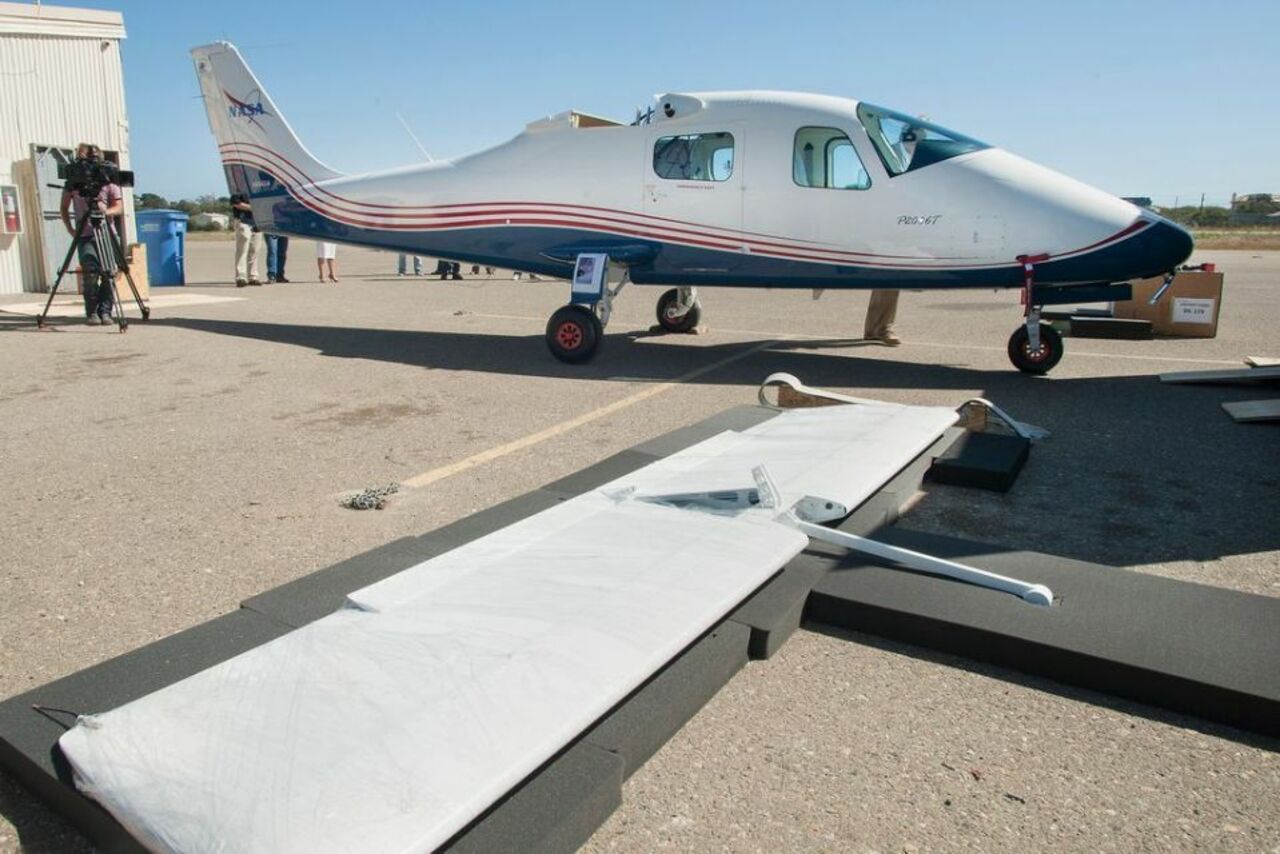
NASA is preparing to conduct a high-voltage test on its experimental electric airplane, the X-57 Maxwell. A fully electric airplane that has been developed to demonstrate technology for reducing fuel, noise, and emissions, by NASA.
Also Read
The NASA electric airplane test will evaluate the applicability of high-voltage batteries for the airplane’s electric propulsion system and will be conducted at NASA’s Armstrong Flight Research Center in the Californian community of Edwards, USA. The conclusion of this phase of ground testing is essential for the project itself.
It marks the transition from the component and prototype evaluation stage to the actual operational stage of the vehicle as an integrated aircraft, including taxi tests and the first flight.
-
Latin America’s Largest Port Invests $400 Million in Rail System with Trains Up to 2.4 Kilometers Long
-
New Smart Radar Begins Issuing Fines to Solo Drivers in Carpool Lanes, Uses Cameras to Count Occupants, Changing Traffic Enforcement Rules on Busy European Roads

-
Why can the crane operator only obey the correct signalman on the construction site: among dozens of workers, a hand raised by the wrong person can confuse the maneuver and turn a load of tons into an immediate risk.
-
What changes with the new public transportation rules that can reduce pressure on fares and pave the way for zero fare in Brazil?



Tests On The Electric Part Of The X-57: The Electric Airplane
Previously conducted at low power, the new tests on NASA’s electric airplane include operating the aircraft at maximum capacity.
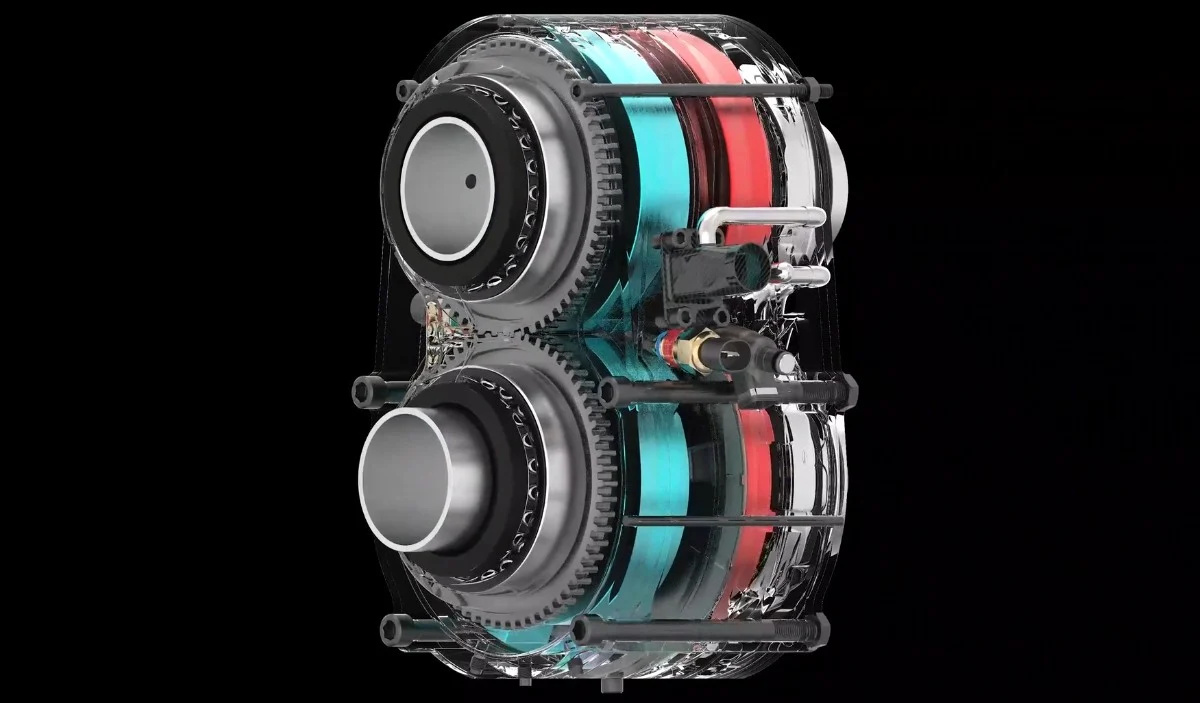
The first two cruise electric motors of the electric airplane, named X-57, were manufactured by ESAero (Empirical Systems Aerospace). The motors enable the propellers to spin as expected. The investments from NASA in aviation focus on a system called Electrified Aircraft Propulsion (EAP).
Nasa Aims To Make It Available To The Major Players In Global Aviation By 2035, After Using It In Smaller Aircraft With Low Range
Following many structural ground tests, electric airplane X-57, in its first configuration as an electric aircraft called Mod II, uses a battery support system, allowing engineers to verify startup sequence, shutdown, and new motor control software.
This software was developed recently, along with other critical components, by ESAero, based on tests that have already been conducted. This company, located in San Luis Obispo, California, is the main contractor for the project.