






 Portuguese
  Spanish
  3 min of reading
  0 comments


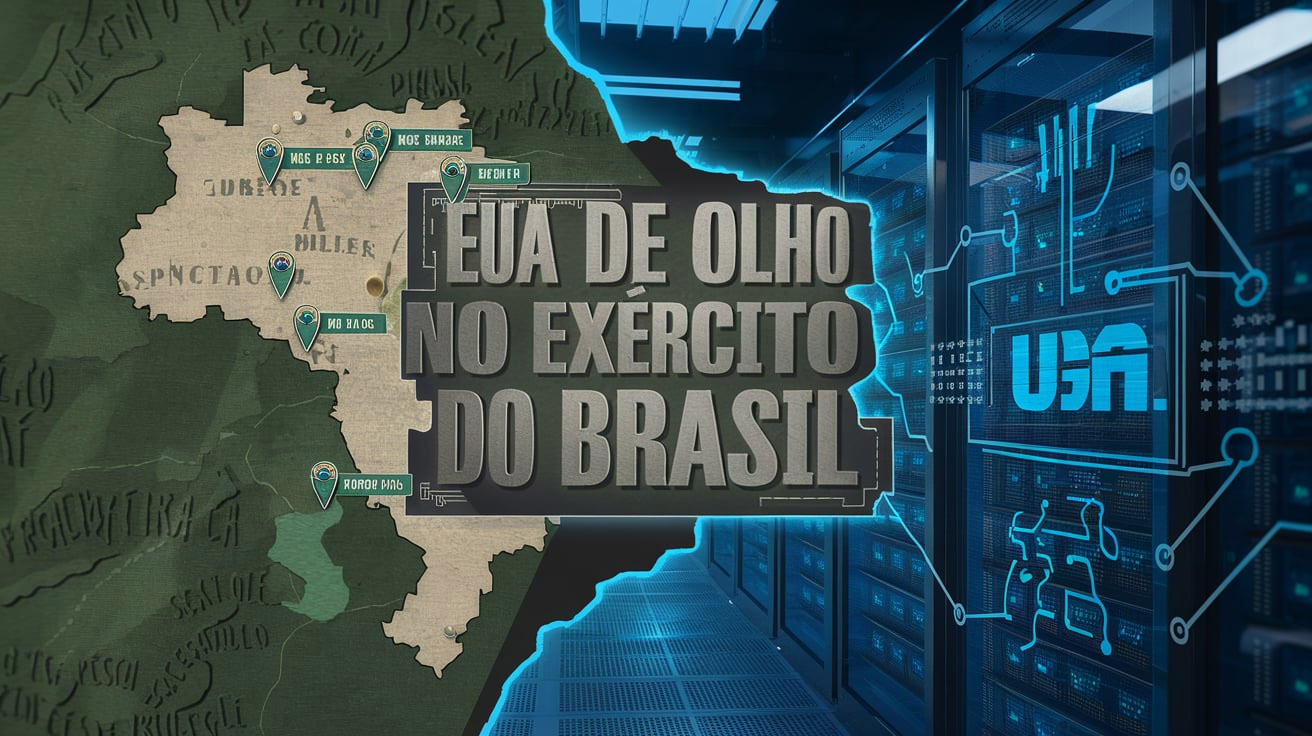
The US Leads Access to the Digital Archives of the Brazilian Army. With Thousands of Visits, Ashburn, Virginia, Stands Out as the Source of Views. Find Out What Makes Brazilian Military Documents So Attractive to the American Public and Understand the Implications for Digital Security.
It’s breathtaking! A region of the United States, famous for its strategic role in the tech sector, is dominating the statistics of access to the Brazilian Army archives.
But what lies behind this seemingly unusual curiosity? The answer involves a combination of military strategy, scientific knowledge, and geopolitics.
According to data from the Digital Library of the Army Doctrine Center (BDEx), digital archives from eight military commands and official defense publications were accessed 7,871 times by IP addresses located in the United States.
-
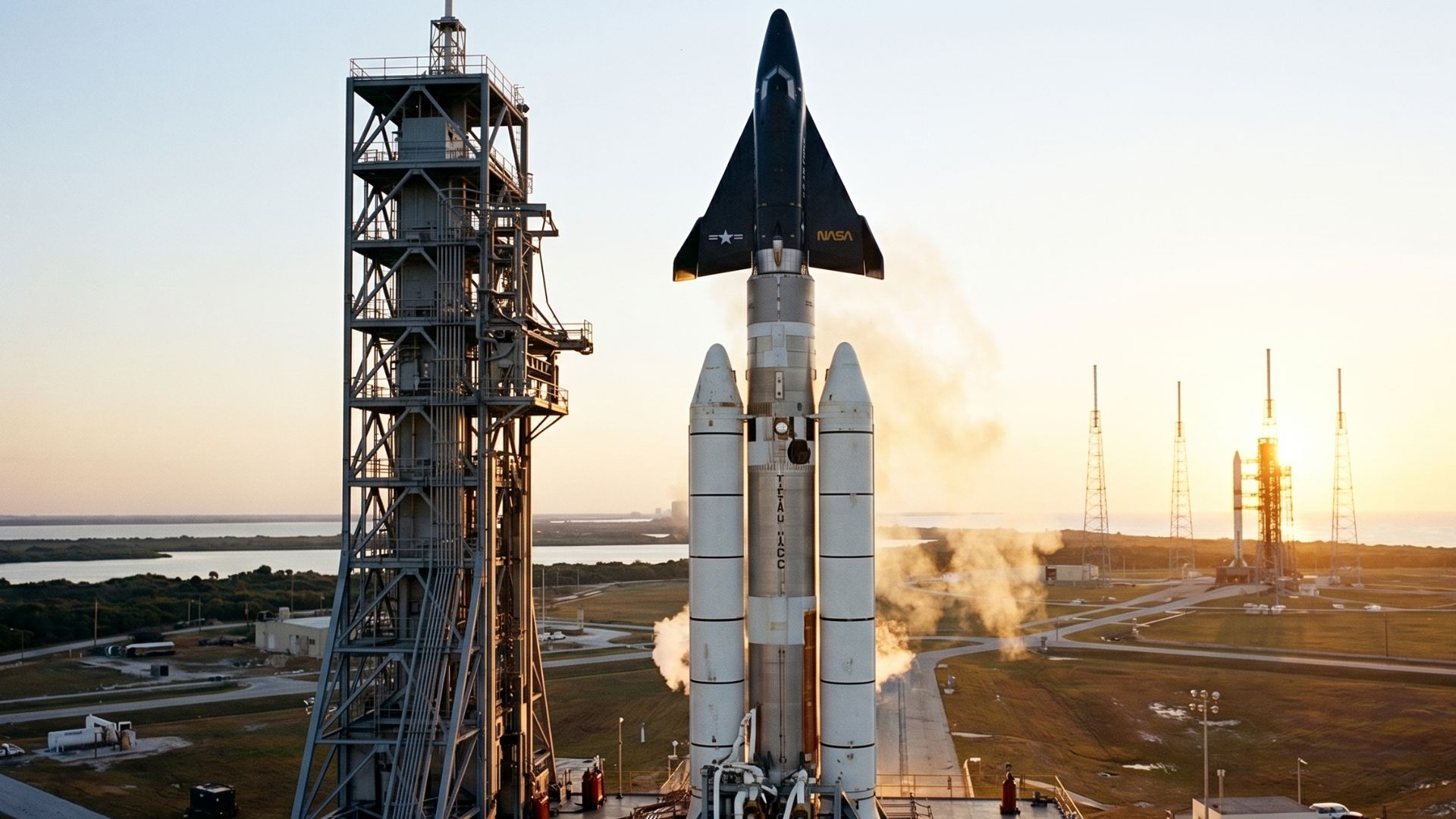
The military spaceplane that almost took the Cold War into orbit: Boeing X-20 Dyna-Soar was designed to re-enter above Mach 20, fly for up to 40 hours, land like a plane, and transform Titan rockets into a gateway to a new era of orbital warfare.

-
FAB bets on national drones and increases investments to strengthen the Brazilian aerospace industry

-
Six times, a luminous crescent the size of the Moon startled the Soviet sky at dusk: it seemed like a wave of UFOs, but it was a secret orbital weapon created to attack the United States via the South Pole and evade Cold War radars.

-
The United States government approved a potential sale of 100 portable Stinger anti-aircraft missiles to the Brazilian Army, in a package estimated at around 330 million dollars that still depends on negotiations between the two countries.



The majority of views come from Ashburn, a city in Virginia known as a tech hub.
This region houses giants of data centers and IT companies, raising questions about why there is so much interest in Brazilian military documents.
Digital Library of the Army
BDEx, launched seven years ago, is a platform that organizes documents into four communities: institutional publications, defense official publications, support activities for major events, and scientific content of military interest.
Among the files are monographs, theses, military doctrines, regulations, and documents on territorial and cyber defense.
These archives accumulate thousands of visits, with the US being the main contributor to the high traffic on the platform.
The military commands also have their individual pages on the site. In total, these archives recorded 5,772 accesses from US IPs.
The Eastern Military Command, which covers states such as Rio de Janeiro, Minas Gerais, and Espírito Santo, leads the access ranking.
Curiously, even without offering available files, the Amazon Military Command, famous for its jungle battalions, is the second most viewed, with 750 accesses.
This demonstrates how the region, strategically relevant in the international context, constantly attracts attention.
US Interest
The interest of the United States is not limited to military commands. Official Defense publications, including documents from the Ministry of Defense, Navy, and Brazilian Air Force, are also among the most accessed collections.
These pages received 2,098 visits from devices connected in US territory. Files such as military mobilization manuals and territorial defense documents are among the most sought after materials.
Why Ashburn?
Ashburn, Virginia, is not just any city. Considered the “capital of data centers” in the US, it hosts infrastructure that supports a significant portion of global internet traffic.
The high number of accesses from this city suggests that the interest may not be limited to individual curiosity but may involve agencies, companies, or technology institutions.
Although there is no evidence of suspicious activities, the volume of accesses raises questions about the potential use of this knowledge.
The Brazilian Army has not yet commented on measures to restrict or monitor access to these documents.
Curious Data
The military commands of the North, West, Northeast, and Southeast have yet to make documents available in their collections, but this has not stopped their pages from accumulating views.
Furthermore, the US’s leadership in the ranking is notable: of the 5,162 visits registered globally, more than 40% came from US territory.
What explains such curiosity about military documents from a South American country?
Experts suggest that Amazonian biodiversity, advancements in military doctrine, and defense logistics may be attractive factors.
Reflections on Digital Security
The presence of sensitive documents on a publicly accessible digital platform raises doubts about Brazil’s cybersecurity.
While transparency is an important value, protection against the misuse of data is equally essential.
The Brazilian Army has been investing in cybersecurity defense measures, but the large number of international accesses indicates that attention to the issue should be doubled.
What Do You Think?
Is the interest of the United States in the digital archives of the Brazilian Army merely curiosity, or is there something more behind it? Share your opinion in the comments!




-

-

-

4 people reacted to this.