





 Portuguese
  English
  Spanish
  6 min of reading
  0 comments


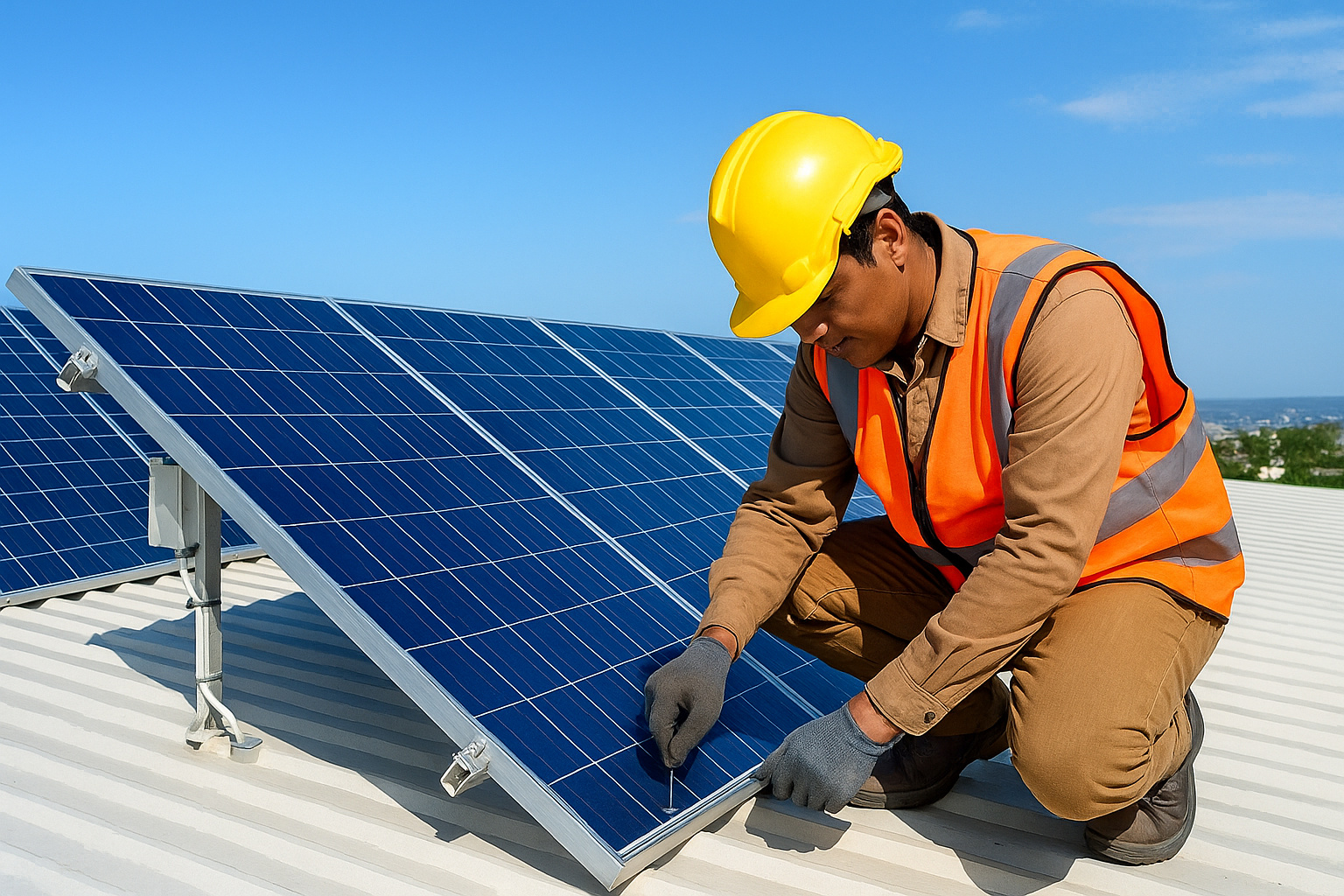
Discover How Solar Energy Can Transform The Energy Future of Europe by Increasing Independence, Reducing Costs, and Strengthening Sustainability and Competitiveness.
Europe is therefore experiencing a decisive moment in its energy history. For decades, the continent has relied on external energy sources, such as gas, coal, and oil. Consequently, it has become vulnerable to price fluctuations and geopolitical crises.
However, growing concerns about the climate and the search for energy autonomy are indeed driving a historic movement: the bet on the sun as a motor of transformation.
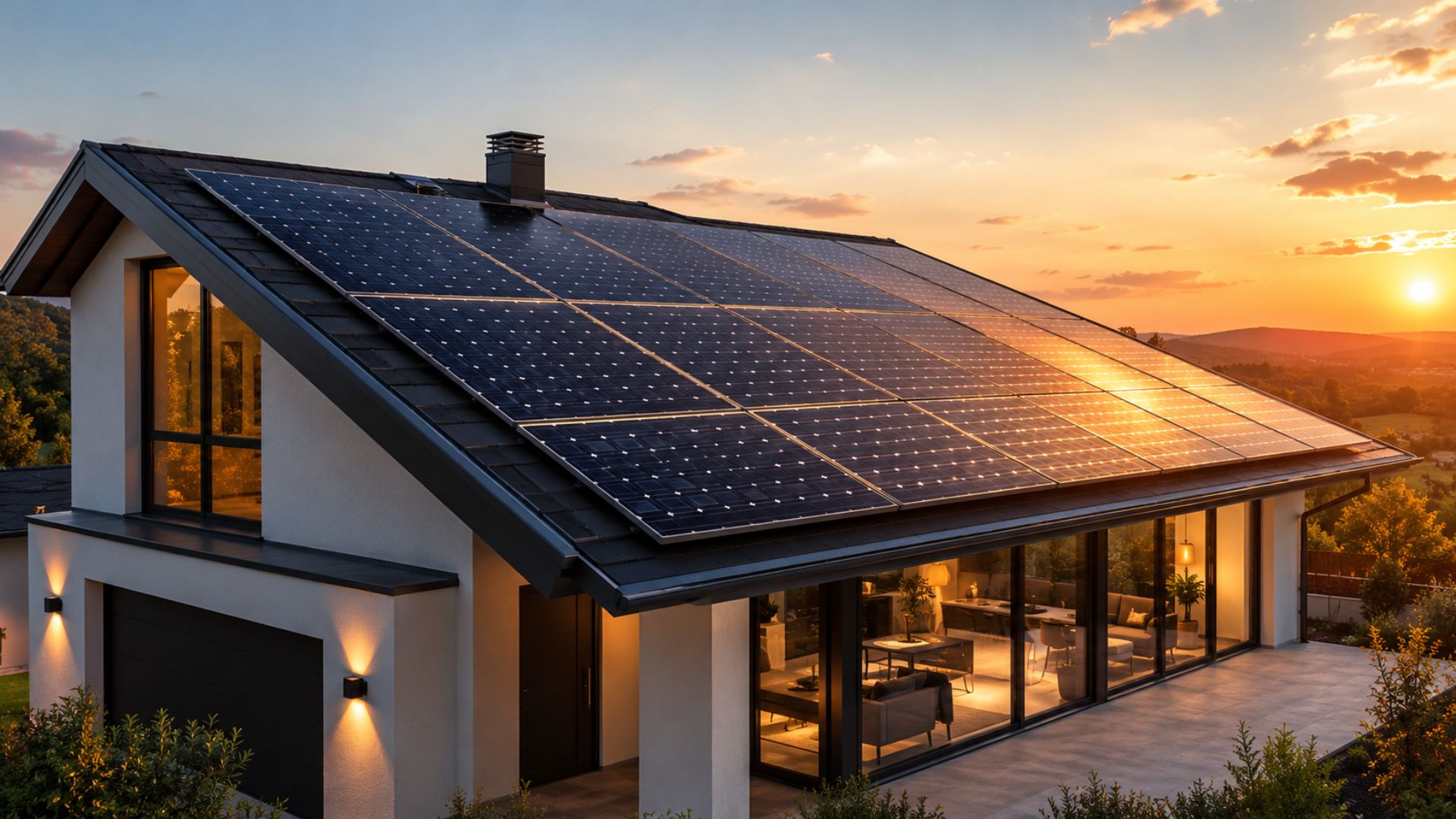
Schneider Electric’s latest report indicates that the European Union could multiply its installed solar capacity by ten if it fully utilized the roofs of homes, industries, and public buildings. Thus, it could achieve a potential of over one thousand gigawatts.
-
The era of solar panels attached to roofs is beginning to change with transparent glass that generates energy while keeping the view unobstructed, and perovskite photovoltaic windows already tested in offices in Japan promise to transform entire facades into invisible power plants without blocking light or altering the appearance of buildings.

-
The era of silicon alone in solar energy comes to an end with the arrival of perovskite, a material that captures a broader light spectrum, is applied as a thin film, and, together with silicon, reaches a theoretical limit of 45% efficiency in tandem modules.

-
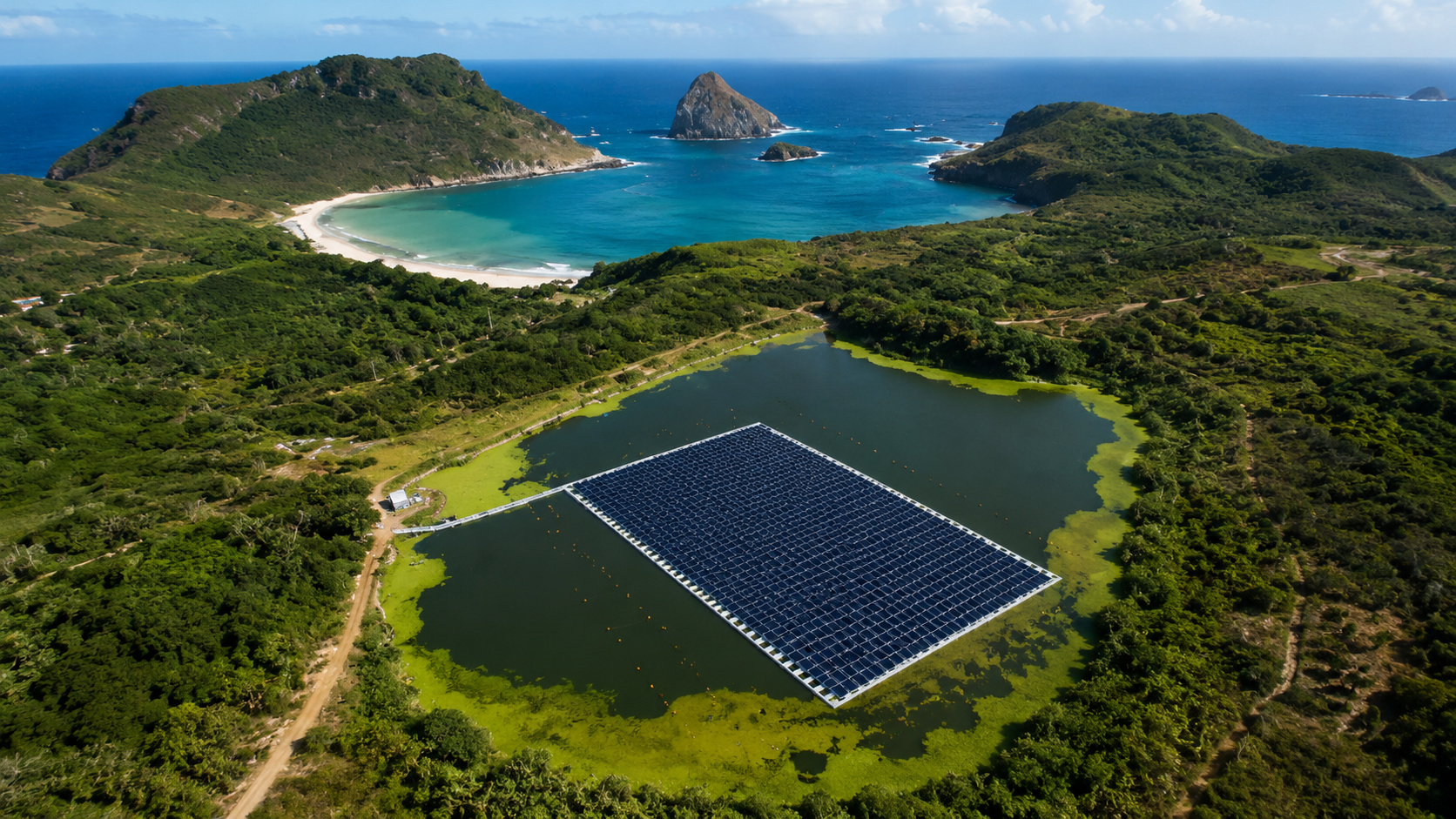
Fernando de Noronha begins unprecedented energy transformation with a R$ 350 million solar plant that promises to replace diesel generation and change the island’s sustainable future by 2027.
-
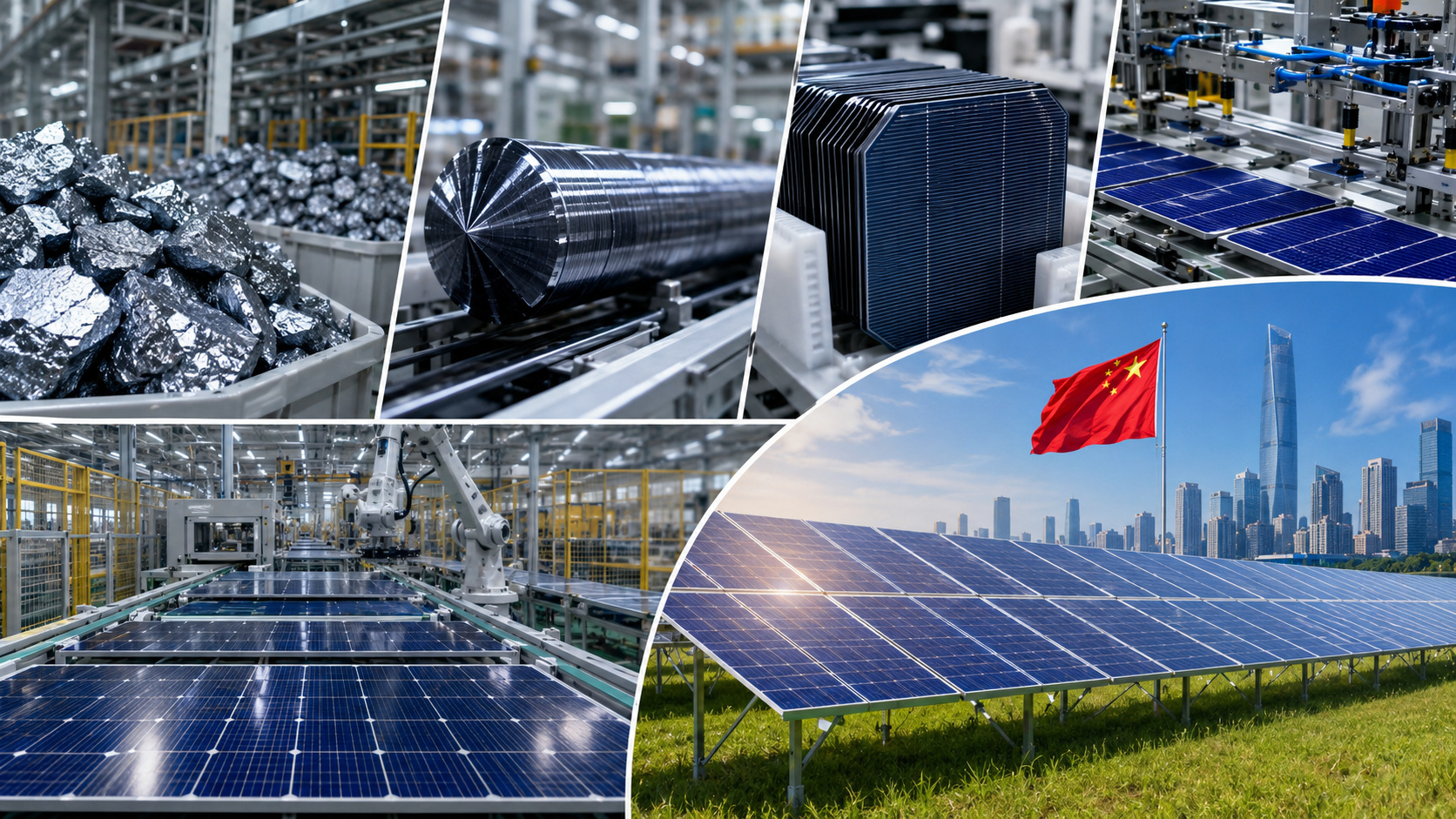
While Europe and the United States rush to save their own solar chains, China already dominates more than 80% of the global manufacturing of solar panels and has turned the sun into an industrial machine controlled by Beijing that is redefining the global energy transition.

Therefore, this investment involves not just technology; it represents a strategic step to transform the energy future of the continent.
Historically, Europe has gone through different phases of energy dependence. In the 20th century, accelerated industrial growth forced the continent to import large volumes of oil and coal.
Moreover, the oil crisis in the 1970s highlighted the region’s vulnerability to external crises. This encouraged the creation of policies to diversify sources.
Despite some advances, the bloc still imports about 60% of its energy today, resulting in an annual expenditure of approximately 380 billion euros.
Consequently, with only 21% of consumption coming from electric sources, Europe lags behind countries like China, which already surpasses 26% electrification. This country is rapidly advancing towards more competitive and sustainable energy models.
Furthermore, recent crises, such as the war in Ukraine and instability in the Middle East, indeed reinforce the urgency of rethinking the European energy model.
Thus, each supply interruption causes price increases and directly affects families and industries, showing that external dependence limits not only the economy but also the sovereignty of the continent.
The Energy Trilemma and The Solar Opportunity
The “energy trilemma” therefore challenges Europe to ensure clean, affordable, and secure energy at the same time.
Experts state that, consequently, the key to transforming Europe’s energy future lies in electrification and the massive adoption of solar energy.
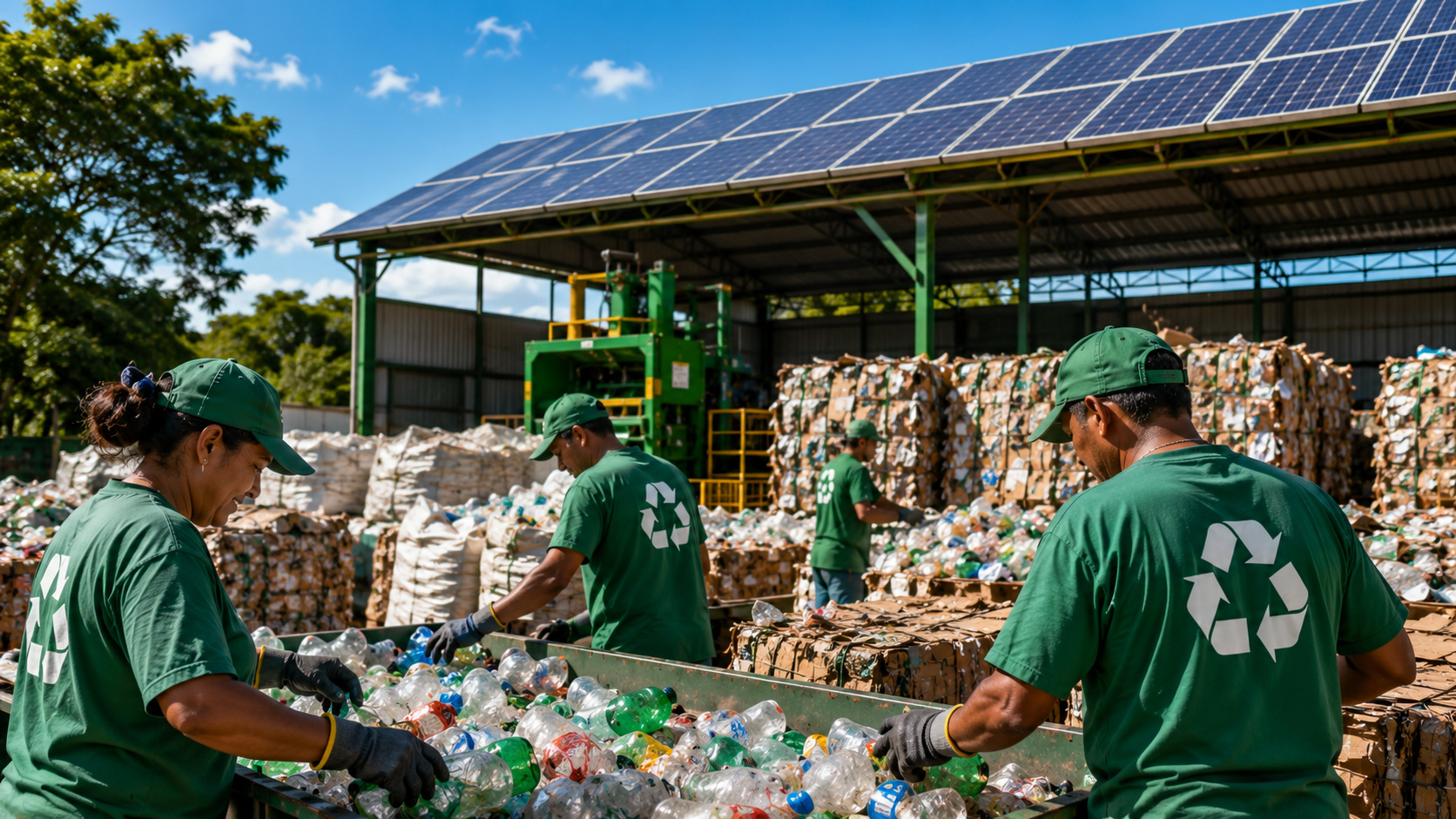
Urban, industrial, and residential rooftops can become decentralized solar power plants. In this way, they generate clean energy exactly where it is consumed.
This approach reduces dependence on fossil fuels and contributes to the stability of the electrical system, as well as lowering costs for consumers and businesses.
Beyond the economic and security aspect, the transition to solar energy directly impacts industrial competitiveness.
Currently, European households pay, on average, three times more per kilowatt-hour compared to China, reaching 0.27 euros.
Renewable electrification would balance this difference, reduce emissions, and strengthen the local industry, thus consolidating Europe’s position as a leader in the global energy transition.
For this reason, this movement combines technology, economy, and sustainability. It offers long-term solutions for a continent historically dependent on imports.
Moreover, increasing solar capacity allows for the integration of new technologies, such as electric mobility and smart distribution systems.
For instance, electric vehicles can be charged with direct solar energy. This further reduces dependence on fossil fuels and strengthens the local power grid.
Technical Potential and Self-Consumption Models
The technical potential of solar energy in Europe impresses experts.
According to Schneider Electric’s study, rooftops could generate more than one thousand gigawatts, while current capacity barely reaches 140 gigawatts.
Therefore, the continent is utilizing only one-tenth of the available resource, even with the necessary technology and financing to expand it.
This demonstrates that the path to transforming the energy future is feasible and urgent. It requires effective public policies and incentives to stimulate private investment.
A strategic model that stands out is energy self-consumption.
By combining solar panels with storage and digital control systems, users can save between 15% and 80% on their energy bills.
Thus, this decentralized system reduces pressure on the power grid and increases resilience in the face of crises or interruptions, representing a practical and efficient alternative for families and businesses wishing to contribute to the sustainability of the continent.
Hence, technology and planning go hand in hand to concretely transform the energy future.
Furthermore, the expansion of self-consumption creates opportunities for innovation in software and energy management.
Thus, European companies can develop digital solutions that optimize the production, storage, and real-time use of solar energy.
Political and Economic Challenges
In the political realm, the European Union faces the challenge of correcting distortions in the energy market.
For instance, the price difference between electricity and natural gas creates a perverse incentive for the use of fossil fuels.
Therefore, experts suggest phasing out fossil fuel subsidies and reforming energy taxation, favoring clean and renewable solutions.
This structural change is essential to transform the energy future, ensuring that economic growth does not depend on external and polluting resources.
Moreover, the benefits of solar energy go beyond economics and security.
Each kilowatt generated prevents the emission of greenhouse gases, directly contributing to the European Union’s climate goals, which aims to reduce its emissions by 49% to 55% by 2030.
Thus, the use of existing rooftops minimizes the need to occupy new land or affect natural ecosystems, making solar energy an environmentally responsible alternative.
In urban areas, solar systems also help reduce the “heat island” effect, improving the energy efficiency of buildings and the quality of life for the population.
Historical, Social, and Geopolitical Impact
From a historical perspective, the bet on solar energy marks a paradigm shift.
For much of the 20th century, the European energy strategy focused on the exploitation of fossil resources, often in distant territories.
Today, with the advancement of photovoltaic technology and the expansion of incentive policies, the continent can generate clean, locally, decentralized, and resilient energy.
This transformation is not just technological; it is strategic, reinforcing energy independence and allowing Europe to distance itself from international crises that affect prices and fuel availability.
Additionally, the social impact of this transition is also significant.
The massive installation of solar panels creates jobs in various sectors, from production and installation to maintenance and technological development.
This thus increases awareness about sustainability and encourages communities to adopt more responsible practices regarding energy consumption.
By transforming the energy future, Europe not only modernizes its infrastructure but also promotes inclusion and social development, consolidating a model of green and sustainable growth.
In geopolitical terms, reducing external energy dependence strengthens Europe’s position on the international stage.
With more energy generated internally and cleanly, the continent can negotiate with greater autonomy, avoiding external pressures and risks associated with market volatility.
Investing in solar potential is therefore a strategic decision that combines economy, ecology, and security, reaffirming Europe’s leadership in the global energy transition.
Paths to The Future
The path to transform the energy future of Europe requires a collective effort among governments, businesses, and citizens.
Therefore, it is necessary to invest in technology, create clear public policies, encourage self-consumption, and reform tax systems.
All this must happen while preserving the environment and generating jobs and development.
The bet on the sun represents more than energy; it is a historic opportunity to redefine how the continent produces, consumes, and values resources, ensuring a cleaner, safer, and more prosperous future for all.
In summary, solar energy offers Europe the chance to transform its energy future in a sustainable and independent manner.
By harnessing the potential of one thousand gigawatts on urban and industrial rooftops, reducing emissions, creating jobs, and strengthening competitiveness, the continent consolidates a resilient development model.
The bet on the sun is a technological, economic, and geopolitical strategy, essential for ensuring Europe’s energy future and its leadership in the global transition to renewable energies.








Be the first to react!