





 Portuguese
  English
  Spanish
  6 min of reading
  0 comments


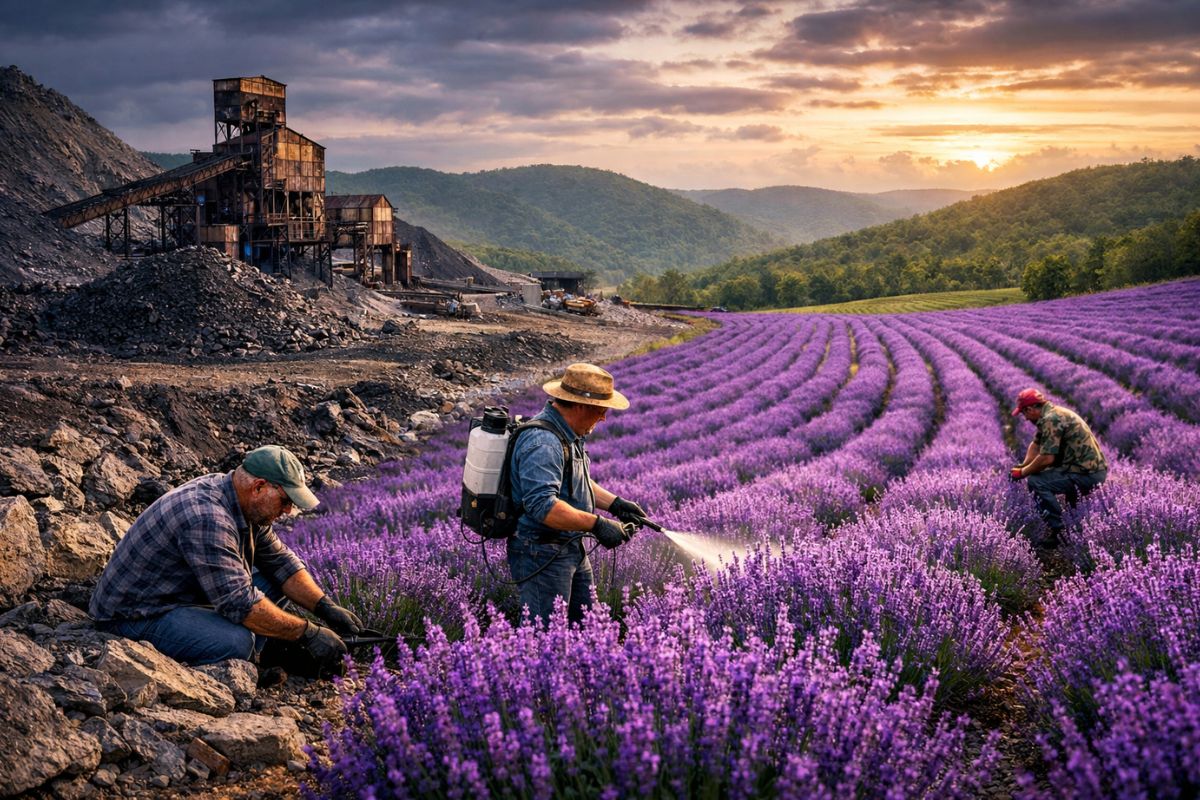
In Ashford, In Boone County, The Appalachian Botanical Company Has Occupied An Old Mine Since 2019 And Treats The Area As Desert: Rocky, Compacted, Potentially Toxic Soil. Lavender Tolerates Nutrient Poverty, Is Harvested In Summer, Becomes Oil And Creams, And Only Grows After Reports Rule Out Heavy Metals.
What Was Once Seen As Desert After A Decade Of Mining May Gain Another Color When The Logic Changes: Instead Of Trying To “Return To What It Was,” Ex-Miners Began Rebuilding The Use Of The Land With Lavender In An Abandoned Coal Mine Area In West Virginia. The Surprise Is Not The Flower, But The Place Where It Insists On Growing.
The Farm Emerges In A Scenario Where Mining Ruined Millions Of Hectares In The United States And Left Effects That Don’t End When The Coal Runs Out. Pollution Can Continue For Decades, Sometimes Much Longer, And It Is In This Interval Between The Legal Obligation To Recover And The Reality Of Exposed Soil That Lavender Becomes A Test For The Future.
From Abandoned Mine To Purple Sea: Why Lavender “Accepts” Poor Soil

The Starting Point Is Uncomfortable: The Ground Doesn’t Seem Like Soil; It Seems Like Rock. An Ex-Miner Describes The Site As A True Desert, Because The Fertile Layer Has Been Turned Over, Mixed, And Compacted, Leaving A Hard Base That Is Difficult To Work With.
-
Amid the United States’ economic blockade, China delivers 15,000 tons of rice to Cuba as part of a 60,000-ton donation personally approved by Xi Jinping. The package includes 80 million dollars and solar panels for hospitals.

-
For around 200 reais, anyone can buy a kit and have a chip implanted between their fingers to replace cards, keys, badges, and even medical information in case of a hospital emergency.
-
A 600-meter hill in the interior of Santa Catarina hides a volcanic past of almost 600 million years. The Morro do Garrafão in Corupá may have been an ancient extinct volcano, and science now confirms what the residents have always suspected.
-
Family has lived for over 50 years without electricity and running water at home in the South of Minas, 10 minutes from the city, improvising light, bath, and water while facing a lack of basic resources and awaiting property regularization.



Lavender, However, Has An Advantage: It Likes Poor Soils, Where Other Crops Struggle To Establish Themselves.

This Detail Changes The Game Of Recovery. Instead Of Relying On “Perfect Land” That No Longer Exists, The Farm Anchors Itself In A Plant That Tolerates Nutrient Restrictions And Can Still Contribute To The Process: The Sweet-Scented Herb Can Reduce The Presence Of Toxic Heavy Metals In The Soil, Which Doesn’t Eliminate The Risk By Itself, But Opens A Practical Path To Reoccupy An Area That Got Stuck Between The Past And Abandonment.
Mined Area Recovery Is Not Just Planting: It Is Working On The Physics Of The Desert

Recovering A Mine Involves Reconstructing The Landscape After An Extreme Impact: Drilling, Blasting, Deep Trenches, Displacement Of Soil And Rocks.
Then, Part Of This Material Comes Back To Reshape The Relief, And The Area Is Compacted To Prevent Erosion And Surface Runoff.
The Problem Is That Compacting Protects From One Side And Makes It Difficult From The Other: The Soil Becomes Hard, With Less Space For Roots And Water To Circulate.
That Is Why The Question “Does The Place Return To Being Like It Was Before?” Stays Open. An Old Mine Can Become Many Things Prairie, House, Farm, But That Doesn’t Mean Recovering The Past Exactly As It Was.
And Even When The Surface Seems “Neat,” There Are Still Exposed Layers That Spent Millennia At The Bottom Of The Earth, And Upon Encountering Water, Can Become Chemically Active, Releasing Pollutants For Decades, If Not Hundreds Of Years. The Desert, In This Case, Is Also Invisible.
Soil And Heavy Metal Tests: The Condition For Purple Not To Become A Risk

The Farm Only Makes Sense If There Is Control. That’s Why There Is A Routine To Ensure That Soil Test Results Are Delivered To Confirm That There Are No Heavy Metals Or Toxins Of Any Kind.
Lavender Can Help, But It Doesn’t Replace Reports And Monitoring, Because The Risk Is Not Only With The Plant: It Is With The History Of The Land And What It Can Release Into Water And Air.
This Care Even Appears In Nearby Areas That Still Cause Concern: There Is “Stagnant” Dirty Water And Places Where People Aren’t Even Allowed To Enter.
The Fear Is That Mining Companies Will Eventually Go Bankrupt And Leave The Land Partially Recovered Or Not At All Without Fulfilling Obligations.
When Recovery Stops In The Middle, The Desert Prolongs, And What Was Supposed To Be Mitigation Becomes A New Source Of Problems, With The Potential To Worsen Flooding And Landslides.
From Harvest To Essential Oil: How The Farm Tries Not To Waste Anything

The Work Of The “Purple Sea” Is Not Just Visual; It Is Physical And Technical. Harvesting Takes Place Throughout Summer And Early Fall, And The Operation Uses All Parts Of The Flower To Avoid Waste: Buds Are Cut, Stems Are Tied For Sale And Culinary Use, And Even Small Chopped Pieces Of Leaves Are Saved And Planted To Multiply The Lavender.
The Logic Is Simple: Every Gram Counts When The Soil Charges Dearly For Each Seedling.
The Transformation Moves To Distillation. Water Is Boiled To Steam Distill About 40 Pounds Of Lavender And Produce Essential Oil; Since The Oil Is Lighter Than Water, It Floats And Can Be Separated.
The Oil Is Filtered Three Times Before Being Bottled, And The Flowers Also Become Creams, Honey, Salt, And Hand Sanitizer.
In The End, The Remaining Plant Biomass Is Turned Into Compost. In A Desert Of Stone, The Closed Cycle Becomes Part Of The Survival Strategy.
Jobs In The Post-Coal Era: When Recovering The Desert Includes People
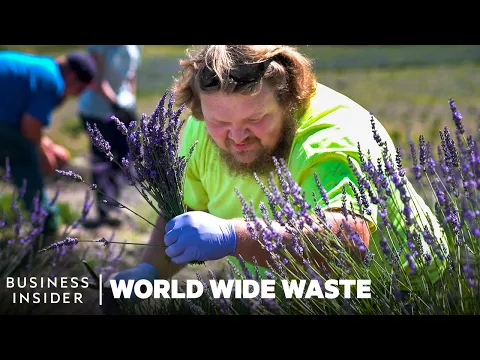

The Change In Course Is Clear In The Names And Trajectories: Ex-Miners Who Never Imagined Harvesting Flowers In Mined Areas Now Work On The Farm And Call It Home. It Is A Shift Of Professional Identity, From Underground To The Field, And It Doesn’t Happen Without Strangeness.
The Turn Here Is Not “Changing Jobs,” It Is Changing Worlds, While Keeping The Same Geography That Previously Depended On Coal.
In Addition To Employing Ex-Miners, The Farm Also Hires Individuals In Long-Term Recovery From Substance Abuse. For Those Who Receive The Opportunity, The Work Serves As A Public Proof Of New Beginnings: The Past Doesn’t Disappear, But It Stops Being A Sentence.
The Idea Of Recovery, Then, Gains Another Layer: It Is Not Just Rehabilitating The Land; It Is Rehabilitating Community Ties, In A Region Where Coal Is Disappearing And The Economic Void Can Turn Into Another Desert, Now Social.
The Size Of The Problem And The Money Of The Solution: From The Landmark Of 1977 To The Current Impasse

The National Scale Helps To Understand Why A Farm Attracts So Much Attention. Coal Companies Became Legally Responsible For Cleaning Up Old Mines In 1977; Before That, Many Areas Were Simply Abandoned.
There Are Over 6 Million Acres Of Abandoned Coal Mines In The Country, Releasing Heavy Metals And Other Toxins Into Water And Air.
When We Talk About “Recovering,” The Number Behind It Is So Large That It Is Scary, And This Explains Why Well-Executed Projects Are Still Rare.
There Are Also Parallel Initiatives, Such As Reforestation In An Area Of 2,500 Acres Of An Already Recovered Open-Pit Mine, Where Cultivating Trees In Compacted, Rocky Soil Requires Digging 90cm To 1.20m To Enable Planting.
And Funding Becomes A Dispute: The Biden Administration Committed To Invest US$ 260 Million In Recovery Efforts For States And Tribes, And The Farm Hopes To Use Part Of The Money To Expand And Create A Regional Community Center.
At The Same Time, A Political Obstacle Arises: A Proposed Infrastructure Project Would Reduce Taxes On Coal Production That Fund These Projects. Without Constant Resources, The Desert May Win Again From Fatigue.
The Image Of Purple Amidst The Stone Moves Anyone, But What Sustains This Transformation Are Difficult Decisions: Soil Tests, Recovery Rules, Continuous Work, And Money That Cannot Fail Along The Way.
If Your Region Had A “Desert” Left By An Old Industry, What Would You Bet On As The First Step: Cleaning The Water, Breaking The Soil Compaction, Or Creating Immediate Jobs To Support The Community?
And, To Be Direct: Would You Trust Agricultural Products From A Mined Area If Reports Were Transparent And Recurring, Or Would You Still Feel Insecure?







-

2 people reacted to this.