






 Portuguese
  Spanish


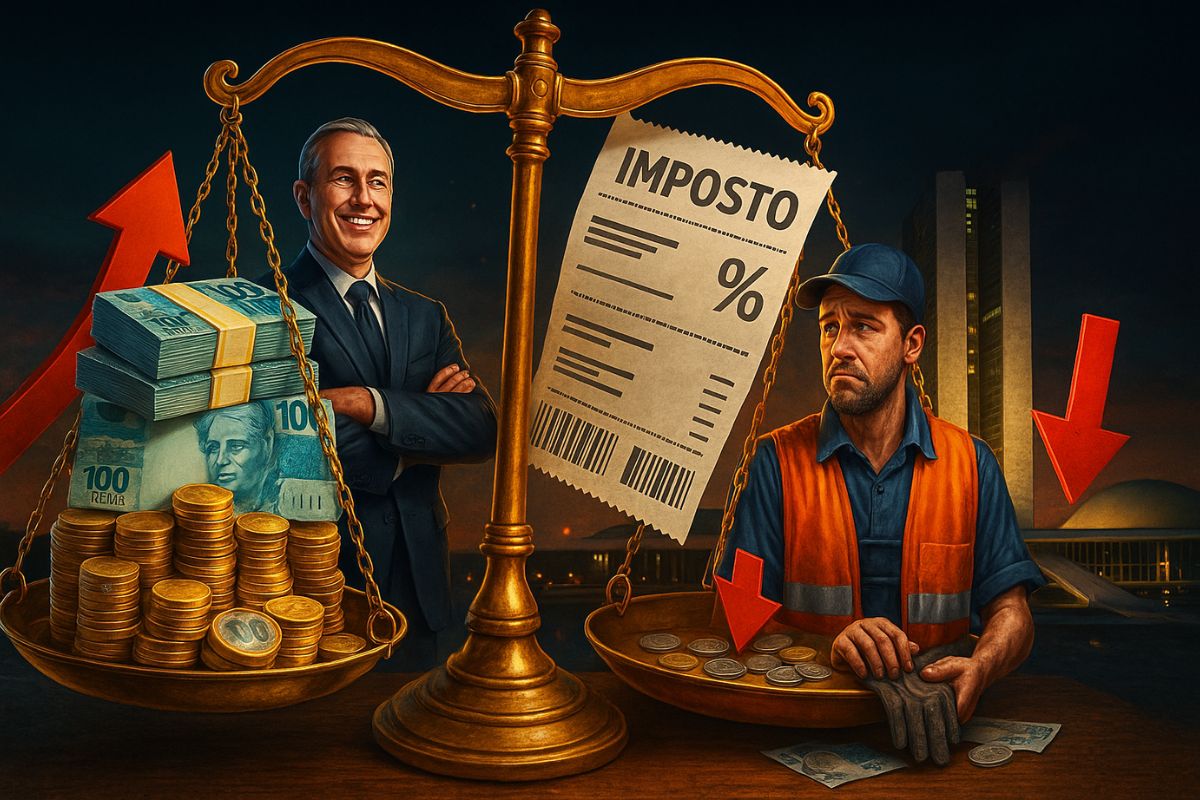


Brazil Gave Up on a Tax Cashback Mechanism for the Poorest, Already Tested in Uruguay and in States Like Rio Grande do Sul, and Preferred to Reduce the Rate for Everyone. In Practice, the Policy Ended Up Benefiting Those Who Did Not Need It and Forcing Tax Increases in Other Sectors.
The debate on fiscal justice in Brazil gained a critical point with the decision not to implement the tax cashback for the poor, a simple mechanism that has been functioning in Uruguay and states like Rio Grande do Sul. The proposal, which would return part of the taxes to low-income families, was replaced by a reduction in the rate of basic food items for everyone — equally benefiting both the rich and the poor.
According to experts like Aod Cunha (former Secretary of Finance of RS and advisor to companies like Gerdau and Vibra) and Jefferson Bittencourt (former Secretary of the National Treasury and current Head of Macroeconomics at ASA Investments), this choice distorted the logic of tax reform and increased pressure on other sectors of the economy.
How Tax Cashback Works
The tax cashback model is based on a simple principle: low-income individuals pay normally at the register, but the system automatically refunds the tax amount, usually through the bill of the card or the CPF linked to social programs.
-
Couple Sold Their Home to Save Business, Now Run Platform Handling $180 Million Monthly and Managing Over 51 Million Listings

-
Brazil’s 2026 Tax Refund: Record 9.58 Million Filers in Largest Payout Ever, But a Key Detail on Priority Recipients Draws Nationwide Attention

-
Itaú Alters Hybrid Work Model, Increasing Office Days from 2028, Prompting Employees to Adjust to New Routine
-
Facing Labor Shortage, Japan Plans to Invest $34 Million to Attract Foreign Workers in Construction, Healthcare, Industry, and Commerce





In Uruguay, the policy has been in operation for over a decade and helps balance the system, ensuring that those with lower incomes are not penalized by the high burden of indirect taxes. In Brazil, Rio Grande do Sul tested a similar initiative, returning part of the ICMS to families registered in the Single Registry.
Why the Proposal Did Not Advance in Brasília
During the processing of the consumption reform, a national model was proposed that would link cashback to the Bolsa Família. Thus, beneficiaries would be able to use the program card and receive back the tax portion on essential products.
However, Congress rejected the proposal. A general reduction in the basic food items rate was chosen instead, which extended the benefit to higher-income families as well. In practice, those who did not need it started receiving the same discount, and the government was forced to raise the modal rate applied to other products to compensate for loss of revenue.
Social and Economic Impacts of the Decision
Experts claim that this choice reflects Brazil’s historical difficulty in targeting social policies. By expanding benefits to everyone, the country ends up wasting resources that could be applied to health, education, and security.
Aod Cunha emphasizes that the decision increases the regressivity of the system: “A historical injustice was not corrected, and a model that protects those who do not need it was maintained.” Bittencourt warns that the lack of targeting reduces public spending efficiency, creating distortions that compromise fiscal balance in the medium term.
A Cultural and Political Problem

The case of tax cashback for the poor reveals a larger problem: the difficulty in accepting that public policies should be targeted to those who truly need them. In programs like Farmácia Popular, for example, anyone with a medical prescription can get free medications, including high-income individuals. This lack of criteria generates waste and pressures the budget.
As long as the distributive logic does not change, Brazil will continue to create broad, expensive, and poorly targeted policies that disproportionately help the wealthier classes and leave the most vulnerable uncovered.
Do you think that tax cashback for the poor should have been approved? Would this model work in Brazil, or is the general rate reduction the right path? Leave your opinion in the comments — we want to hear from those who live this in practice.









Os governantes são bons em fazer doação com o chapéu alheio. O que precisa é focar na saída do BF. Cadastro de emprego pra quem entrou. Chamar o beneficiado. Avisando: “arrumamos entrevista em tal lugar”. Não foi, seu benefício é cortado. Simples assim.
ISSO porque somos ‘****’ imagina se fôssemos capitalistas.