






 Portuguese
  Spanish


A Leap in Solar Energy
The Northern Region of Brazil has witnessed a revolution in Distributed Generation (DG), with an impressive increase in connections, jumping from 5,300 in 2019 to 55,600 in 2023. The driving force behind this significant expansion is the advancement of photovoltaic solar energy, a sector that has been transforming the energy landscape of the region.
ANeel (National Electric Energy Agency) revealed that currently more than 429 municipalities in the North have active photovoltaic systems, totaling an operational capacity of an impressive 1.7 GW (gigawatts). This growth not only highlights the region’s potential for renewable energy but also marks a crucial transition towards more sustainable and autonomous energy consumption practices.
Pará Leads, While Other States Follow
On the national scene, Pará stands out, ranking 13th in DG, with other states in the region closely following. Despite some states being at the bottom of the list, such as Acre, Amapá, and Roraima, Túlio Fonseca, CEO of Energy Brasil, sees this not as a disadvantage, but as a vast opportunity for growth and investment in the photovoltaic solar energy sector.
-
Brazilian scientists are simultaneously advancing two research projects on clean hydrogen and driving solutions that could transform the energy matrix, enhance industrial competitiveness, and accelerate large-scale emission reduction targets.

-
Advancement in renewable energy: A R$ 150 million project launched by Petrobras and Finep aims to create state-of-the-art electrolyzers for green hydrogen, strengthening national research and preparing Brazil to compete in a billion-dollar energy market.
-
Solar energy can increase property value by up to 10% and become a selling point.
-
Illiterate or semi-literate grandmothers were trained to repair solar systems, open rural workshops, and light up homes that still depended on kerosene.


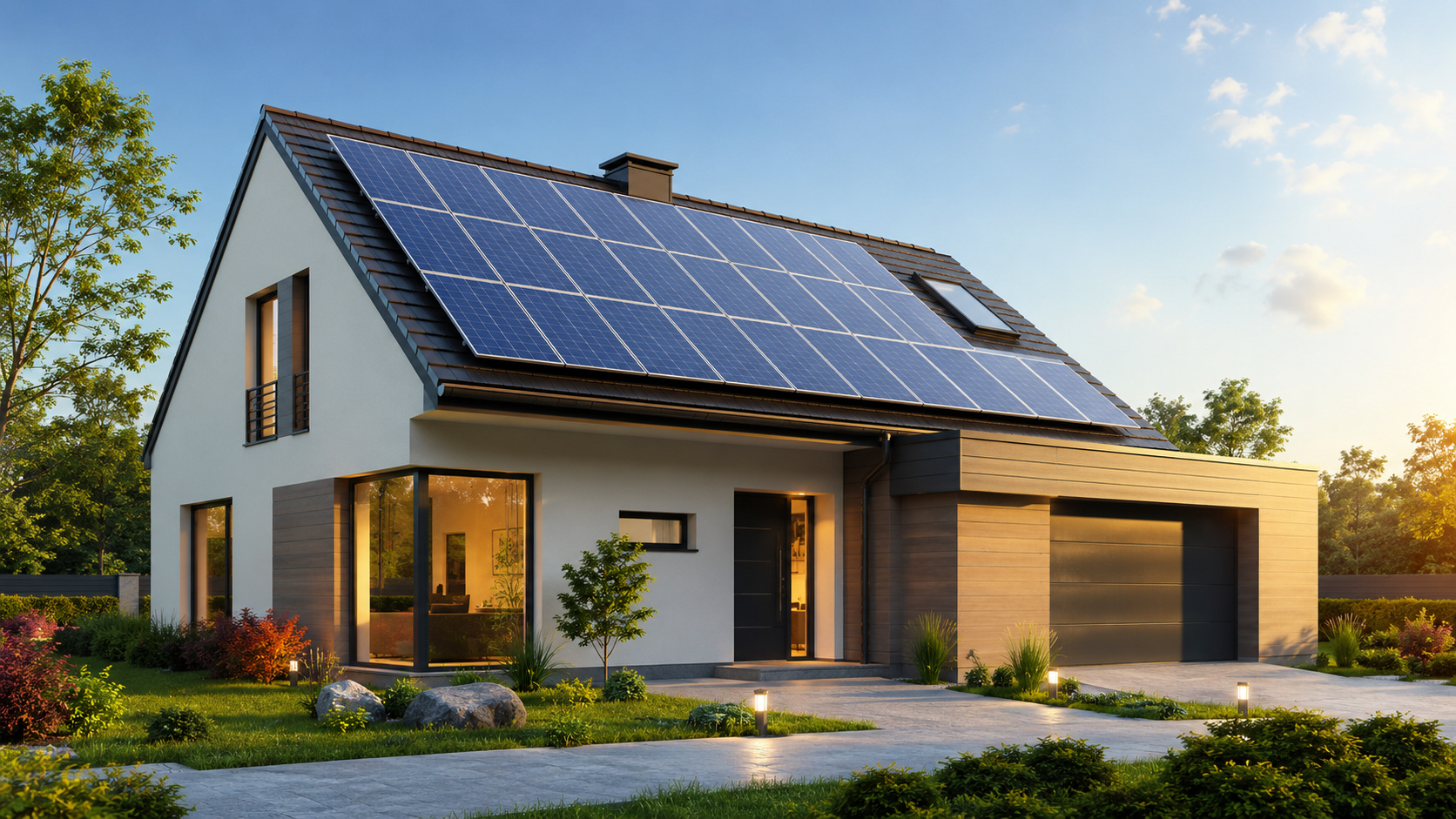

Túlio emphasizes the positive impact that solar energy has brought to the socioeconomic development of Brazilian municipalities, from job creation to boosting the local economy, not to mention the significant reduction in carbon emissions and the cost-saving benefits for families and businesses.
Optimism on the Horizon and New Opportunities
Expectations for the North in 2024 are optimistic, especially due to government initiatives to encourage the electricity sector, such as the integration of important municipalities into the National Interconnected System (SIN). Túlio Fonseca expresses confidence in the energy transition as a one-way path, overcoming past obstacles and gaining the trust of the population in the viability and value of solar energy.
With the maturation of the sector across the country, new and attractive solutions emerge for investors and consumers, such as the Free Energy Market, Energy Subscription (Energy Plus), and Investment Plants (Energy Investment), offering monthly profitability through the leasing of photovoltaic structures.
The CEO of Energy Brasil highlights the importance of constant innovation and adaptation for industry professionals, in order to meet the growing needs of customers. The continuous development of new products and services, combined with solid technical knowledge, is essential to convey trust and seriousness to consumers.
Conclusion
Energy Brasil, as an ecosystem of solutions in energy efficiency and management, seeks investors to expand its franchises in the Northern region, promising a future of innovation and sustainability. The region is on the brink of a renewable energy era, with Distributed Generation leading the way for a sustainable and economic transformation.
Source: Daniela Fenti.








Be the first to react!