Portuguese
  Spanish


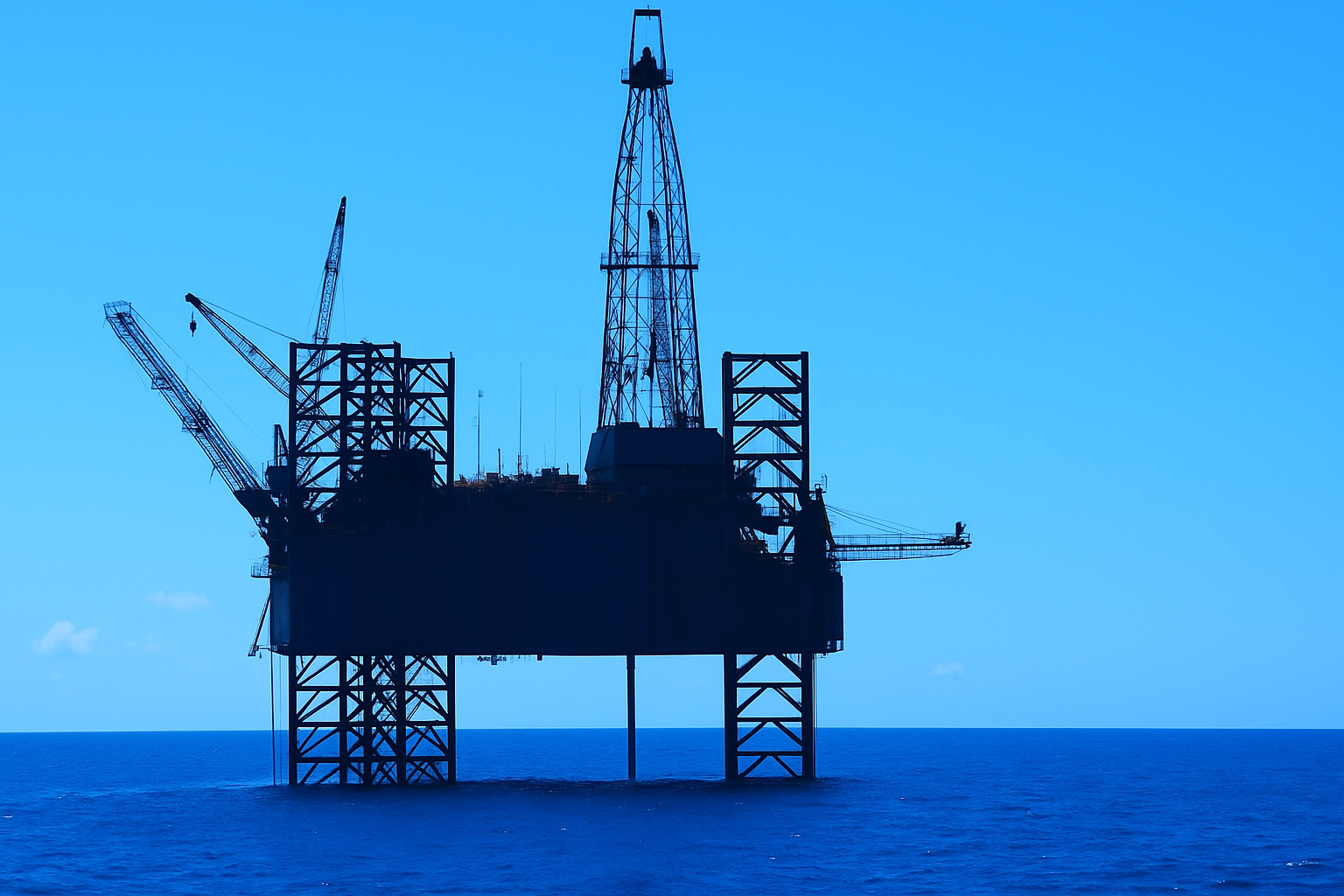

Discover How Oil Exploration in Brazil Advances Responsibly, Combining Production and Sustainable Energy Transition.
Oil exploration in Brazil has always played a central role in the economy and development of the country.
In fact, since the first efforts to discover and extract oil on Brazilian soil, the sector has undergone profound transformations. These changes reflect not only technological advances but also shifts in how society and government understand energy.
Therefore, today, the discussion about the compatibility between oil exploration and energy transition has become essential, especially as the world seeks cleaner and more sustainable energy sources.
Historically, oil exploration in Brazil began modestly in the early 20th century, with discoveries in small onshore reserves.
However, for many years, national production was insufficient to meet domestic demand, which led the country to depend on oil imports.
Thus, the creation of Petrobras in 1953 marked a decisive milestone in this scenario.
The state-owned company was tasked with coordinating the exploration, production, and refining of oil, and quickly became a symbol of Brazilian energy sovereignty.
Moreover, in the 1970s, with the oil crisis, Brazil began to invest in own technology and geological research.
The goal was to reduce external dependence. Consequently, it was during this period that the first deep-water drilling began.
These drills paved the way for what would become the pre-salt decades later.
In fact, the discovery of the pre-salt in the early 21st century brought a new perspective to the country. The gigantic oil reserves in ultra-deep waters have the potential to transform Brazil into one of the leading global producers.
-
Brazil’s ANP Opens 86 New Oil Blocks in the Equatorial Margin, Expanding the Amazon River Mouth Frontier

-
OPEC+ Boosts Oil Supply by 188,000 Barrels per Day in July 2026, Leading to Price Drop from $112 to $89 per Barrel in Under Two Months

-
TotalEnergies Signs 20-Year Deal to Purchase 2 Million Tons of LNG from Alaska, Boosting Project Viability
-
Turkey Deploys Çağrı Bey Drilling Ship to Explore New Oil Frontier Off Somalia’s Coast
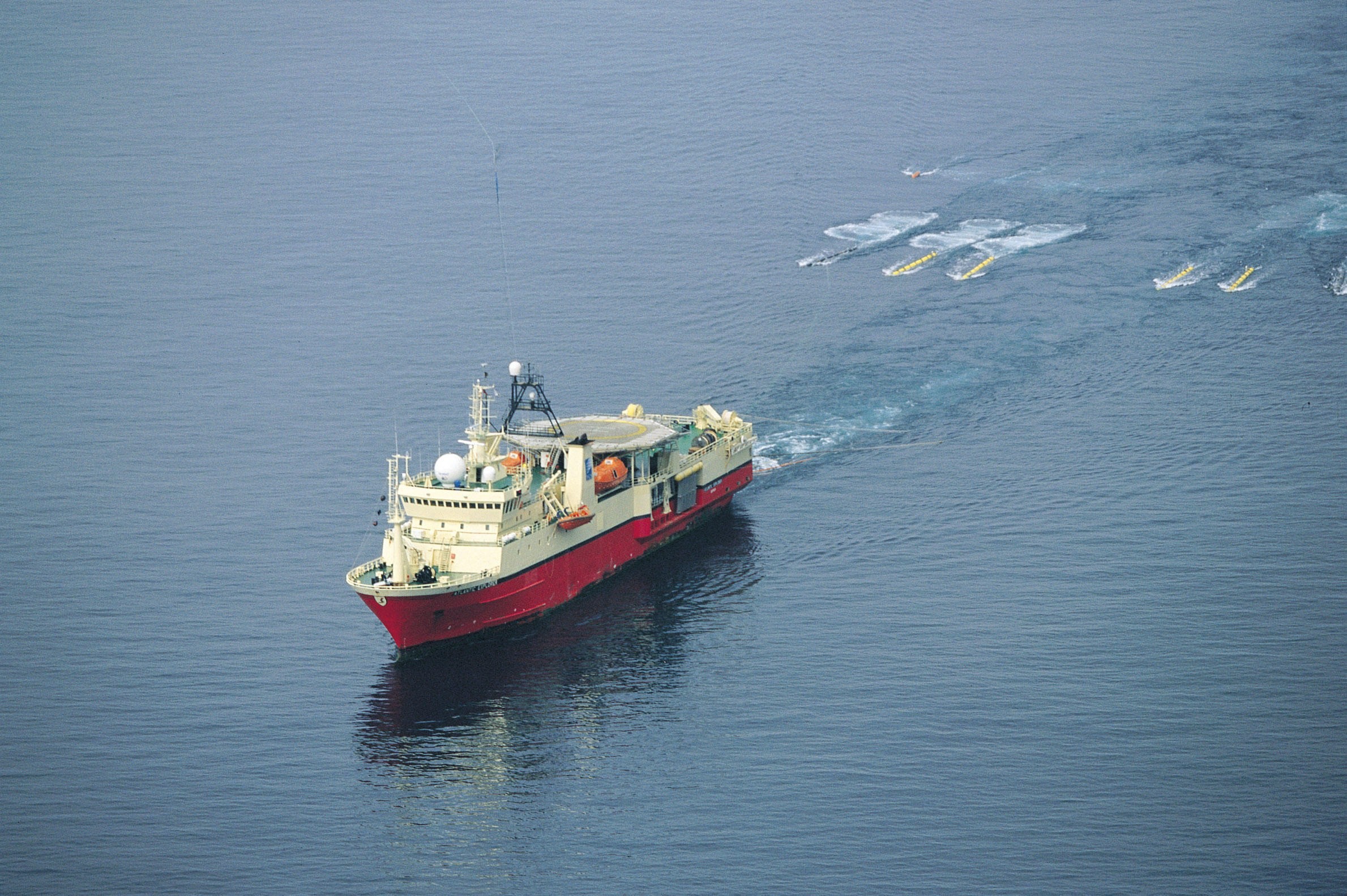
Thus, the Brazilian pre-salt, located mainly in the Campos and Santos Basins, represents a remarkable technological and economic advance.
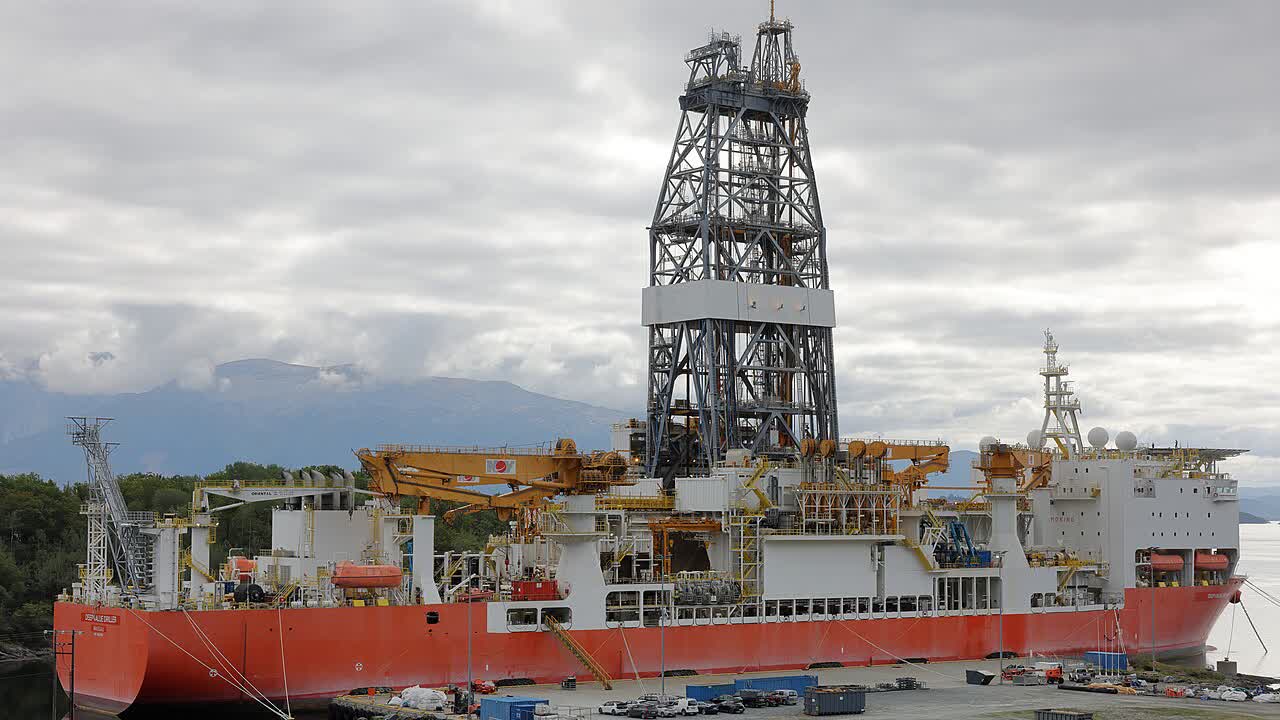
Furthermore, the reserves in deep waters require specialized equipment, advanced technical knowledge, and substantial investments.
Consequently, this historical context shows that oil exploration in Brazil has always been marked by challenges, but also by innovation and adaptation.
Thus, each stage of production in the pre-salt reinforces the country’s ability to reconcile economic growth and environmental responsibility.
Compatibility with the Energy Transition
Recently, the general director of the National Agency of Petroleum, Natural Gas and Biofuels (ANP), Artur Watt, highlighted that maintaining exploration and production activities for oil in Brazil is completely compatible with the advancement of the energy transition.
In fact, this statement reflects a modern understanding of the role of oil in the global energy landscape.
At the same time, countries are seeking to reduce carbon emissions and invest in renewable sources like solar, wind, and biofuels.
However, oil remains essential to meet immediate energy demand and ensure economic stability.
Additionally, the model of pre-salt exploration auctions, which uses the production sharing system, reinforces the strategy of leveraging natural resources in a planned and sustainable way.
In this model, the winning companies are those that offer the highest percentage of oil to the Union, while the signing bonuses are fixed.
Thus, this type of policy seeks to balance public and private interests.
As a result, the benefits of oil exploration in Brazil return to society, either through investments in infrastructure, social programs, or technological development.
On the other hand, another relevant point is the recent authorization granted by Ibama for Petrobras to carry out a exploratory well in the Amazon River Mouth Basin.
Thus, the goal of this project is to assess the presence of oil in the deep waters of Amapá and open a new exploratory frontier.
Consequently, this type of initiative shows that the country continues to invest in research and innovation without compromising its commitment to environmental preservation.
Therefore, responsible exploration is a pillar of the sustainable growth of the Brazilian energy sector.
Furthermore, advanced exploration projects incorporate environmental monitoring technologies and systems for gas and CO₂ capture.
This demonstrates that it is possible to balance production and environmental protection.
In this manner, the Brazilian oil industry has adopted practices for impact reduction and energy efficiency.
It is gradually aligning with international sustainability standards.
Thus, this movement reinforces that oil exploration in Brazil can coexist with low carbon policies.
The Role of Oil in the Energy Matrix
When analyzing the role of oil in Brazil in the context of the energy transition, it is important to consider the diversity of energy sources in the country.
In fact, Brazil has a relatively clean energy matrix, thanks to the predominance of hydropower.
However, the growth of energy demand and the need for diversification make oil a strategic resource.
Thus, it not only ensures energy security but also finances the development of new technologies and investment in renewable sources, creating a more sustainable energy cycle.
Moreover, the oil sector in Brazil generates significant impacts on the economy and employment.
Therefore, from exploration to refining and distribution, thousands of people directly or indirectly depend on this production chain.
Historically, the oil industry has been a motor of regional growth, especially in states like Rio de Janeiro and São Paulo, where offshore operations and research centers are concentrated.
Thus, the economic development provided by the sector shows that oil can coexist with sustainability policies, as long as there is efficient regulation and investment in clean technology.
Additionally, the concept of energy transition does not mean the immediate abandonment of oil, but rather the integration of renewable sources and the gradual reduction of dependence on fossil fuels.
Therefore, oil exploration in Brazil should be seen as a bridge between the traditional energy model and a more sustainable future.
With adequate public policies, investment in research, and technological innovation, it is possible to produce oil responsibly.
At the same time, the expansion of clean energies is promoted.
In addition, investment in refining and petrochemical technologies has the potential to add value to the oil produced in Brazil.
As a result, derived products such as plastics, fertilizers, and high-performance fuels contribute to the national economy and strengthen the production chain.
Thus, this integrated approach allows the country to maximize resource utilization, reducing waste and increasing international competitiveness.
Governance and Future of the Sector
The recent history of oil exploration in Brazil also highlights the role of regulation and governance.
Indeed, the ANP plays a strategic role by establishing rules, promoting transparent auctions, and ensuring that the country’s resources are explored with efficiency and responsibility.
Thus, this governance is crucial to align economic, environmental, and social interests, reinforcing the idea that oil can coexist with energy transition initiatives.
Finally, it is essential to recognize that the future of energy in Brazil will be hybrid, combining oil, natural gas, hydropower, wind, solar, and biofuels.
Thus, oil exploration in Brazil remains a key piece in this energy puzzle.
At the same time, investments in innovation and technology ensure that the sector evolves in a sustainable manner, reducing environmental impacts and contributing to a more resilient economy.
Therefore, in summary, oil exploration in Brazil is not an obstacle to the energy transition, but rather a strategic and complementary component.
Historically, the country has demonstrated the capacity to face technical, economic, and environmental challenges.
Today, oil production in Brazil, especially in the pre-salt, combines efficiency, responsibility, and innovation, showing that it is possible to balance economic growth and sustainability.
Thus, recognizing this compatibility is essential to ensure that Brazil continues to be a relevant player in the global energy landscape, without giving up its commitment to a cleaner and more balanced future.