Portuguese
  Spanish


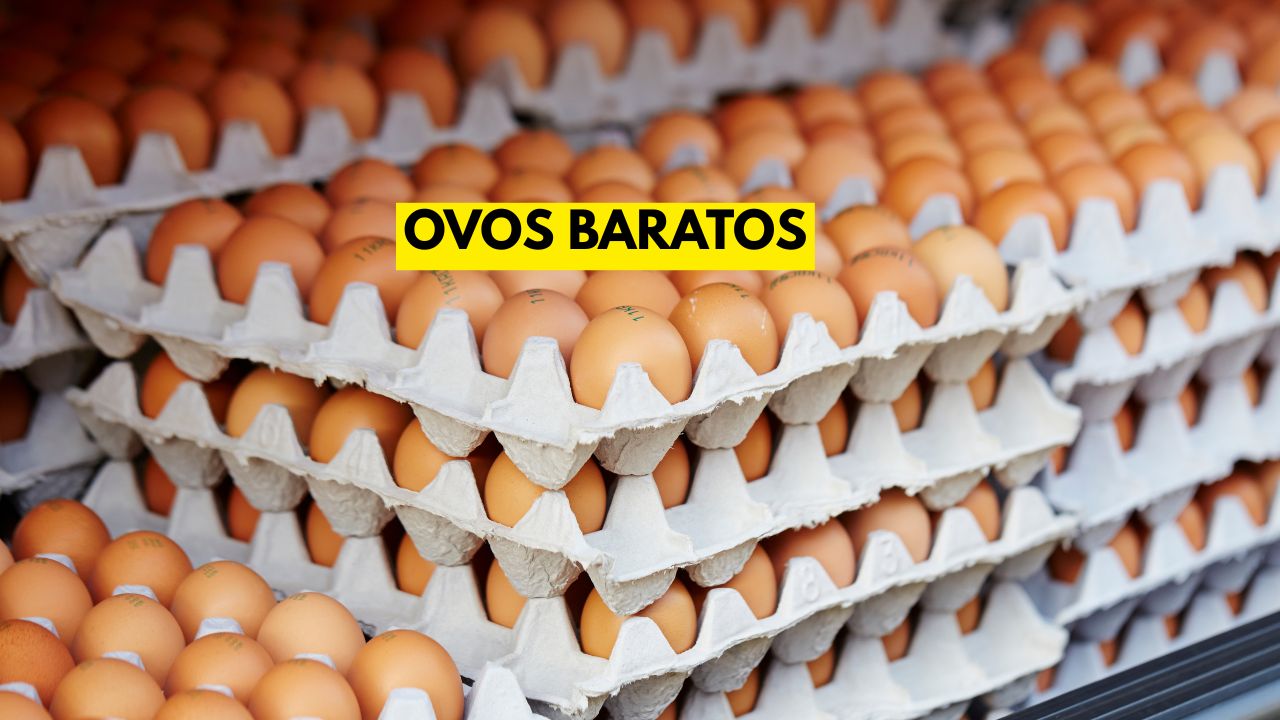


In Bastos (SP), White And Red Eggs Posted The Lowest Prices Since Nov/2024. According To Cepea, Greater Domestic Supply And Weak Demand Drive The Drop — And Abroad, The USA Decrease As A Destination While Japan Takes Over.
According to the Center for Advanced Studies in Applied Economics (Cepea), linked to the University of São Paulo (USP) in Piracicaba (SP), the average monthly prices of white and red eggs in Bastos (SP) reached “the [prices] lowest of the year, in real terms, deflated by the General Price Index (IGP-DI) of August 2025.”
White Eggs: R$ 128 per crate on October 31, 2025.
Red Eggs: R$ 145 per crate.
-
Controversial 6-day Workweek Elimination in Brazil Faces Economic Criticism Over Productivity Claims

-
Itaú to Refund Customers After 14 Years of Unauthorized Credit Card Charges; Agreement Includes No Interest or Adjustments, Deadline by 2028, with Potential Impact of Up to $6.5 Billion

-
Brazilian Company Grows from Bartering Soap for Food to Producing 30 Million Units Monthly, Challenges Global Giants with $100 Million Revenue and Expands into Premium Cosmetics
-
Petrobras and Engeko’s New Investment Plan Promises Billions and Thousands of Jobs, Capturing Market Attention


In August 2025, the values were R$ 149 (white) and R$ 164 (red).
Researchers note that the decline intensified in the second half of October, reflecting greater availability of the protein in the domestic market and weakened demand — marking the second consecutive month of decline.
Brazilian Egg Exports Decrease In The 3rd Quarter
Despite the highs recorded throughout 2025, Brazil’s egg exports fell in the third quarter of 2025, according to data from the Secretariat of Foreign Trade (Secex) compiled by Cepea.
The reduction is associated with lower demand from the United States, which lost its leading position among buyers to Japan after tariffs imposed by the U.S. government.
Even so, the volume exported between July and September was a record for the historical period: 9,460 tons, 42% below the previous quarter, but 99.8% higher than the same period in 2024.
Change Of Leadership In Export Destinations
In August 2025:
The USA purchased 2,130 tons of fresh and processed eggs, a volume 60% lower than July, but 72% higher than August/24.
“Japan became the main destination for national protein last month, purchasing 578 tons of eggs, 29% more than in July. Despite the retraction in the last two months, this year’s partial performance remains positive,” states Cepea.
Drop In External Sales Already In July
The first interruption of the trend of rising exports occurred in July 2025, with a decrease of 20% compared to June, driven by a 31% reduction in sales to the USA.
“According to data from Secex, compiled and analyzed by Cepea, Brazil shipped 5,260 tons of fresh and processed eggs in July, a volume 20% lower than in June,” highlights Cepea.
Even so, between January and August, Brazil exported about 32,300 tons, 192.2% above the same period in 2024 and already 75% higher than the total for 2024.
Domestic Price Trend: Rise In August, Then Drop
In August, domestic egg prices started the month on the rise in most regions monitored by Cepea, reflecting the end of the school holidays and the start of the month, when consumption typically increases.
Average Prices on 08/08/2025 (crate with 30 dozen):
- Bastos (SP): white egg R$ 154.87 (+3.88%/day); red egg R$ 170.10 (+5.95%/day)
- Grande BH (MG): R$ 164.08 (+3.37%) and R$ 179.90 (+3.30%)
- Recife (PE): R$ 170.15 (+5.83%) and R$ 182.92 (+5.12%)
- Grande SP (SP): R$ 162.42 (+4.38%) and R$ 177.28 (+5.01%)
- Santa Maria de Jequitibá (ES): R$ 161.15 (+3.71%) and R$ 172.15 (+1.02%)
In June, on the other hand, prices reached their lowest levels of the year in many producing regions.
Example in Bastos: white eggs dropped from R$ 169.52 to R$ 159 and red eggs from R$ 191 to R$ 177 between June 16 and 26.
Cepea emphasizes that “this depreciation was related to the demand retraction and the increase in supply in some areas, and not to the report of Highly Pathogenic Avian Influenza (HPAI) in a commercial farm in Montenegro (RS).”
Pressure On Production Costs
In 2024, the increase in primary inputs (corn, soybean meal) combined with the drop in egg prices reduced producers’ profitability.
Investments in climate control and packaging further pressured the production chain.
Source: g1