






 Portuguese
  Spanish


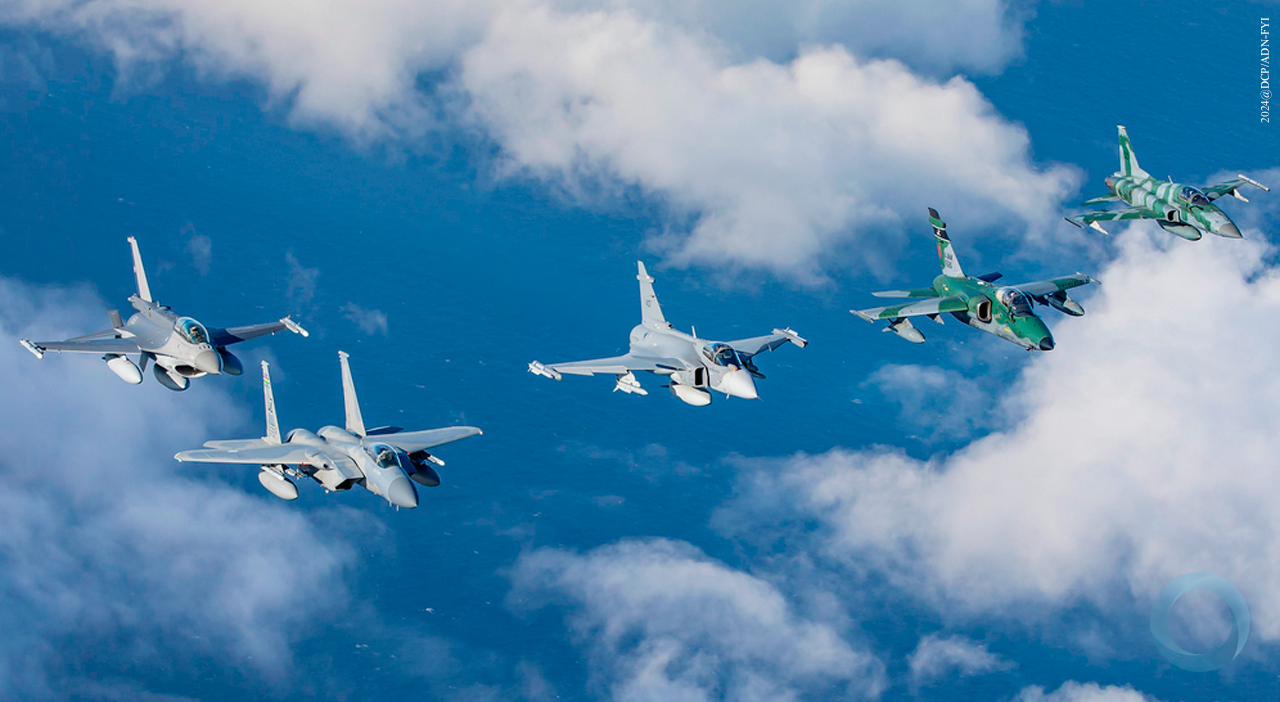


Brazil Advances in Military Independence: Air Force Develops Own Air Traffic Identification System and Negotiates the Powerful BrahMos NG Missile, with a Range of 800 km, Strengthening Its Strategic Defense.
The Brazilian Air Force – FAB has reached a historic milestone by developing a friend or foe identification system (IFF), strengthening its presence among nations that dominate this technology. At the same time, Brazil is making progress in negotiations to purchase the BrahMos NG cruise missile, positioning itself as an emerging power in the global scenario.
Understand the Importance of the FAB Air Traffic Identification System
These achievements reinforce the country’s ability to innovate and achieve technological independence in defense, traditionally dominated by foreign powers. The capability of the air traffic identification system is fundamental for any modern air force.
This resource, technically called IFF (Identification Friend or Foe), allows fighters, ships, radars, and air defense systems to identify aircraft in real-time, optimizing actions during combat operations.
-
U.S. Navy’s Ticonderoga-class Cruiser Becomes a 9,800-Ton Missile Fortress with Advanced Aegis System Capable of Tracking Hundreds of Targets

-
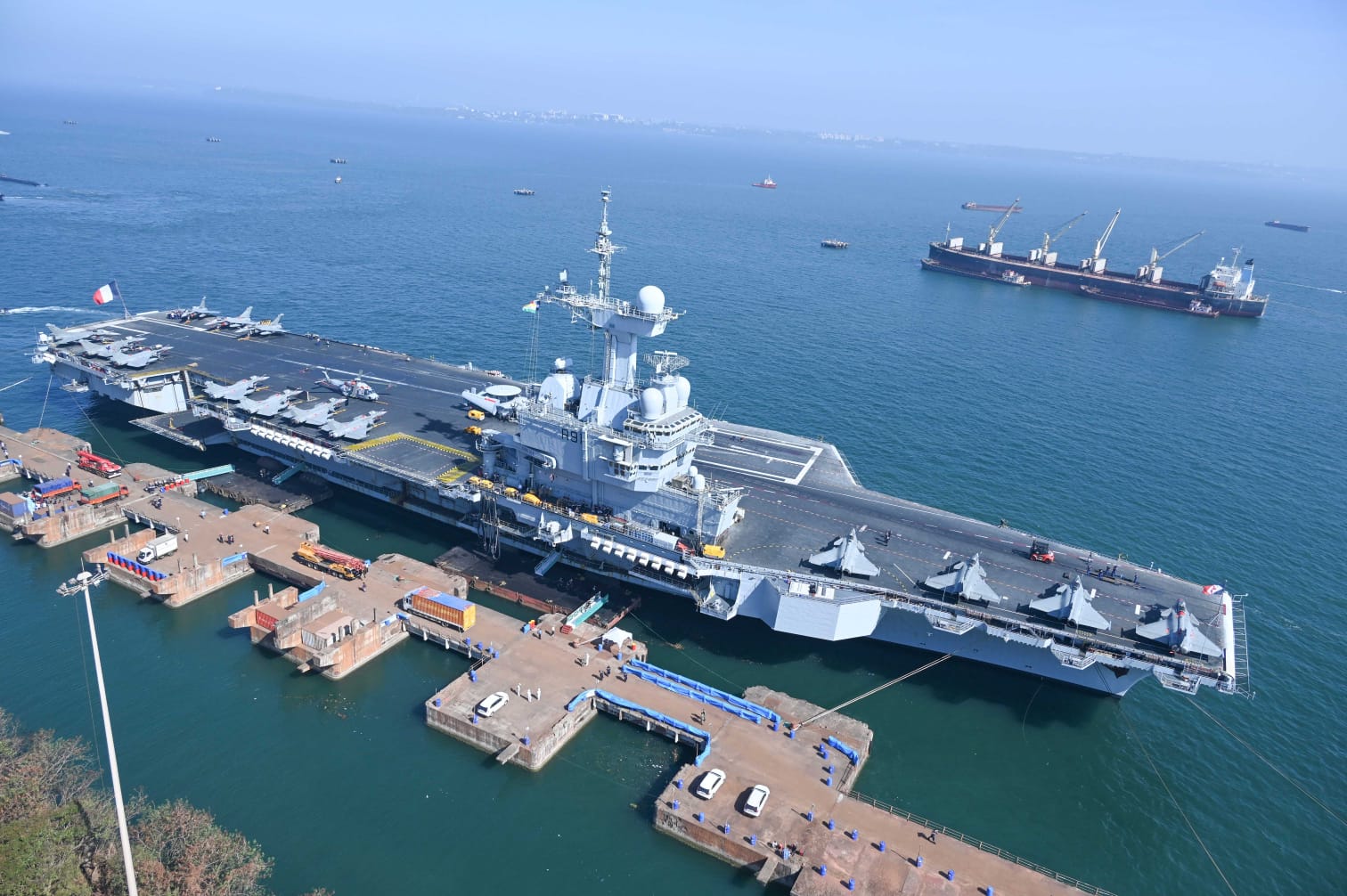
France’s Charles de Gaulle: The Sole Nuclear-Powered Aircraft Carrier Outside the US, Weighing 42,500 Tons and Equipped with Two Atomic Reactors

-
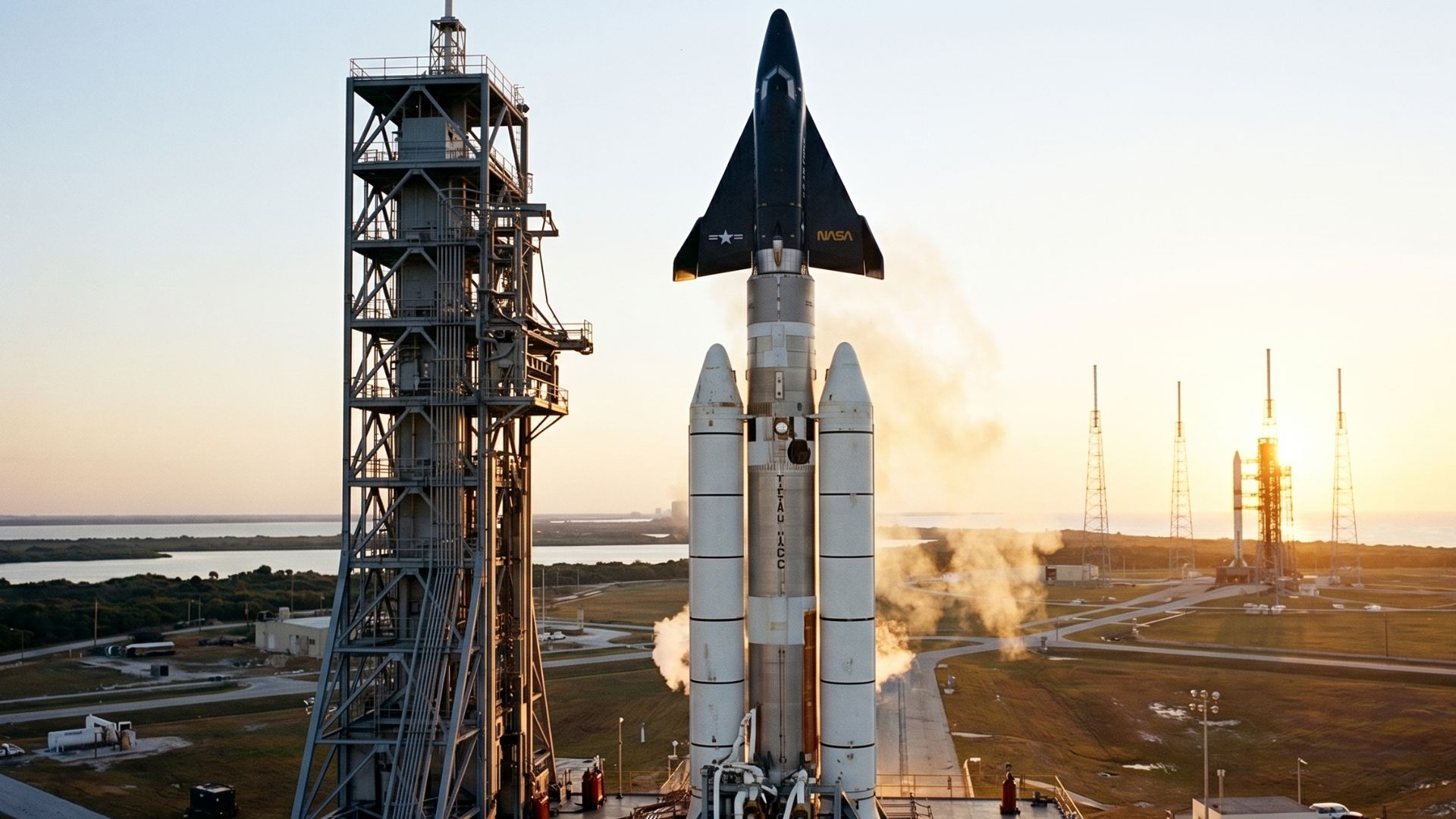
The military spaceplane that almost took the Cold War into orbit: Boeing X-20 Dyna-Soar was designed to re-enter above Mach 20, fly for up to 40 hours, land like a plane, and transform Titan rockets into a gateway to a new era of orbital warfare.
-
FAB bets on national drones and increases investments to strengthen the Brazilian aerospace industry



Until recently, only a restricted group of countries had the autonomy to develop this technology. Now, FAB joins this select group with the CM-4B system, the result of more than a decade of research. The CM-4B project was led by the Institute of Aeronautics and Space (IAE) in partnership with the Aeronautical Computing Center, both located in São José dos Campos.
Since 2008, FAB’s efforts have been directed toward the development of a compact and efficient solution, culminating in equipment weighing only 500 grams, but with immeasurable strategic impact.
The FAB air traffic identification system emits encrypted algorithms that allow fighters like the F-39 Gripen to identify, in real-time, whether another detected aircraft is friend or foe. This advancement represents an important leap for national sovereignty, reducing Brazil’s dependence on imported technologies, often controlled by military alliances like NATO.
Brazil Also Advances with Cruise Missile
The air traffic identification system will undergo final qualification in February 2025, when the first prototypes will be test-flown.
The certification is expected to occur in November of the same year, paving the way for the industrialization and integration of the system into the operational equipment of the Brazilian Air Force. With this technology, FAB bolsters its defensive capabilities, ensuring greater security in joint activities and standing out on the international stage.
In addition to the advance with the air traffic identification system, Brazil is in advanced negotiations to purchase the BrahMos NG cruise missile, a high-precision weapon developed in partnership between India and Russia. The missile has a range of up to 800 km and is capable of hitting land and maritime targets at supersonic speed.
The integration of this missile into the platforms of the Brazilian Air Force, such as the Gripen fighters, as well as into the Navy and Riachuelo-class submarines, will significantly enhance the country’s strategic deterrent capability.
Brazil Shines with the Most Advanced Weapons in the World
The Brazilian interest in BrahMos NG also reflects the rapprochement between Brazil and India in the defense field. During the last G20 summit in Rio de Janeiro, President Luiz Inácio Lula da Silva and Indian Prime Minister Narendra Modi discussed strengthening bilateral relations, focusing on sectors such as space technology and defense systems.
This cooperation may pave the way for new joint projects, strengthening Brazil as an important player in the global defense market. By integrating technologies such as the air traffic identification system and the BrahMos NG missile, FAB strengthens its position as one of the most advanced in the world.
The combination of these innovations ensures not only greater technological independence but also positions Brazil as one of the few countries capable of operating nationally developed air traffic identification systems.










Adianta o que investir nas Forças Armadas, o inimigo invade o Palácio do Planalto dentro do país e não fazem nada…….se o povo quiser se defender terá que usar enxadas e cabos de vassouras por que o Exército está dominado pelo crime organizado.
O míssil BRAHMOS NG tem, na verdade, um alcance de 290 km, por se tratar de um artefato menor que o BRAHMOS original, que tem o alcance de 800 km, sendo que a versão de exportação do original também tem o alcance de 290 km! O Brasil está negociando o BRAHMOS NG, pois se necessitaria de um caça de grande porte para se levar o original, coisa que o GRIPEN não é! A informação da matéria está errada, em sua essência!
O míssil BRAHMOS NG tem, na verdade, um alcance de 290 km, por se tratar de um artefato menor que o BRAHMOS original, querem o alcance de 800 km, sendo que a versão de exportação do original também tem o alcance de 290 km! O Brasil está negociando o BRAHMOS NG, pois se necessitaria de um caça de grande porte para se levar o original, coisa que o GRIPEN não é! A informação da matéria está errada, em sua essência!