Portuguese
  Spanish


After almost 11 months at sea, USS Gerald R. Ford returns to the USA with technical challenges requiring urgent maintenance.
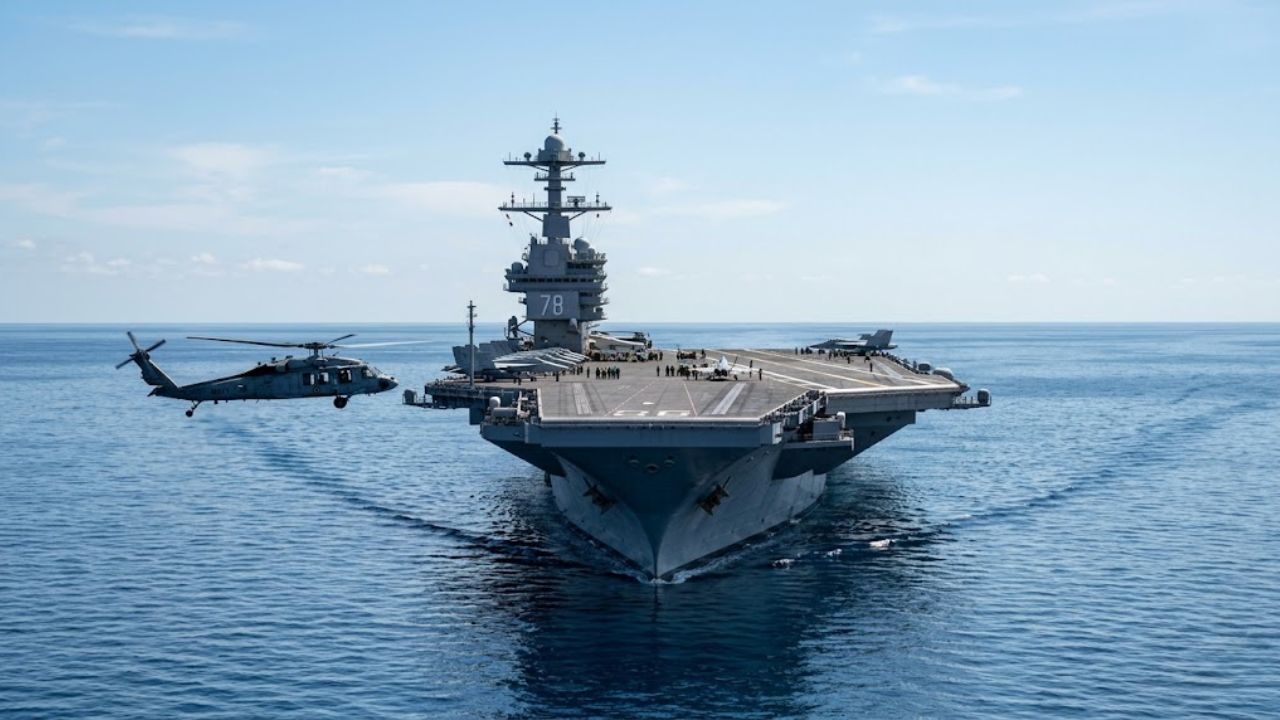
After an extensive sequence of operations that kept thousands of military personnel away from home for months, the nuclear aircraft carrier USS Gerald R. Ford returned to Norfolk, Virginia. The vessel, considered the most modern and also the most expensive ever built by the United States Navy, will now enter a maintenance period aimed at repairing damage caused by a fire and resolving recurring issues in its sanitary system.
The ship’s return marks the end of an intense operational phase. According to Naval Power, approximately 4,600 crew members disembarked after a mission that lasted almost 11 months. Before that, the vessel had already completed another eight-month operational deployment that began in January 2024, accumulating one of the longest deployment periods recorded for a U.S. aircraft carrier since the Vietnam War.
USS Gerald R. Ford will have areas rebuilt after onboard fire
Among the scheduled work for the shipyard period is the recovery of sectors affected by a fire that occurred in March.
-
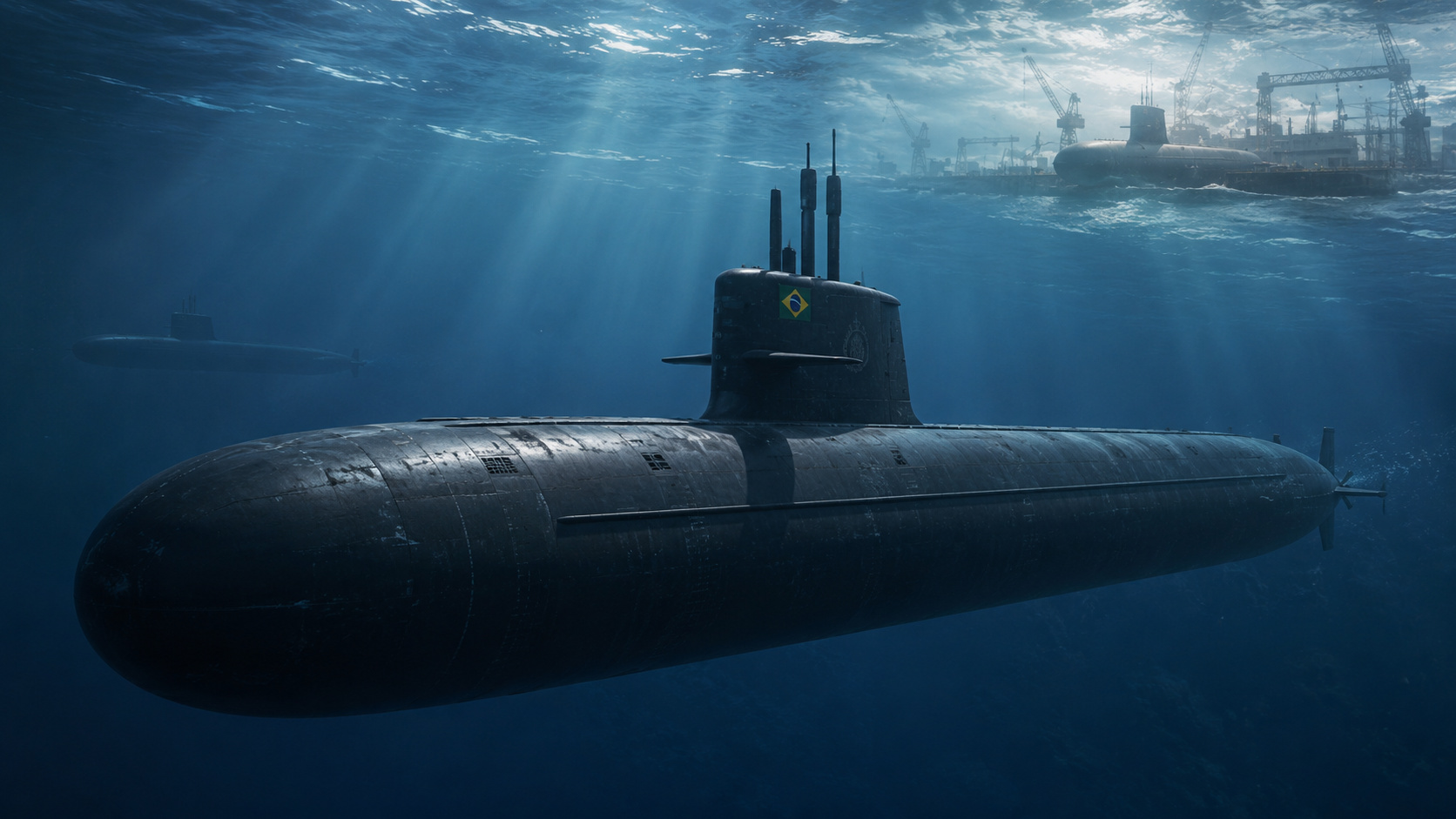
Brazil’s 72-meter submarines patrol 4.5 million km² of the South Atlantic, as the country builds its first nuclear-powered submarine capable of staying submerged for months.

-
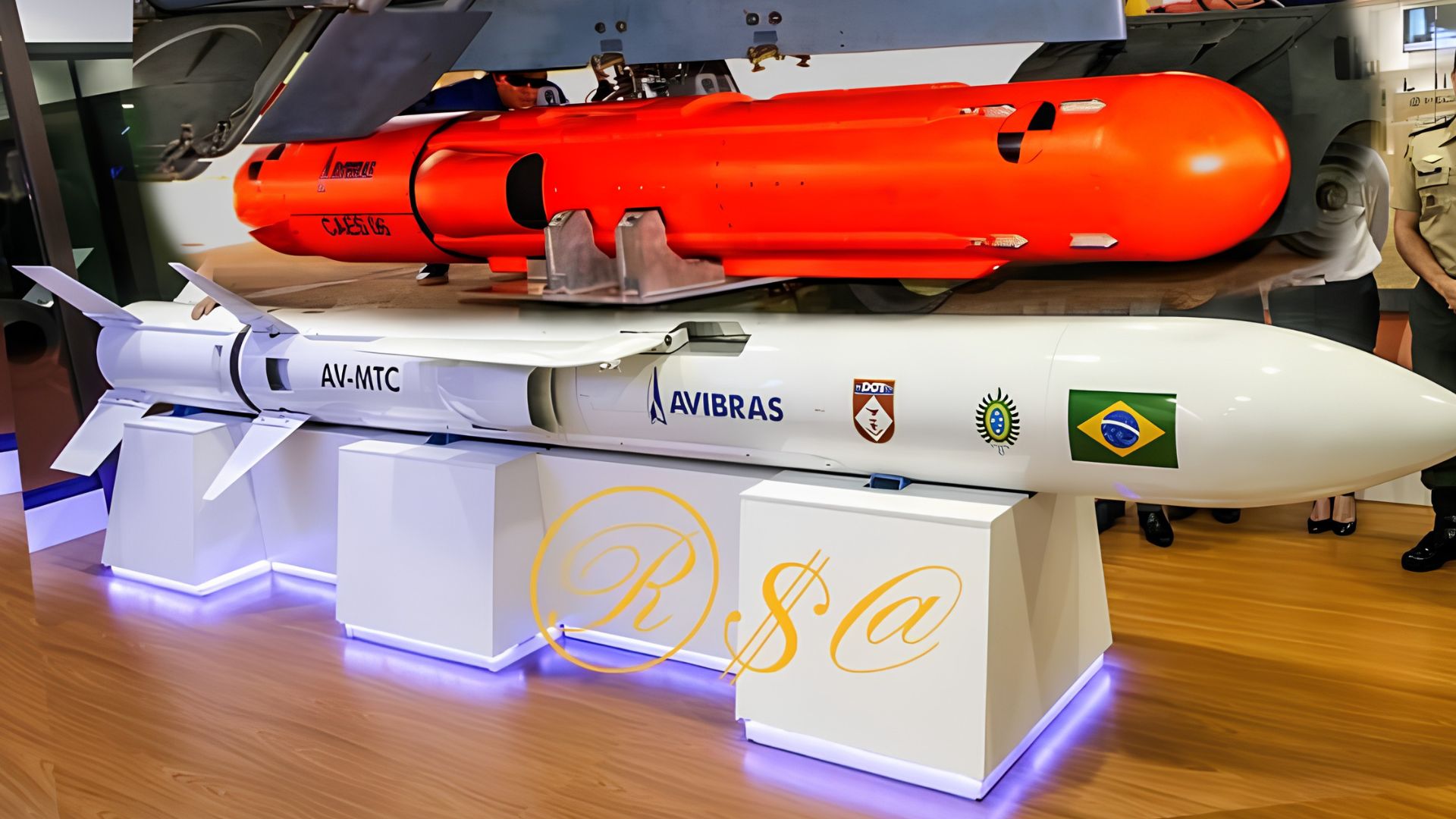
Brazil’s AV-TM 300 Tactical Cruise Missile, Known as “Matador,” Offers a Cost-Effective Alternative to the American Tomahawk with a 200 kg Warhead and 300 km Range.

-
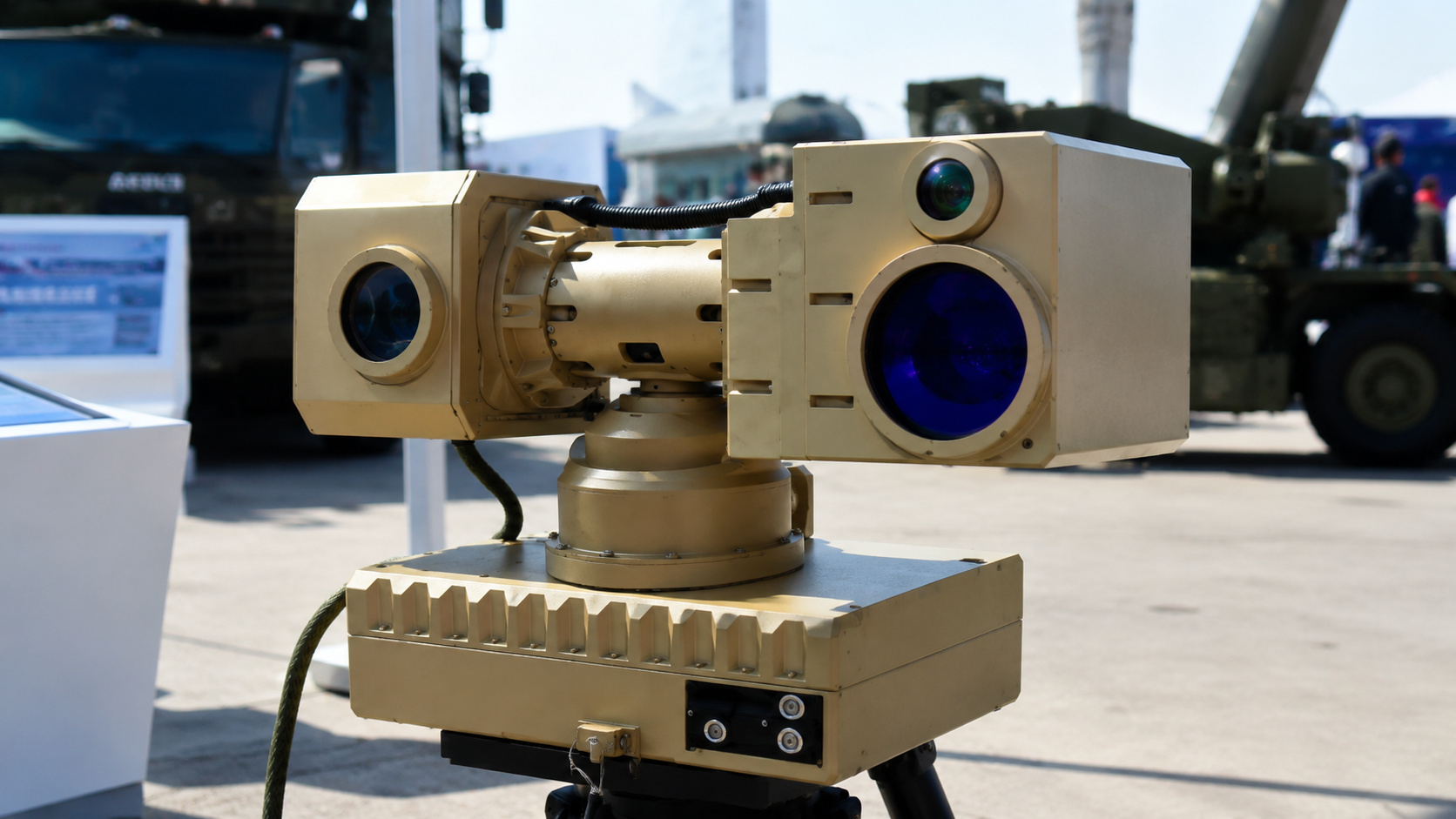
New Brazilian Frigate Equipped with Advanced Missiles and Radars to Safeguard Strategic Maritime Areas
-
New Brazilian Frigate Equipped with Advanced Missiles and Radars to Protect Strategic Maritime Areas, Including the Blue Amazon and Pre-Salt Reserves


The flames started in the ship’s laundry and spread to nearby areas used by the crew. Spaces intended for sailors’ rest were impacted, including damage to bunks and other accommodation areas.
In addition to material damage, previous reports indicated that the incident left injuries and significantly altered the routine of the embarked military personnel during the mission. With the return to Norfolk, technical teams will have the task of fully restoring the affected areas.
Sanitary system of USS Gerald R. Ford will be updated
Although the fire received special attention, another issue gained prominence during the long operational deployment: the recurring failures in the system responsible for collecting and transferring sanitary waste.
The technology used on the USS Gerald R. Ford operates through vacuum suction and was inspired by similar systems employed on cruise ships. The proposal was to use smaller pipes and optimize the functioning of the toilets.
In practice, however, the equipment became one of the main sources of technical difficulties faced by the crew.
Internal documents obtained by NPR through the United States Freedom of Information Act show that maintenance teams faced various challenges to keep the system functioning properly between March and August 2025.
Simple failures could affect large areas of the ship
One of the aspects that most concerned the technicians was the possibility of a small failure compromising a significant part of the vessel. According to internal communications analyzed by NPR, problems in specific components could disrupt the operation of the bathrooms in entire sectors of the aircraft carrier.
In a message sent to the crew on March 18, a non-commissioned officer responsible for mechanical systems highlighted that one of the most frequent occurrences involved a hose located behind the toilets. When this piece moved out of the correct position, the system lost suction.
The alert sent to the military was direct: “We need your help to prevent our VCHT system from going offline and creating unsanitary conditions.”
In addition to mechanical failures, technicians found various objects that should not be inside the pipelines.
Among the materials removed were:
- T-shirts;
- Clothing items;
- Various fragments;
- A piece of rope approximately 1.2 meters long.
Given the situation, the maintenance team began to advocate for specific training to guide the proper use of the toilets.
Solution already applied on another aircraft carrier will serve as a model
To reduce the impacts of future failures, the Navy intends to implement a modification similar to the one previously used on the USS George H.W. Bush.
The update aims to better divide the operation of the sanitary system. In this way, any defects would be restricted to smaller areas, preventing a single problem from affecting a large number of bathrooms simultaneously.
The current maintenance will also allow for deep cleanings of the pipelines, something that cannot be performed during operations at sea.
Information already recorded in official reports, the system requires periodic chemical washes to prevent blockages. Each procedure can cost around $400,000.
History of challenges accompanies the Ford class
The difficulties related to the sanitary system did not arise recently. A report published in 2020 by the Government Accountability Office (GAO), a watchdog agency linked to the United States Congress, already pointed out challenges involving this equipment on Ford-class ships.
The USS Gerald R. Ford is the first representative of this new generation of nuclear aircraft carriers, created to gradually replace the Nimitz-class vessels.
The project incorporates several advanced technologies, including:
- Electromagnetic catapults;
- New weapon elevators;
- Greater electrical generation capacity;
- Automated systems to support air operations.
Despite these advances, the introduction of new technologies also brought delays, additional costs, and technical problems that required corrections over the years.
USS Gerald R. Ford ends mission but continues in improvement phase
While some observers follow the repairs as another test of the program’s reliability, the United States Navy maintains that the challenges faced are part of operating complex systems.
During the ship’s return, the Chief of Naval Operations, Admiral Daryl Caudle, downplayed the situation by stating that difficulties involving sanitary systems can occur on any military vessel.
According to him, the most important thing is the response capability of the maintenance teams. In his assessment, the USS Gerald R. Ford crew demonstrated competence in dealing with the problems recorded during the mission.
The operation administrator also highlighted that the vessel remains a strategic platform for the U.S. Navy. Now, with the maintenance period about to begin at the Norfolk Naval Shipyard, efforts will focus on recovering damaged areas, correcting accumulated failures, and preparing the ship for future long-duration missions.
The return to Norfolk therefore represents not only the end of an extensive operational commission but also the beginning of a new phase aimed at strengthening the performance of the most expensive aircraft carrier ever built by the United States.
With information from Poder Naval