Portuguese
  Spanish


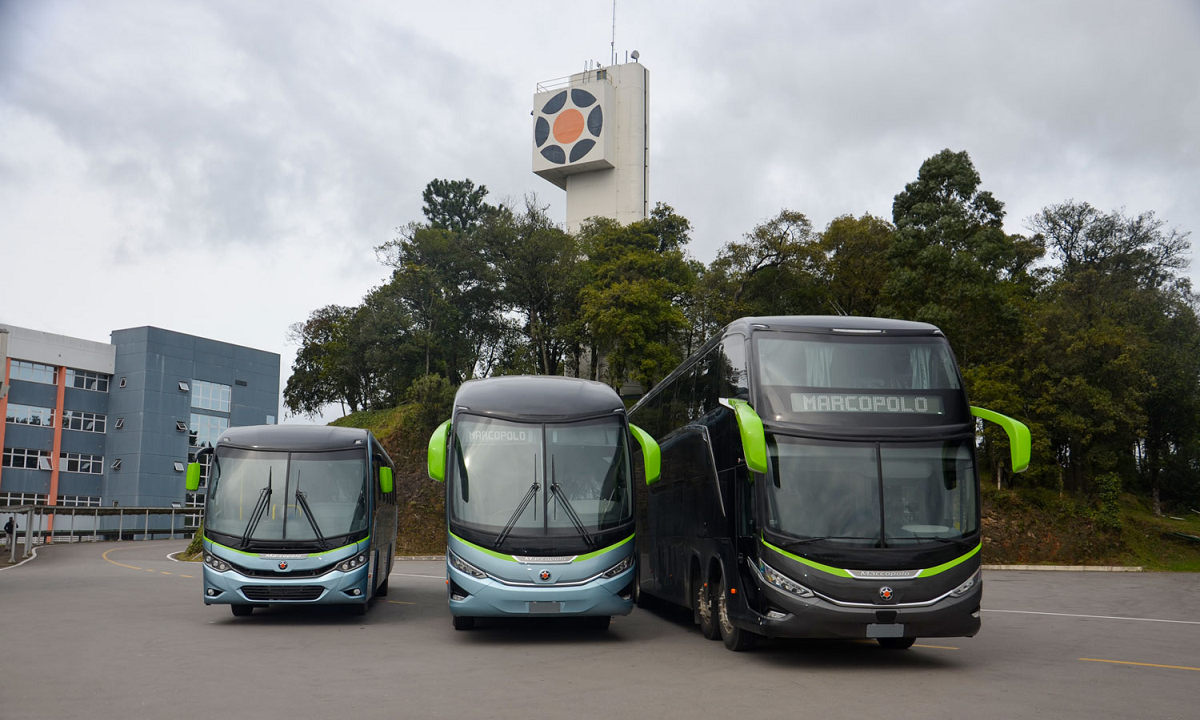

The New Marcopolo Factory Will Be Located in Rio Grande do Sul and The Company Invested Around R$ 24 Million in The New Unit
Marcopolo, a renowned Brazilian bus manufacturer, is betting on a new strategy that involves in-house production of plastic parts. With a revenue of R$ 5.6 billion in 2022, the company aims to expand its production and explore new markets, according to Exame.
The initiative involves the manufacturing of plastic parts, such as seat supports and panels, which were previously produced using other materials like fiberglass or steel. In addition to using these parts in its own products, Marcopolo intends to sell them to other industries, including its competitors.
Factory Expansion with Own Investment
To realize this investment, the company has invested R$ 24 million in the construction of a new factory in Farroupilha, Rio Grande do Sul. The new factory is 5,000 square meters and is equipped with modern machinery. Additionally, the team has been expanded with the addition of 12 new employees, totaling 60 professionals in the operation.
-
China to Drill 90 Kilometers Under the Sea to Connect Two Cities Currently Linked Only by Ferry

-
18 m² Home Built in Two Days by Teto Volunteers Provides Shelter from Insects and Cold for Resident in Brazilian Community; 43 Delivered in 2026

-
$134.7 Million Project in São Paulo Installs Over 5 Kilometers of Pipes, Creates New Underwater Crossing to Boost Water Supply for Over 450,000 People

-
At 61, Former Homeless Wheelchair User Receives Key to Container Home in Brazil, Declares Independence


The main objectives of Marcopolo’s new factory are to transform its own bus lines, aiming for 100% of the injection-molded parts to be made of plastic. Furthermore, the company intends to expand its reach into new markets. This includes supplying plastic parts for automotive, agricultural machinery, and even surgical equipment industries.
Alberto Ruy Calcagnotto, Global Purchasing Director at Marcopolo, emphasizes that the equipment acquired for the factory is automated and adaptable, allowing the production of a variety of parts according to customer needs.
Diversification and Sustainability
In the long term, Marcopolo plans for revenue from its operations to represent only 30% of the total for the new division, Apolo. Market diversification is a strategy aimed at reducing risks and seeking new business opportunities.
In addition to financial benefits, the choice of plastic also reflects sustainable concerns. Plastic parts are more easily recyclable than fiberglass ones, allowing for a complete recycling. Furthermore, the production of plastic parts tends to be more economical than other alternatives, such as steel.
Future and Challenges of Marcopolo
In addition to its investment in plastic, Marcopolo is also focusing efforts on the electrification of its vehicles. The company has already produced 130 electric buses and plans to build more production lines to meet the growing demand. However, challenges such as high costs and charging infrastructure still need to be overcome for the widespread adoption of these vehicles.
Regarding the future, Marcopolo is also exploring the possibility of using green hydrogen as an energy source for its vehicles. These strategies reflect the company’s determination to remain relevant and innovative in the market, as a company founded in 1949 that continues to seek pioneering solutions to the challenges in the automotive industry.