





 Portuguese
  English
  Spanish
  3 min of reading


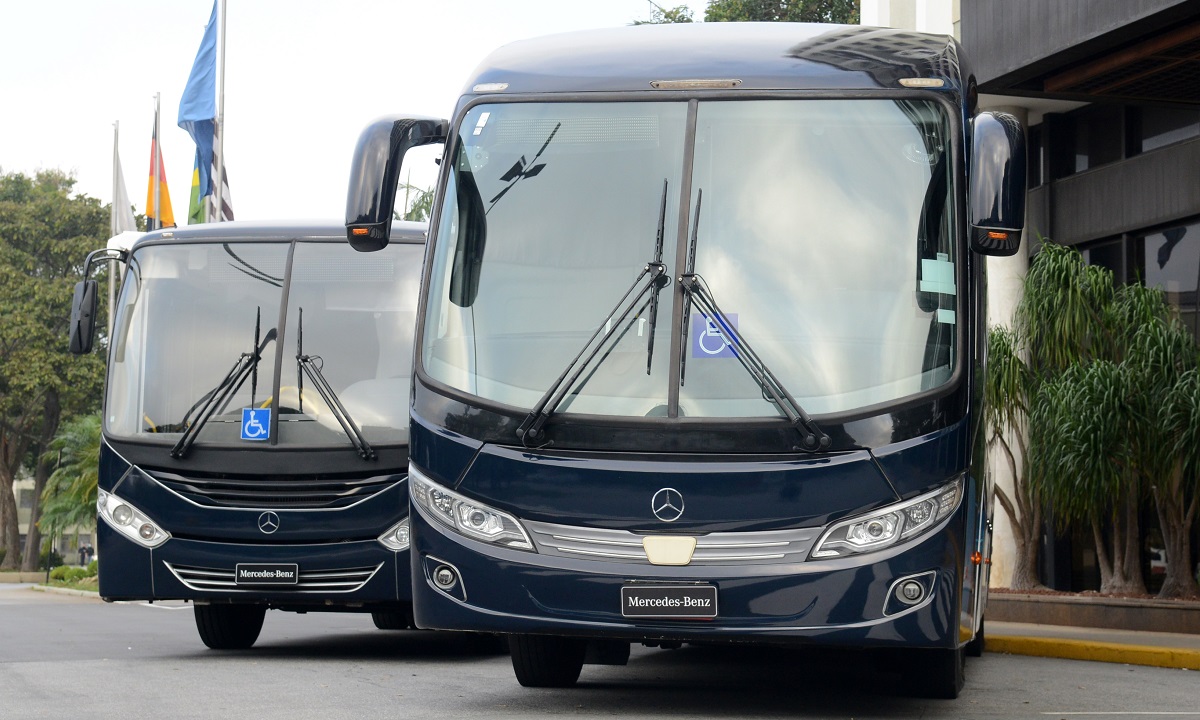
The New Buses That Will Start Being Distributed in the Market Will Feature New Technologies, More Comfort, Less Pollutant Emissions, According to the Conama Standards, and Will Also Bring More Safety to Passengers
New technologies that were previously available in the automotive market are now coming to buses. The new generation of road and urban vehicles, which will start being sold this semester, will have features that will offer more safety and comfort to passengers, in addition to the vehicles being less polluting and more economical, according to the new National Environmental Council (Conama) standards for diesel-powered vehicles, which will come into effect in January 2023.
The new technologies that will be present in the vehicle market were presented at Lat.Bus, a fair that ended on Thursday in São Paulo, which also showcased various launches of electric buses for urban use. In the city of São Paulo alone, the plan is to have 1,500 units of buses with technologies by 2023.
A segment of the new technologies in the market will be limited to road buses, given that urban buses are distributed by municipalities through bidding processes; thus, new technologies could result in higher costs, which would have to be passed on to the fares charged to passengers, the prices of which are controlled.
-
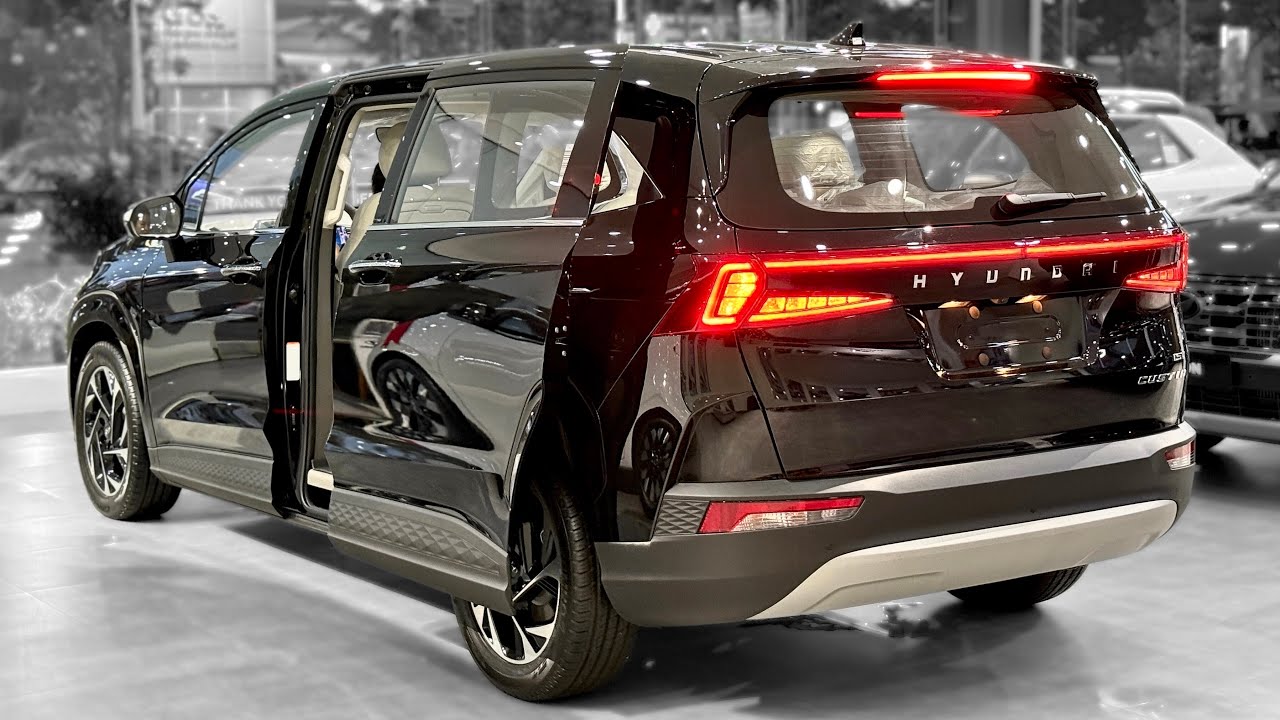
Hyundai sells an executive minivan that looks like a VIP room on wheels: Custin carries 7 people, uses a 1.5 turbo engine with 168 hp, 8-speed automatic transmission, and costs around R$ 157,000 in direct conversion in Vietnam.

-
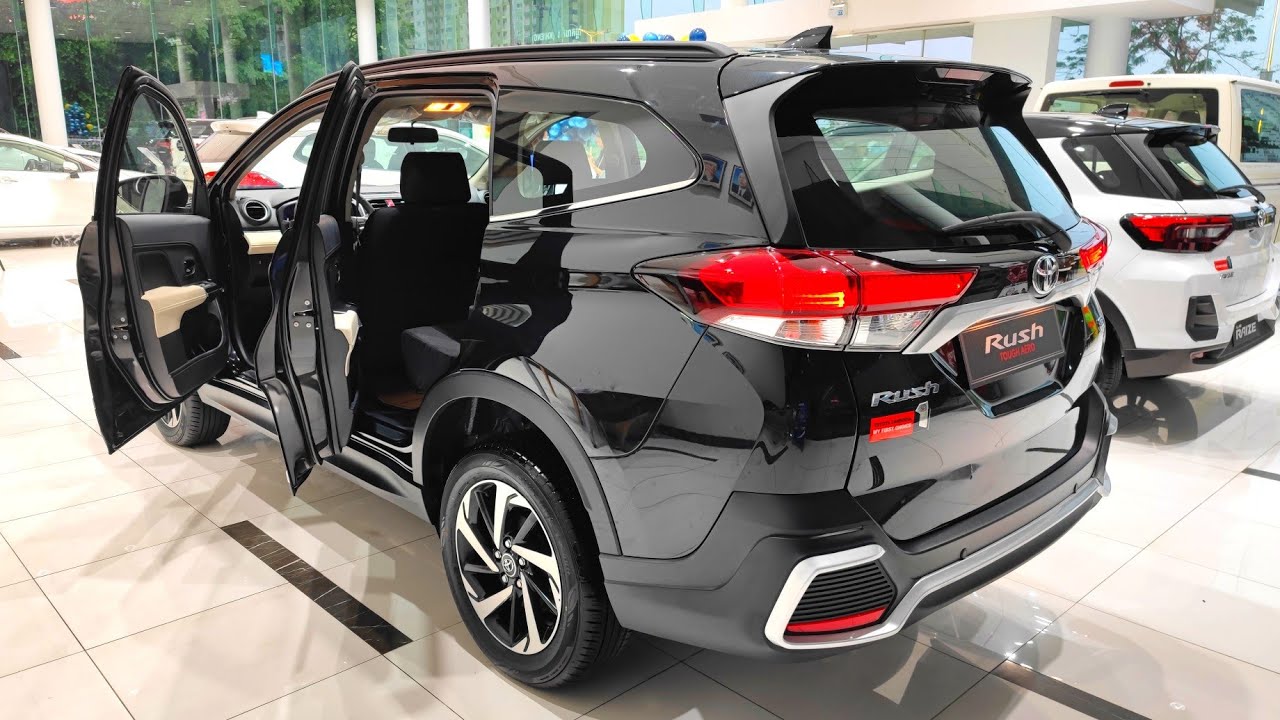
The 7-seater Toyota that seems too cheap to exist in Brazil: Rush has a 1.5 engine, manual or automatic option, and a converted price close to R$ 81,000, while here families need to aim for much more expensive SUVs.
-
The 2012 Mitsubishi Pajero Dakar diesel shows 314,000 km and still draws attention for its reputation for durability; the seven-seater 4×4 SUV handles trails, but signs of severe use may conceal losses for used car buyers.
-
Peugeot publicly acknowledged the errors of the PureTech engine, which caused serious failures in hundreds of thousands of cars, and introduced the new Turbo 100 as a definitive solution, a 1.2 turbo tested for over 3 million kilometers that replaces the faulty belt with a more durable chain.



New Technologies in Mercedes-Benz Buses
The new buses from Mercedes-Benz, the sales leader in the Brazilian market, will have an emergency braking system that detects moving objects and pedestrians, an intelligent high beam detector (which dims the brightness when crossing with oncoming vehicles), electronic parking brake, blind spot assist, and a rollover prevention system.
“These are items that will save more lives,” says Valter Babosa, sales and marketing director at Mercedes-Benz Brazil. In addition, Roberto Leoncini, vice president of sales and marketing at the company, clarifies the 50% reduction in pollutant emissions, according to the new Conama standards—15 Euro 6 buses are equivalent to the emissions of one Euro 3, the director compares.
Technologies Offered to the Market with New Scania Buses
The new bus models from Scania, like those from Mercedes-Benz, will have a speed control system, capable of automatically reducing speed via GPS data when the vehicle is in restricted areas, such as hospitals. With this new technology in the market, diesel consumption will drop by 8% for road buses and 10% for urban buses compared to the current generation of vehicles, Euro 5.
The brand will also offer some buses powered by biodiesel and HVO, hydrotreated vegetable oil known as green diesel, according to the new Conama rules. Additionally, the manufacturer already has models of buses powered by gas and biogas.
Technologies Adopted by Volkswagen
The vehicle manufacturer Volkswagen Caminhões e Ônibus, in turn, will offer the market bus models with automatic transmission, hill start assist, and starting block while the doors are open.
The engineering director of Marcopolo, Luciano Resne, also highlights the transfer of technologies from cars to buses, such as the audible alert for seatbelt use. In the vehicle seats, Volkswagen already uses the G8 model, which is made up of pillow foams from NASA. Additionally, the director states that the new buses will comply with the new rules established by Conama.
Some technologies adopted due to the pandemic have also become standard, such as the ultraviolet light that is activated when the passenger leaves the bathroom for hygiene against bacteria.
According to the president of Volvo Buses Latin America, Fabiano Todeschini, the changes in the brand’s chassis allow for a 9% fuel savings compared to previous models. The buses will also provide more comfort. “The passenger does not feel the gear change,” he says, regarding the end of jolts.





Be the first to react!