






 Portuguese
  Spanish


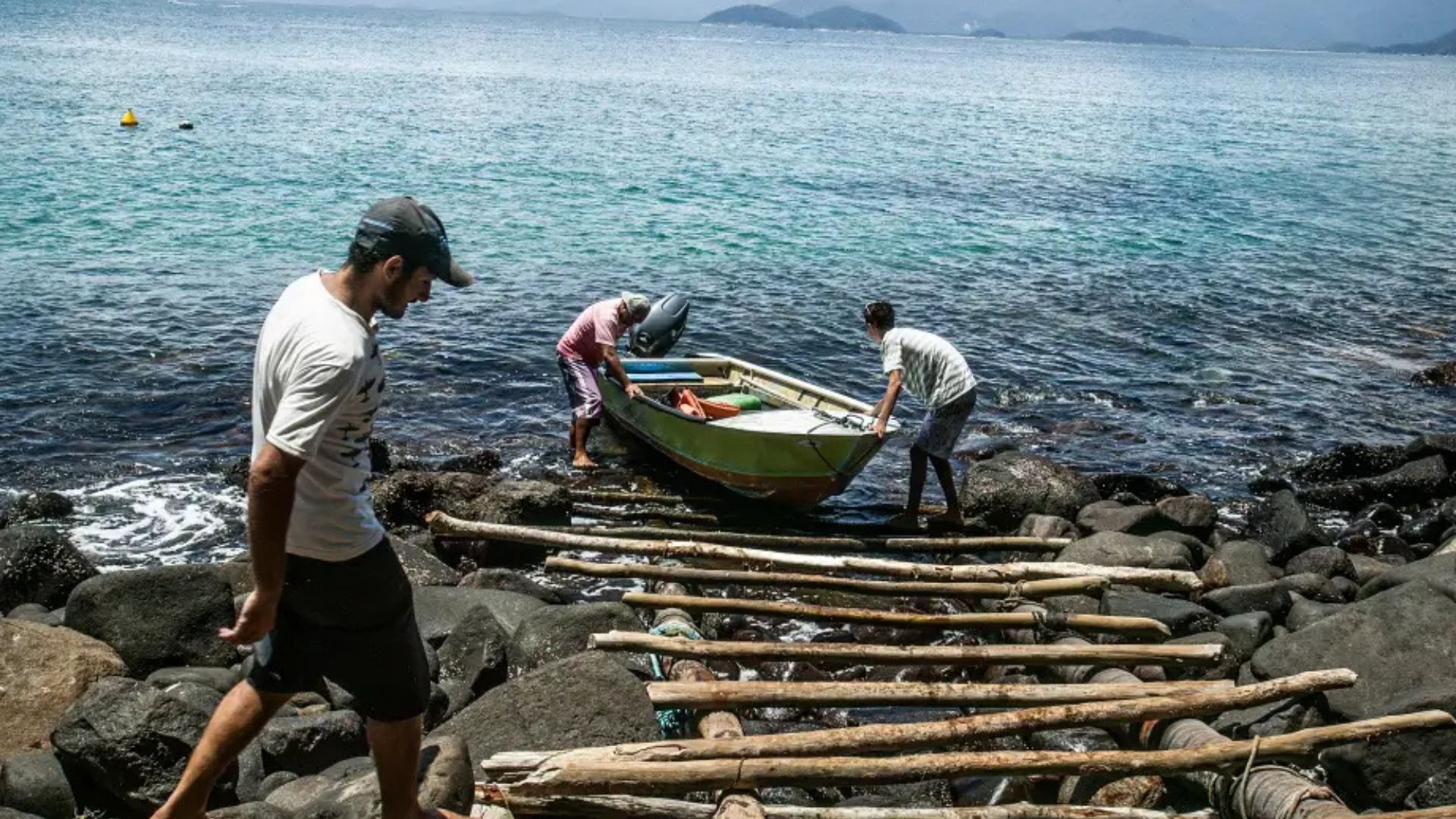


Caiçara Community on Island Near the Mainland Maintains Routine Based on Artisan Fishing, Restricted Access to Public Services, and Self-Sufficient Solutions for Water and Electricity. Residents Follow Traditional Rules of Residence and Live with the Sea as the Only Means of Connection, Even When They Are Just a Few Kilometers from the São Paulo Coast.
Just a few kilometers from the coast of São Paulo, a family maintains a routine marked by geographic isolation and limited infrastructure on Montão de Trigo Island, which belongs to the municipality of São Sebastião.
At the location, the fisherman Rubens de Oliveira, now about 58 years old, lives in the same territory where he was born and describes a life in which transportation depends entirely on boat, water comes from direct spring capture, and electricity is provided by solar panels and alternative storage systems, used in a controlled manner in daily life.
Montão de Trigo Island: Isolation 10 km from the Mainland
The island is about 10 kilometers from the mainland and currently shelters approximately 60 residents, all connected by family ties and the caiçara tradition.
-
Brazilian Airport to Receive $2.8 Million Investment, Completion Expected Within a Year

-
UN Warns of AI’s Environmental Impact and Calls for Greater Corporate Transparency

-
Former Atacadão Employee Turns Online Cake-Baking Lessons into a Confectionery Brand with Factory, Store, Delivery, and Nearly $400,000 in Revenue
-
Brazilian Startup Sells Nearly 9 Million Surprise Bags of Near-Expiry Food, Prevents Thousands of Tons of Waste, Aiming for $42 Million Revenue by 2026




The crossing, made by boat, takes an average of twenty minutes from Barra do Una beach, the support point for those needing to access the mainland.

Even though it is located near one of the most visited stretches of the northern coast of São Paulo, life on Montão de Trigo follows its own rhythm, conditioned by the sea, the weather, and limited access, with little presence of regular public services.
Artisan Fishing and Routine Before Dawn
Rubens’ routine begins before dawn.
According to reports recorded in recent articles, he goes out early in the morning to fish, casting nets around the island, an activity that remains the main source of income for the family.
On some outings, dolphins accompany the boats, creating a natural scene that contrasts with the absence of common facilities in urban areas.
During the afternoon, the fisherman usually observes from the top of the island the stretch of beaches on the mainland, visible on clear days, maintaining a constant relationship between physical isolation and visual proximity to the city.
House on the Island and Traditional Occupation Rules
The housing structure on the island follows simple standards, compatible with the limitations of transporting materials and the occupation rules of the area.
Rubens built a wooden house with a view of the sea, gradually raised as materials could be transported by boat.
He reports not paying property tax, explaining that the island is a union area and that traditional residents have permission to use the territory, respecting specific rules aimed at preserving the community and the natural environment.
Spring Water and Alternative Energy
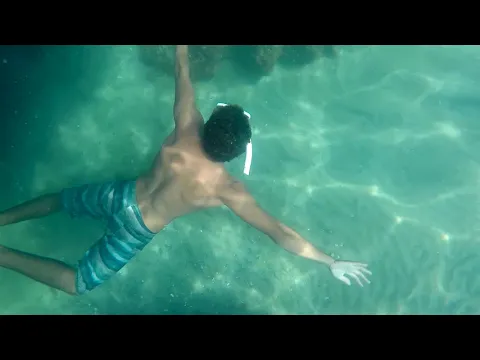

The water used daily is drawn directly from a spring, through hoses that carry the resource to the residences.
The supply varies according to the season and the amount of rain, requiring conscious use and planning of household activities.
In recent years, some houses have started to use solar energy, with photovoltaic panels and batteries, replacing older solutions and expanding access to lighting and basic equipment, albeit in a limited fashion.
Food, Cultivation, and Dependence on the Sea
The family’s diet is primarily based on artisan fishing, complemented by fruits and other foods cultivated in their backyards.
Residents maintain fruit trees and small planting areas, reducing the need for frequent trips to the mainland.
Despite this, industrialized items, medications, and maintenance materials need to be transported by boat, which raises the cost of any improvements and makes supply dependent on sea conditions.
Who Can Live: Tradition and Belonging

The isolation is described not only as a difficulty but also as a choice.
Rubens claims that he rarely leaves the island and says he does not adapt to urban rhythms, citing noise and excessive movement as factors that reinforce his staying in the place.
On Montão de Trigo, only those born on the island or married to someone from the community can live, a rule that preserves family ties and limits the entry of new residents.
This criterion explains why the population remains relatively stable over the years, maintaining customs, economic activities, and a collective identity strongly tied to the territory.
Geography, Crossing, and Challenges of Isolation
The island’s geography contributes to the feeling of isolation.
The highest point reaches about 300 meters above sea level, visible from various stretches of the São Paulo coastline.
The sea serves both as a pathway and an obstacle, as adverse weather conditions can hinder crossings and complicate health care, food transport, and contact with public services.
Even with these limitations, the community remains active, upholding a way of life that withstands the passage of time and the accelerated urbanization of the surroundings.
The story of a family that has lived for decades on an island so close to the mainland raises a curiosity that crosses borders: why remain in a place where access to the modern world is restricted, even when the city is just a few minutes away by boat?







Só a tranquilidade e a segurança, e a natureza, compensa em morar um paraíso desses. Eu moraria.
Viver em paz é o que a gente precisa