Portuguese
  Spanish


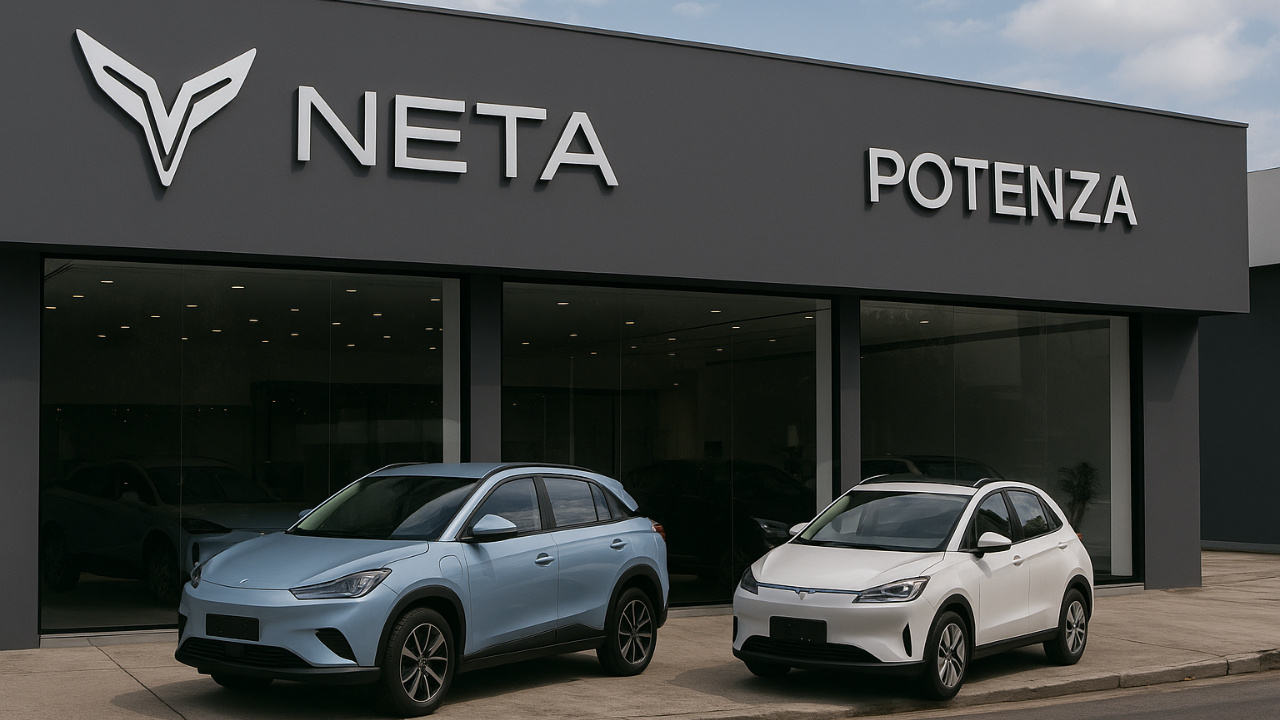

Even After Bankruptcy, a Famous Chinese Car Manufacturer Insists on Staying in Brazil. Understand the Strategy, Challenges, and Future of Neta Auto.
Neta Auto, a famous Chinese car manufacturer, is going bankrupt after entering judicial recovery in China in 2025.
The company, controlled by Hozon Auto, is based in Rio de Janeiro and is reorganizing strategies to continue competing in the local market.
The automaker relies on price adjustments, new marketing actions, and logistical restructuring, as it considers Brazil a strategic market for its international operations.
-
Unprecedented achievement in India: a colossal 650-ton, nearly 3,000 hp excavator is transformed into 100% electric, marking a new phase in heavy mining.

-
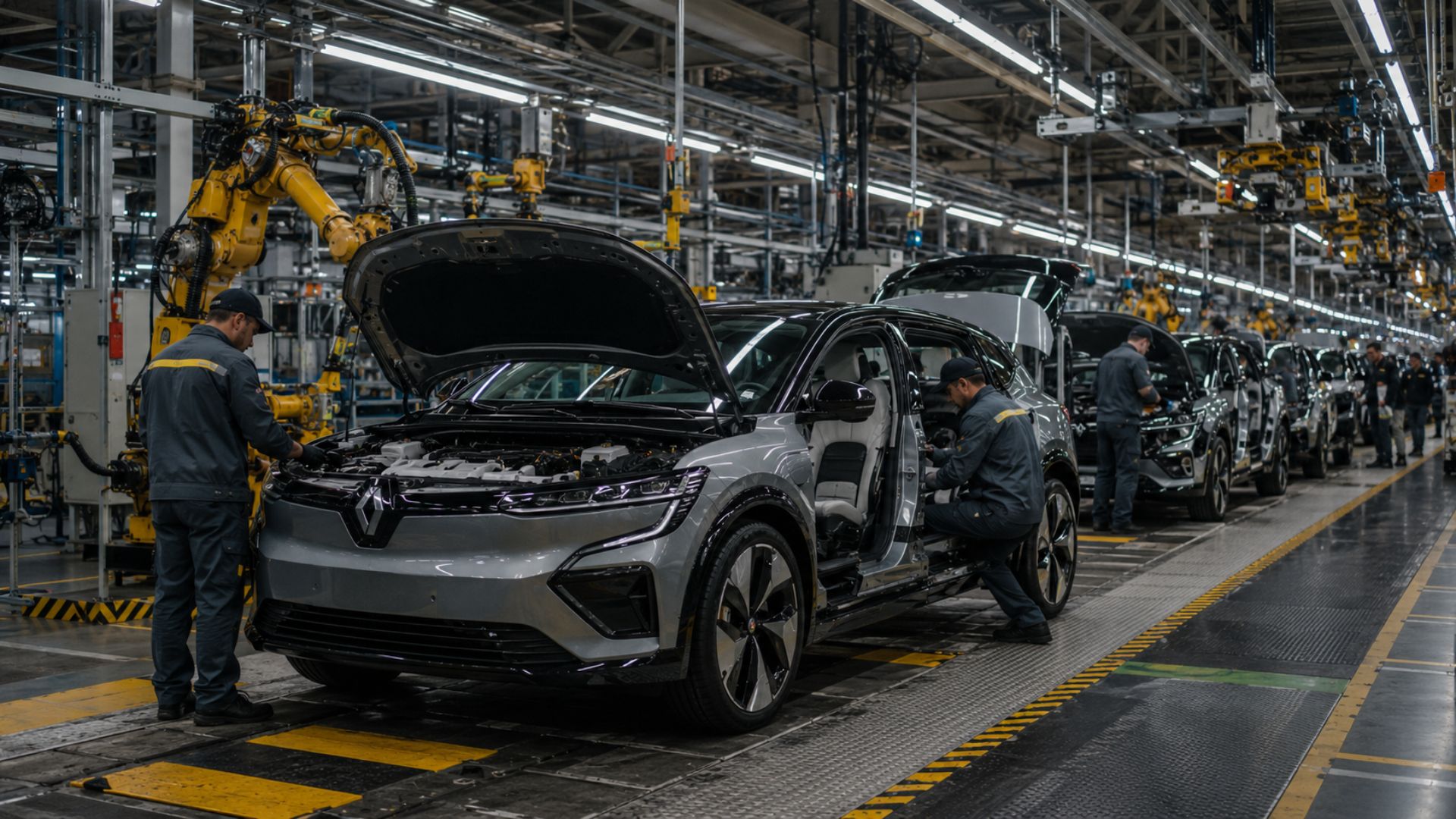
Frightened by the speed of Chinese manufacturers, Renault decided to mimic the pace, made the new electric Twingo in just 21 months, wants to repeat the feat with 36 models by 2030, and along the way, will cut up to 2,400 engineering positions.

-
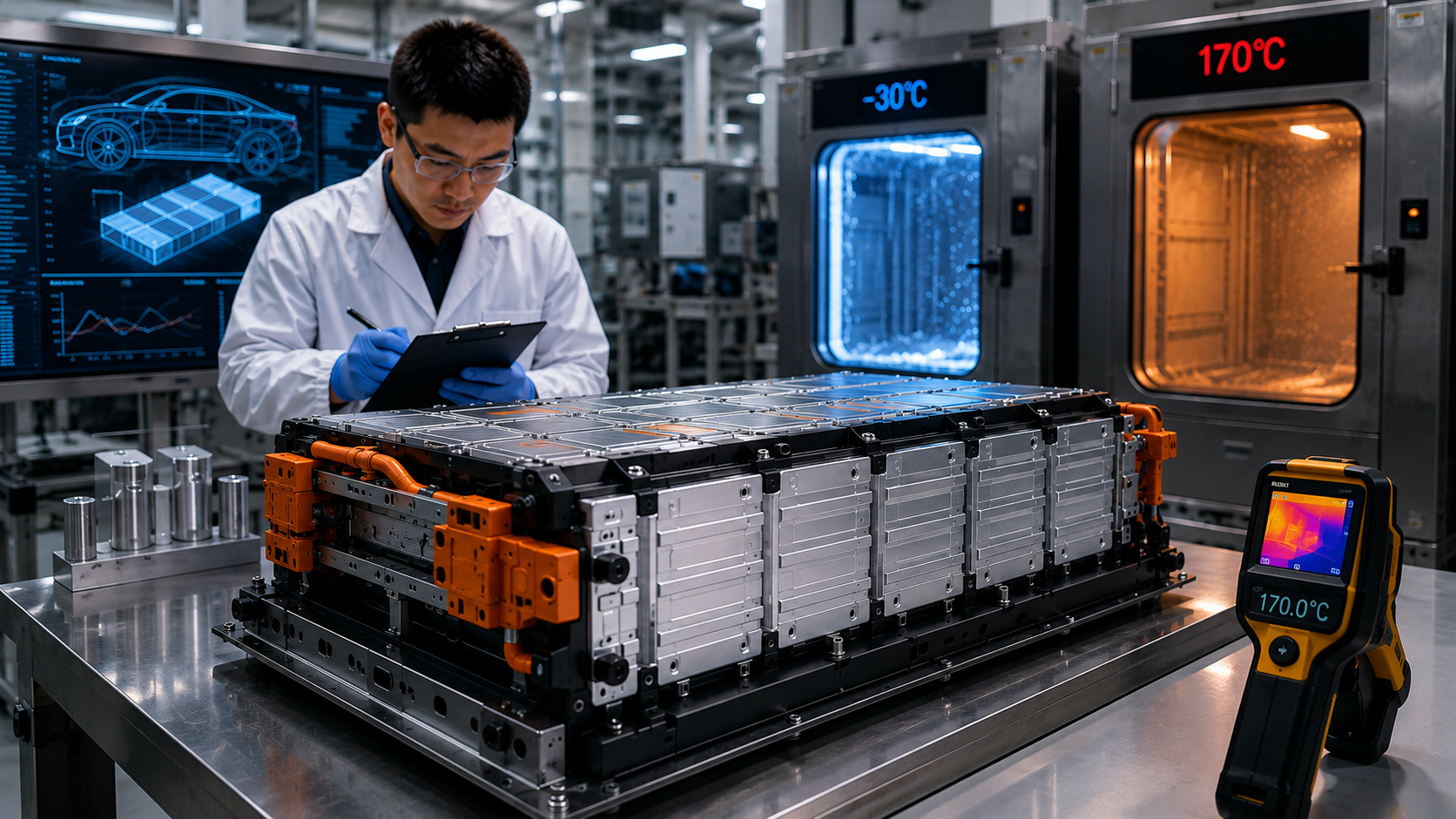
Chinese battery from Dongfeng promises to exceed 1,000 km without relying on liquid electrolyte, and the detail behind the technology could change the electric car competition.

-
The end of the automotive combustion era has already begun, but many in Brazil have not yet realized the magnitude of the shift towards Chinese electric cars.
Thus, even in the face of the crisis, the automaker claims it does not intend to abandon the country, even though financial and operational difficulties challenge its consolidation plan daily.
Immediate Challenges in Brazil: Low Sales and Financial Pressure
The reality of Neta Auto in the Brazilian market reflects the company’s global scenario.
Although the local dealership offers aggressive discounts to try to move inventory, the results remain far below expectations.
By June 2025, only 51 vehicles had been sold in Brazil, a number considered insufficient to sustain operations.
Furthermore, financial problems and failure to meet commitments with suppliers have jeopardized the continuity of activities in the country.
These factors, combined with low demand, create an even more challenging environment for an automaker trying to reposition itself globally.
To try to curb the crisis, Neta Auto initiated a complete review of its strategies.
The brand intensified investments in marketing and recalibrated prices, aiming to reduce stagnant inventory and improve its international presence.
Despite this, the instability generated by judicial recovery continues to limit its progress.
Famous Chinese Car Manufacturer Going Bankrupt, but Not Wanting to Give Up on Brazil: Recovery Plans
While trying to resist in the national market, Hozon Auto, the parent company of Neta, also faces a complex scenario.
Global debts are significant and directly impact Brazilian operations.
Although there are no specific data on the amount in the country, it is known that the local structure operates at reduced capacity and faces logistical hurdles, including detained vehicles.
The company’s recovery plan foresees resuming production of the models X and L, but the model Aya will be excluded.
This decision limits the variety offered to Brazilian consumers, making it more difficult for the brand to compete in a market already dominated by other Asian manufacturers.
Still, Neta maintains significant ambitions. Among them is the project to expand its presence in Brazil through local assembly under CKD, a system where the vehicle arrives disassembled and is assembled at the Brazilian factory.
However, this plan faces significant obstacles.
The lack of capital, coupled with the logistical challenges the company already faces, jeopardizes the feasibility of this operation.
Expectations for the Future: Brazil Remains a Strategic Bet
Even amid uncertainties, the company reaffirms that it does not intend to leave the country.
The famous Chinese car manufacturer is going bankrupt but does not want to give up on Brazil because it sees the national territory as an expansion opportunity amid the growth of the electric vehicle market.
Neta Auto believes it can reorganize its structure and overcome financial difficulties to make Brazil one of the pillars of its international operations.
However, the success of this strategy directly depends on the judicial recovery in China and the ability to balance its accounts globally.
In the meantime, consumers and experts are cautiously watching the brand’s next steps as it tries to navigate the largest crisis in its history without abandoning its expansion plan in South America.