Portuguese
  Spanish


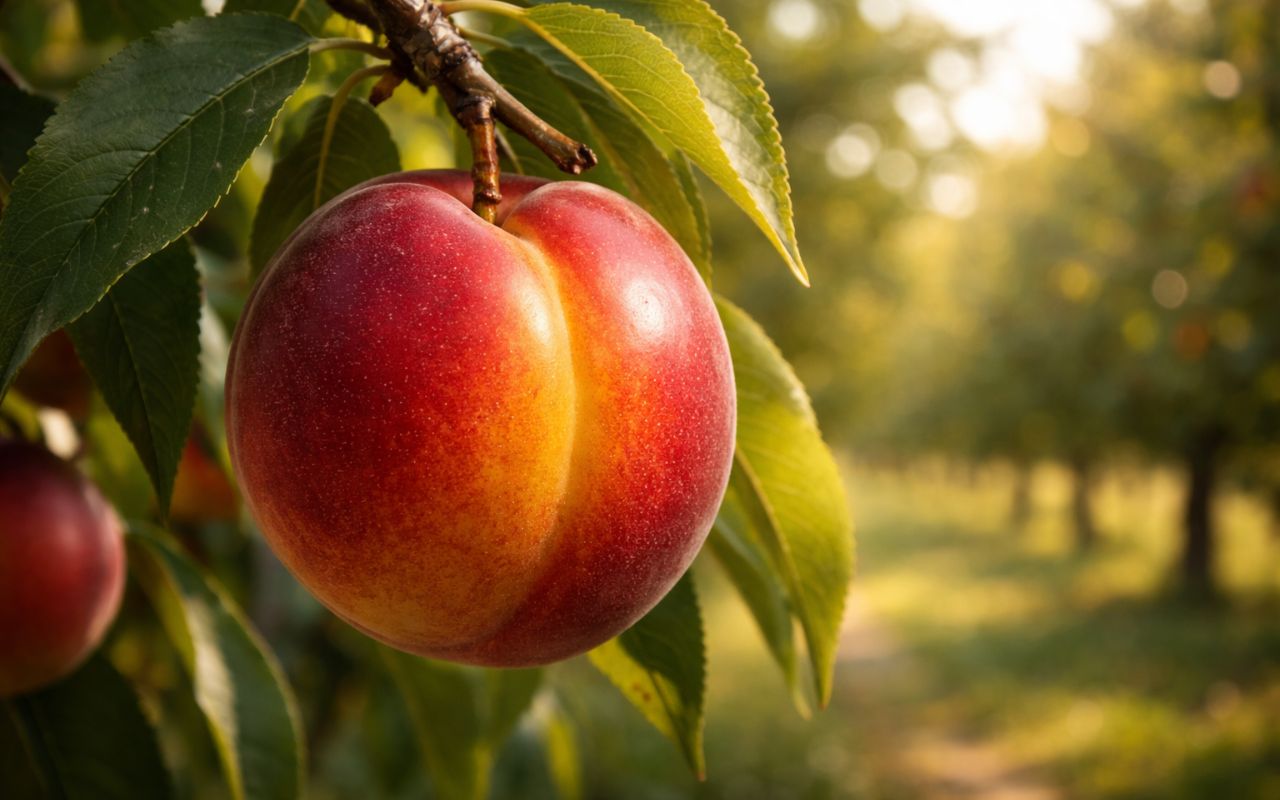

A farmer was fined R$ 1.8 million for planting patented fruit without authorization. Case raises alert about rules in agribusiness.
A farmer was fined around R$ 1.8 million after cultivating a fruit protected by intellectual property rights without authorization, in a case recorded in the interior of the province of Lleida. The infraction was discovered after an investigation that pointed out the irregular use of the variety over several years.
The producer was detained by authorities in 2025, provided clarifications, and is facing legal proceedings, potentially facing prison time in addition to the financial penalty. The episode drew attention on social media in 2026 due to the unusual situation and the risks of non-compliance with legislation.
At the same time, the case reinforces an important change in the sector. Producing food today involves not only agricultural techniques but also respect for rights related to genetic innovation.
-
Producer receives news and had to cull almost the entire herd, bounced back with the help of compensation, and is now producing 450 liters of milk per day in SC.

-
Quail Eggs Reveal a “Secret Code” on Their Shells Explaining Unique Patterns and Colors

-
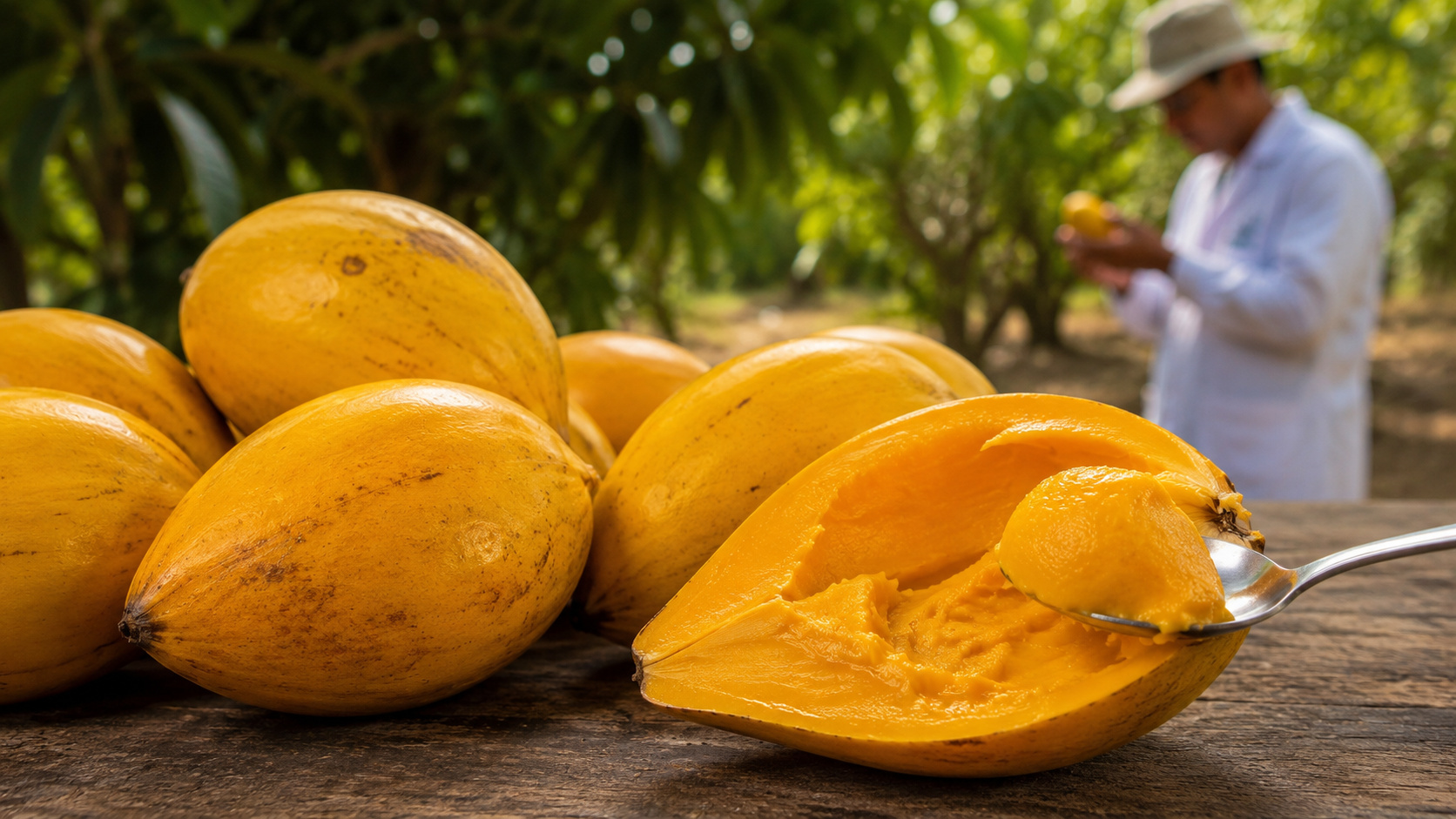
Rare Tropical Fruit Canistel, with Egg Yolk Color and Caramel Flavor, Gains Interest from Researchers and Small Producers in Brazil
-
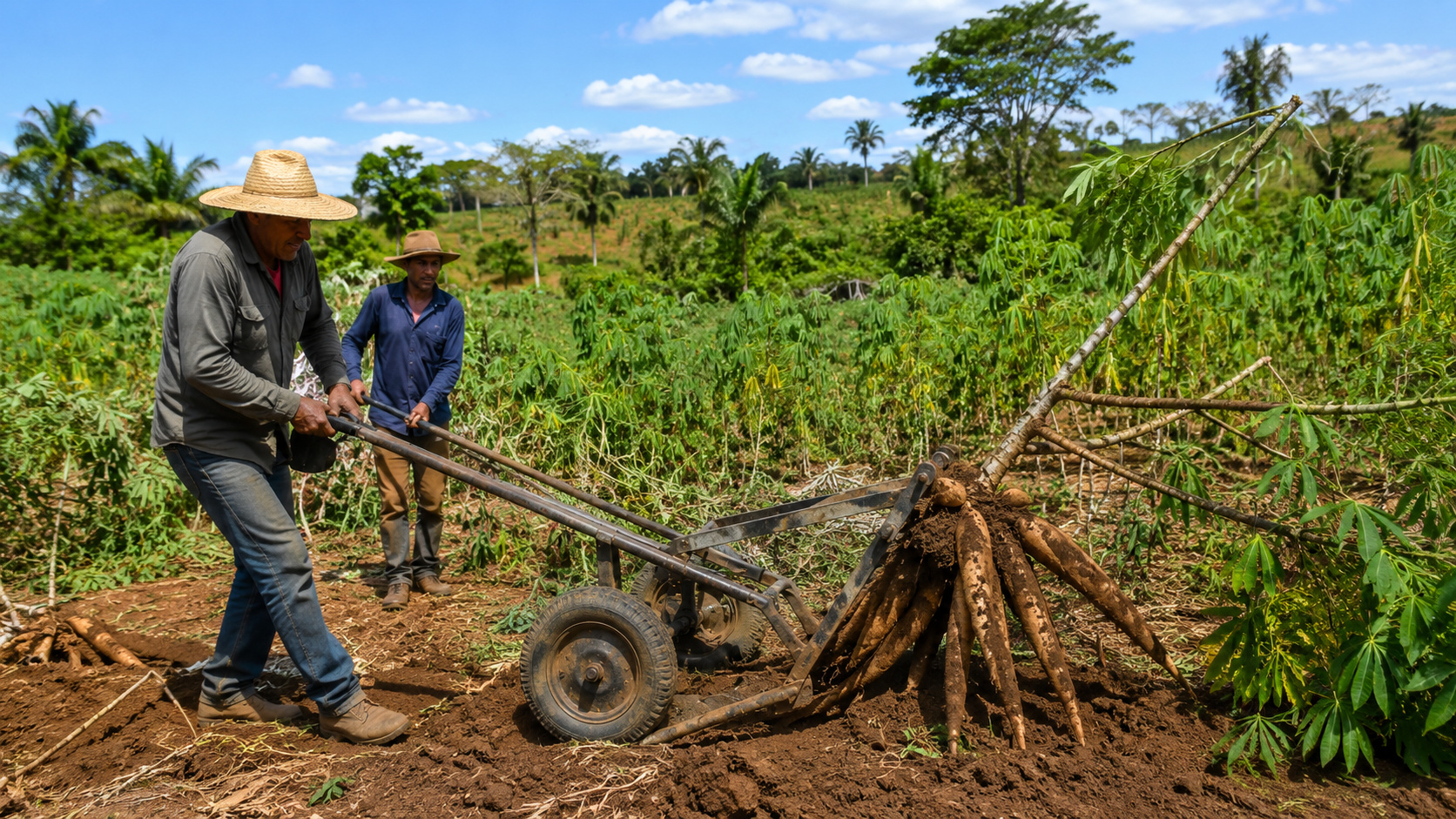
Brazilian Farmers Develop Wheeled Metal Lever to Ease Cassava Harvesting Without Heavy Machinery


Farmer was fined for patented fruit after operation by authorities
The case of the farmer fined for patented fruit came to light after an operation conducted by rural inspection agents. During the action, thousands of trees of the protected variety were identified.
The plantations were distributed across different areas of the property. Additionally, the producer was using plant propagation methods to expand the cultivation.
Although common in fruit farming, these practices were carried out without authorization. Thus, the irregularity resulted in the imposition of the fine.
The penalty imposed on the fined farmer is directly linked to the improper use of the protected fruit. The variety has exclusive rights for commercial exploitation.
This means that any producer needs prior authorization to cultivate it. In this case, there was no licensing or payment of royalties. Therefore, the cultivation was considered illegal. As a consequence, the producer was fined and taken to court.
How do rights over fruits work?
Modern fruit varieties are the result of long processes of research and development. Therefore, they receive legal protection for a determined period. During this time, only authorized producers can use them commercially.
Additionally, it is mandatory to pay fees for the use of the technology. In the case of the farmer fined for fruit, these requirements were ignored. This led to the imposition of strict sanctions.
Characteristics of the patented fruit explain its high value
The fruit involved in the case is considered high standard in the European market. Its development focused on quality and commercial appeal.
Among the differentiators are the uniform appearance and intense coloration. Additionally, it has a sweet flavor, firm texture, and good post-harvest resistance.

These characteristics increase its market value. Therefore, its use is controlled by specific rules.
Fined farmer may face prison sentence
In addition to the million-dollar fine, the farmer may serve a prison sentence of one to three years. Local legislation provides for harsher penalties for this type of infraction.
The producer was detained during the operation. Later, he was released but will continue to face legal proceedings. This shows that non-compliance with the rules can have serious consequences. It is not just about financial loss.
Case raises alert in the agricultural sector
The episode involving the farmer fined for patented fruit has raised concerns among producers. The trend is for inspections to become more rigorous.
With the advancement of technology in the field, new requirements arise. Thus, farmers need to be attentive to legal norms.
Moreover, control over protected cultivars is expected to increase. This directly impacts the way of production. The case also serves as a warning for other countries, including Brazil. Even with national genetic improvement programs, the use of protected varieties requires authorization.
In this context, Embrapa’s initiatives show the importance of innovation in the field. However, the use of these technologies must follow specific rules.
With information from Compre Rural