






 Portuguese
  Spanish
  4 min of reading
  0 comments


Fake city with houses, hospital, supermarket, data center, and over 200 servers reproduces real cyberattack scenarios
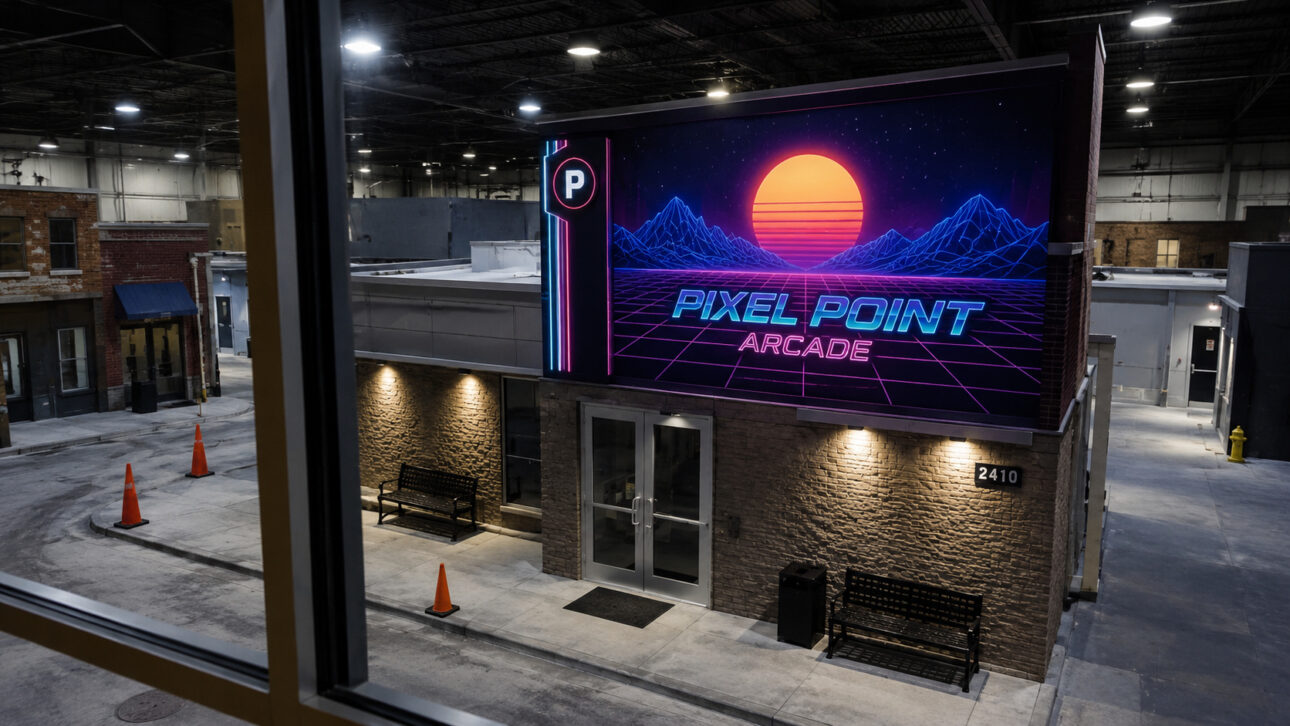
An unprecedented training structure was created by the FBI in Huntsville, Alabama, drawing attention for how it transforms a mock city into a digital warfare laboratory. The Kinetic Cyber Range was inaugurated in February 2025 and occupies about 2,044 square meters within the FBI campus. At first glance, the space looks like a typical American city, with furnished houses, hotel, supermarket, hospital, courthouse, gas station, and even a power company. No residents live there because each environment was designed to simulate hacker attacks, digital invasions, and disruption of essential services. The project shows how the FBI seeks to prepare agents to face real crises before they happen outside the controlled environment.
Simulated city reveals new phase in the fight against hacker attacks
The facility was designed to reproduce environments of companies, public agencies, and essential services on a real scale. Modern cyberattacks do not only target isolated computers, as they can compromise hospitals, power grids, corporate systems, and public infrastructure. More than 1,400 people have already participated in the exercises conducted at the site, according to information attributed to the FBI. The main focus of the training is on ransomware, a criminal modality that hijacks digital systems and demands payment to release access. Other threats are also included in the simulations, especially those capable of interrupting essential services and amplifying damage in a short time.
Data center transforms training into realistic digital crisis
In the center of the mock city, there is a data center equipped with over 200 physical servers. These devices run systems like Windows and Linux, reproducing common environments in real companies. The structure allows agents to face networks, emails, firewalls, and corporate systems under pressure. Agent Dave Beachboard, responsible for the program, described the environment as cold, cramped, noisy, dark, and uncomfortable. This condition is part of the training, which also tests psychological resilience, decision-making, and technical response in stressful situations. The goal is to bring participants’ routines closer to a true digital crisis.
-
More than 100 scientists warn of a new era of persistent droughts in India, China, the United States, the Mediterranean, and parts of Africa, with rivers under stress and the risk of continuous water shortages.

-
Solar buoys with ultrasound arrive at the Tietê River to try to curb the advance of algae, monitor water quality, and protect areas used by tourists, fishermen, and residents.
-
3D printers become a business in the hands of two students from Manaus and reveal early talent for entrepreneurship
-
China took 46 years to surround its largest desert with a 3,000-kilometer green belt, but the megaproject against sandstorms still faces drought, low tree survival, and advancing desertification in the Taklamakan.





Ransomware and public infrastructure are at the center of concern
Ransomware has gained prominence because this type of attack can block entire systems and cause significant losses. Hospitals, energy companies, and public services appear as sensitive targets, as they depend on digital networks to function. A successful invasion can paralyze services, delay operations, and compromise essential functions. The FBI uses the simulated city to anticipate responses to scenarios considered serious. This format reinforces the need to prepare agents before a real crisis reaches a significant impact.
Digital forensics expands the use of the scenic city
The space also serves to train digital forensics, a technique used to access data on encrypted devices during criminal investigations. This area generates debate because some tools can exploit vulnerabilities unknown to manufacturers like Apple and Google. The practice raises discussions about privacy, public safety, and the limits of governmental access to personal information. Within the FBI’s proposal, forensics appears as an essential part of the response to digital crimes. The training, therefore, combines attack simulation, technical analysis, and criminal investigation.
Billion-dollar losses explain the advancement of training
The investment occurs in a context of strong growth in cybercrimes in the United States. According to the FBI’s 2025 Internet Crime Report, losses caused by digital crimes exceeded $20.9 billion in the previous year. The value represents a 26% increase compared to the previous period, which increases the pressure on security authorities. Increasingly sophisticated attacks require quick responses, especially when targeting hospitals, energy, and public infrastructure. The FBI bets on training that places agents inside a simulated crisis, not just in front of technical manuals.
The fake city in a broader context
The creation of the Kinetic Cyber Range shows how digital security has taken on a strategic role in the protection of essential services. Hacker attacks are no longer issues confined to the technology sector and have come to represent a direct risk to activities used daily by the population. An invasion can affect hospitals, energy, companies, public agencies, and service systems. The mock city functions as a laboratory to anticipate problems that could affect real communities. This training highlights the growing concern with attacks capable of combining digital damage and physical impact.
The future of the response against cyberattacks
Security authorities assess that preparation against ransomware should gain even more importance in the coming years. The dependence on digital systems makes companies and public services more vulnerable, although realistic training can improve response capacity. The FBI tries to turn simulations into an operational advantage against increasingly organized criminals. The city that doesn’t exist prepares investigators to protect the cities that do exist.
In light of the rise in hacker attacks, what do you believe should be the priority: expanding realistic training to protect essential services or strengthening privacy rules in accessing digital data?







Be the first to react!