






 Portuguese
  Spanish


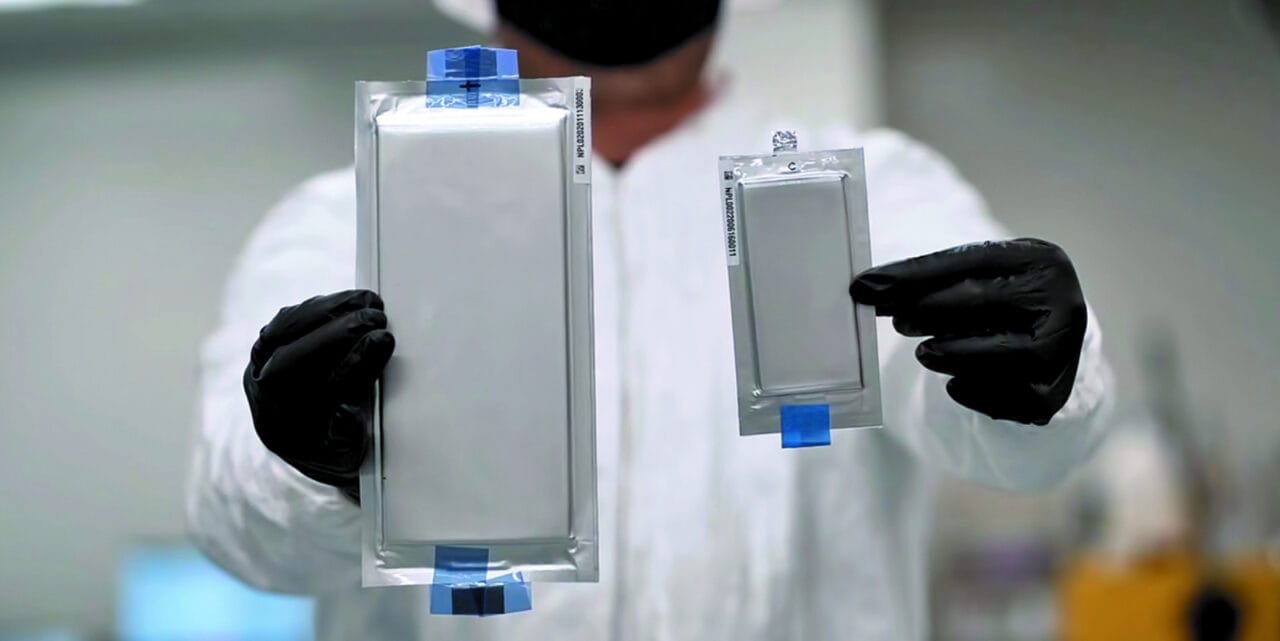

Toyota Announces Significant Advance in Solid-State Battery Production, With Launch Expected in 2027.
Toyota, a global leader in the automotive industry, has faced criticism and praise for its cautious approach to electric vehicles. While it has adopted a gradual strategy to introduce new electric models, the automaker has made notable progress in the field of automotive batteries. Recently, the company announced an innovative solid-state battery technology that promises to be a game-changer for the automotive sector.
Toyota Announces New Solid-State Battery Technology
While electric cars have made significant strides, range anxiety is still one of the biggest concerns for potential buyers. Currently, the Lucid Air Sedan has the longest range, reaching up to 830 km on a single charge.
Furthermore, this is a luxury vehicle with a starting price of over $139,000, making it inaccessible for most buyers in the market. Being a revolutionary automaker in 1999, when it brought the first hybrid technology car, Toyota now seems poised to change the industry trajectory again with its solid-state batteries that are safer, cheaper, and can deliver ranges of 1207 km.
-
1983 Chevrolet Runs Over 100,000 km Without Gasoline, Powered by Wood Chips, Reaches 125 km/h in Airport Test

-
Workshop Converts Giant Tractor Tire Tricycle into a Three-Wheel Drive Hybrid with 36,000-Watt Electric Motor Capable of Climbing Hills

-
Chery Offers Lifetime Battery Warranty and Car Replacement for Major Failures Under New Chinese Regulations
-
Sales of Brazil’s Cheapest Electric Car Halted Before First Deliveries: E-Motors Suspends Emova Easy Due to Import Tax Increase and Rising Freight Costs





Conventional lithium-ion batteries use a liquid or gel electrolyte, facilitating the movement of charged particles between the battery electrodes; however, the use of this electrolyte presents certain challenges and safety concerns.
These batteries can leak and overheat, posing a significant risk to the driver and passengers. The electrolyte material in lithium-ion batteries typically consists of lithium salts and organic solvents, which are highly flammable and can ignite upon contact with oxygen. Additionally, they degrade over time, resulting in performance and efficiency loss.
Advantages of Solid-State Batteries
The new solid-state batteries from Toyota replace the liquid or gel electrolyte with a solid material, offering several advantages. First is the elimination of the flammable liquid electrolyte, significantly enhancing safety.
The new automotive batteries are less prone to leaks, overheating, and fire-related risks. This safety improvement is critically important for the industry. Moreover, this new technology is capable of providing high energy density, meaning it can store more energy in the same space, which can result in greater range for electric cars, attracting more consumers.
Solid-state batteries may also have a longer lifespan and durability compared to lithium-ion batteries. With reduced degradation over time, solid-state batteries can provide more consistent performance and a longer lifespan, which reduces the need for battery replacements.
Toyota Comments on Its New Technology
In a recent interview, Toyota’s Chief Technology Officer, Hiroki Nakajima, made an exciting announcement, stating that the company has successfully overcome the hurdle in developing solid-state batteries.
While specific details about the materials have not been revealed, the automaker plans to introduce these batteries starting in 2027. Initially, the Japanese company intends to roll out these automotive batteries in its hybrid vehicles, a few years before launching its first fully electric vehicles.
When the new batteries become available in 2027, Toyota claims its electric cars will achieve an impressive range of 1200 km, surpassing the current record holder. Additionally, Toyota’s advanced technology aims to significantly reduce charging time, seeking to achieve a full charge in just 10 minutes.








