






 Portuguese
  Spanish
  3 min of reading
  0 comments


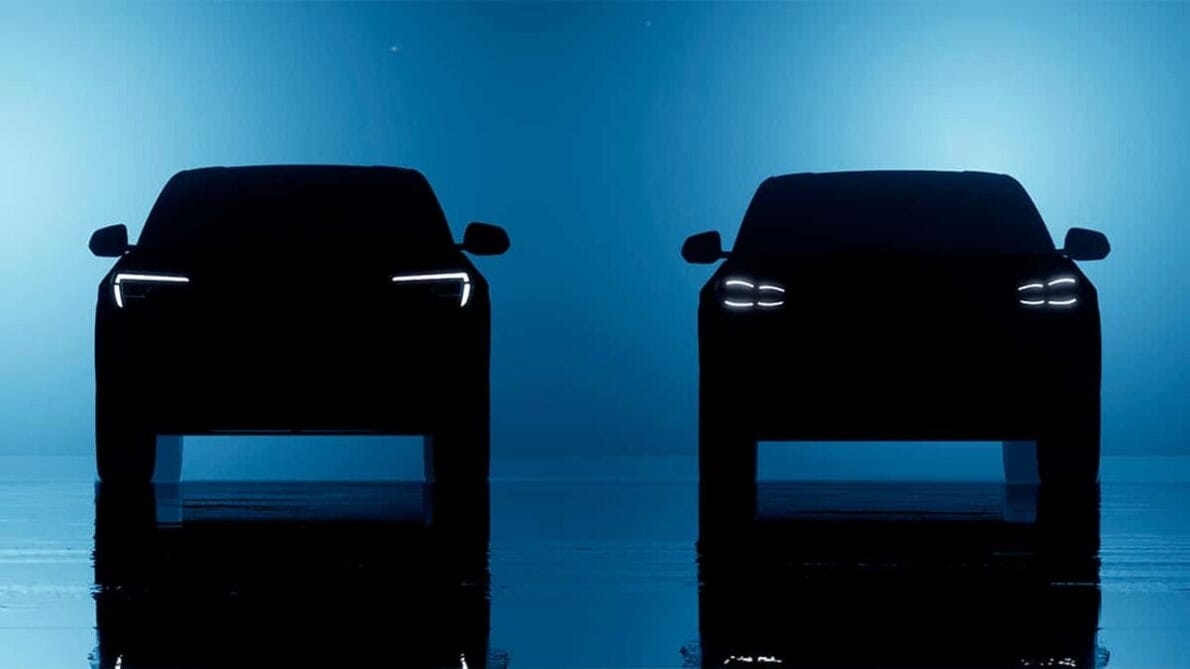
Ford’s CEO Announces That It Is Working On New Popular Electric Cars And Will Leave Pickup Trucks And SUVs Aside For A Short Period. A New Team Has Been Assembled In California To Develop A Cheap Electric Car.
Ford’s CEO, Jim Farley, is rethinking the brand’s positioning in the automotive industry regarding electrification in an important way. Last Wednesday, 23rd, the executive stated that the brand needs to focus on providing popular electric cars to consumers going forward and not large battery-powered pickups. The idea of a cheap electric car from Ford is quite a surprising admission from a company whose identity is deeply tied to selling large trucks.
Understand Why Ford Plans To Launch Popular Electric Cars And Leave Pickup Trucks Aside, Ford’s CEO Explains


As Farley explains, the shift to electric vehicles has turned the automotive industry upside down. With internal combustion vehicles, bigger has always been better, as a larger vehicle can command a higher price, which ultimately generates larger profit margins for Ford.
In simple terms, the manufacturer can make more money per unit selling the US$ 65,000 F-150 than the US$ 25,000 EcoSport. This simple math has led Ford and its peers to prioritize large pickups and SUVs over smaller cars.
-
Chinese Giant Uses Metal Structures and Cranes to Deliver Over 700 Electric Cars to Brazil

-
Uber Faces Shareholder Scrutiny as Board Accused of Ignoring Safety, Compliance, and Harassment Warnings Amid Over 3,500 U.S. Lawsuits

-
Ferrari’s First Electric Car Divides Fans, Priced at $630,000, Amid Concerns Over Limited Editions; Brand Clarifies It’s Not Just for Future Perks
-
BYD Dolphin Mini: The Electric Car That Defies Depreciation, Losing Only 3.58% in a Year and Becoming the Best-Selling Retail Model Under $22,000


However, in the electric era, it’s different. According to Farley, during Ford’s second-quarter earnings conference, the larger the vehicle, the larger the battery, the greater the pressure on the margin because customers will not pay a premium for those larger batteries.
On the contrary, it’s the fact of making smaller batteries that can increase margins by lowering costs. Additionally, Farley added, the US$ 7,500 federal discount for electric vehicle purchases becomes a bigger factor when applied to a cheaper vehicle.
How Are Ford’s Sales In The Electric Industry Doing?
The lithium-ion battery is the most expensive part of an electric car. And large, heavy SUVs and pickup trucks require more battery capacity to provide a range that satisfies consumers.
All of this makes it difficult for many buyers. An electric pickup Ford F-150 Lightning with a range of 320 miles will cost at least US$ 68,000, about US$ 20,000 more than the equivalent gasoline-powered model.
Ford hasn’t been able to find as many buyers for the F-150 Lightning as it expected. Recently, the manufacturer planned to ramp up production to an annual volume of 150,000 units by the end of 2023. However, it significantly reduced those ambitions. The company ended last year with around 24,000 electric pickups sold.
In contrast, about 750,000 customers bought gasoline-powered Ford pickups in 2023. This shows that automakers cannot drift, offering electric versions of their gasoline vehicles.
Average Price Of Ford’s New Popular Electric Cars
Returning to Ford’s new cheap electric car, the brand has not officially stated what they will be like, but we know that it has formed a small team in California to develop a new platform for popular, affordable electric cars. The brand’s executive refers to the team as Ford’s Skunkworks.
Farley mentioned that Ford’s new cheap electric car will be differentiated, with prices below US$ 40,000 or even below US$ 30,000 (R$ 225,000 and R$ 168,000 respectively). Popular electric cars would fill a gap in the U.S. electric vehicle automotive industry, which heavily leans towards the premium end of the spectrum and offers few truly affordable options.
Farley also mentions that Ford’s new cheap electric car could offer a lot of interior space in a small silhouette, as it lacks all the bulky parts of a conventional powertrain.


Be the first to react!