






 Portuguese
  Spanish


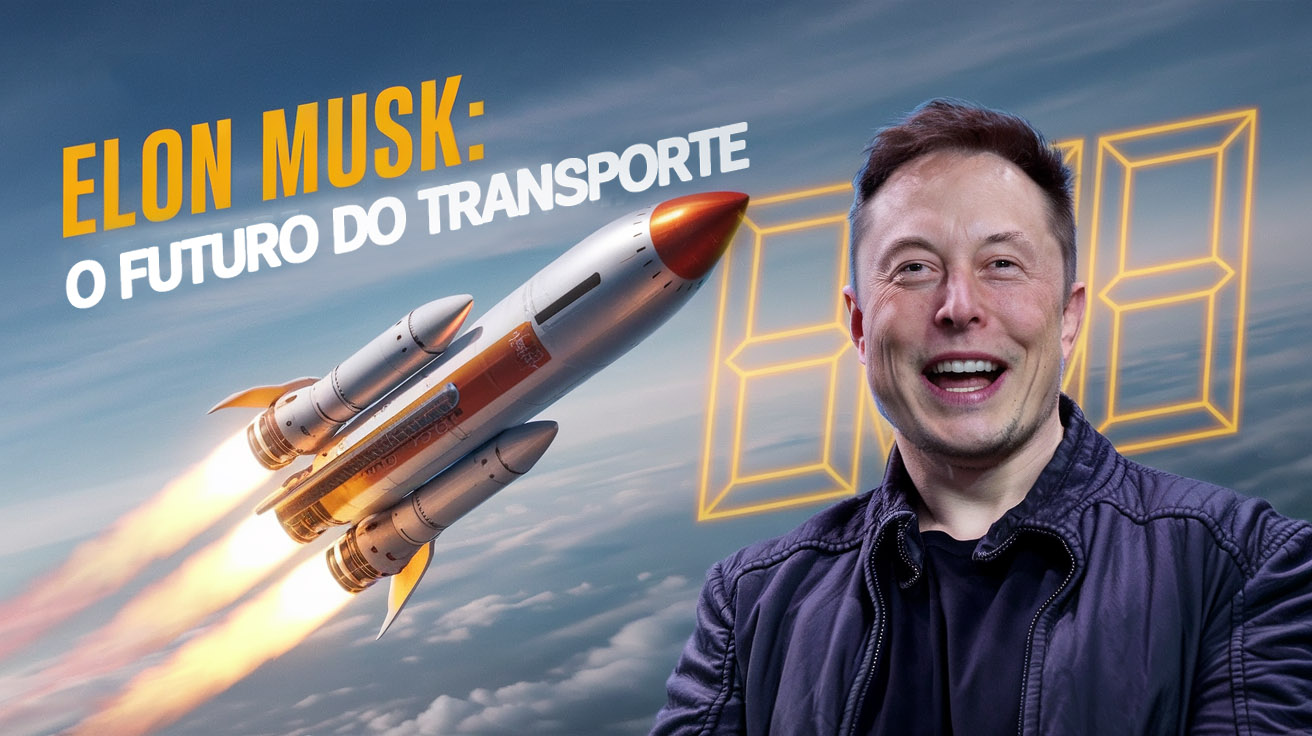


Elon Musk May Retire Airplanes. Starship Rockets Promise Less Than One-Hour Travel Between Cities Around the World, Reaching Speeds of Up to 27,000 km/h.
Imagine crossing the planet in less than an hour, without long waits at airports or endless flights.
This idea, which seems straight out of a science fiction movie, is the latest plan from Elon Musk, who wants to transform intercontinental travel with rockets.
Traditional commercial airplanes may be numbered if the billionaire founder of SpaceX’s vision becomes reality.
-
Pennsylvania Mine Creates Ice in Summer Heat and Melts in Winter, Turning a Mountain Crevice into a Reverse Natural Refrigerator

-
China Accelerates Global Expansion of Robotics: From Smart Vacuums to Industrial and Humanoid Machines, Millions Exported to Over 150 Markets
-
Polar Air Mass to Hit Brazil: Temperatures to Plummet in Nine States, Near Freezing in the South with Frost Risk Until Monday
-
Chinese “dark factories” produce electric cars 24/7 with minimal human intervention, as Zeekr assembles 800 units daily, raising concerns in Brazil.




The Bet on Starship
Elon Musk and his SpaceX are betting on the Starship rocket, a gigantic vehicle made of stainless steel, standing an impressive 395 feet tall and capable of reaching speeds of up to 27,000 km/h.
According to the billionaire, this speed would allow major cities to be connected in less than one hour, drastically reducing travel time.
To give you an idea of the impact, Starship would enable routes like London to New York in just 29 minutes or New York to Sydney in 49 minutes, trips that currently take over ten hours.
Capacity and Experience on Board
The Starship is designed to carry up to 1,000 passengers at a time, but the experience on board will be different from anything we’ve seen before.
According to the Daily Mail, passengers would face intense gravitational forces during launch and landing, as well as experience low gravity conditions for the rest of the journey.
For safety reasons, all occupants will need to keep their seatbelts fastened for the entire trip.
Another curious detail is that there will be no bathrooms or dining areas on the rocket, as the journey will be extremely short.
Musk has compared the Starship to an “ICBM (Intercontinental Ballistic Missile) traveling at Mach 25,” explaining that the experience would be similar to a thrilling roller coaster, like Disney’s Space Mountain.
The Regulatory Challenges
Despite Musk’s enthusiasm, the project faces significant regulatory and technological hurdles before it becomes a reality.
The Federal Aviation Administration (FAA), the regulatory body in the United States, will need to approve a series of permits for “Earth to Earth” flights to be feasible.
Safety issues at high speeds, noise generated by launches, and potential environmental impacts are some of the main obstacles that SpaceX will have to face.
Additionally, there are speculations that a second term for Donald Trump as president of the U.S. could expedite regulatory processes, given his more favorable stance toward technological innovations.
Is the Future of Airplanes Threatened by Elon Musk’s Idea?
Although Starship represents a significant advance in global transportation, experts point out that it will still take years for Musk’s vision to become reality.
The challenges are many, from fully developing the technology to the approval of regulations and the public’s acceptance of using rockets as a means of transport.
In the meantime, airlines continue to seek ways to improve the efficiency of their airplanes, investing in sustainable fuels and supersonic aviation technologies.
However, it is undeniable that Starship could mark the beginning of a new era in global mobility, putting commercial airplanes at risk for long-distance travel.
The Environmental Impact of Elon Musk’s Idea
One concern is the environmental impact caused by rockets.
Although Musk claims that Starship uses liquid methane and liquid oxygen as propellants, which are considered less harmful to the environment than traditional fuels, critics argue that the increase in frequent launches could lead to problems.
Moreover, the noise generated by launches in urban areas and effects on air traffic are issues that will also need to be addressed.
Dream or Reality?
Starship is an innovation that promises to transform not only global transportation but also our perception of distance and time.
If the project overcomes current challenges and barriers, it could usher in a new era of ultra-fast intercontinental travel, making the world even more connected.
However, the question remains: Is the public ready to trade the comfort of airplanes for a roller coaster-like experience in space?
What do you think of Elon Musk’s idea? Would you have the courage to travel on a rocket to reach anywhere on the planet quickly? Leave your opinion in the comments!







Eu quero
Eu JAMAIS teria coragem, nem de graça eu iria… kakakakak 🤭😂😂
O avião eu já tenho Pânico, imagina um foguete..🚀..Pois nunca andei de montanha russa por falta de coragem…🤭😂😂😂
Acho a ideia incrível, mas prefiro levar 20 horas ou dias dentro de um ✈️.
Claro q sou a favor. O avanço tecnológico é inexorável. Não depende de uma minoria medrosa aceitar ou não. Memo o q parece impossível vai acontecer.
Eu não vou mas porque não para quem gosta de adrenalina?