






 Portuguese
  Spanish
 3 min of reading
  0 comments


Coastal Cities Around the World Are at Risk, and Brazil Is No Exception. In a Recent Alarming Study, the UN Revealed That Ten Cities Could Be “Swallowed” by the Sea by 2050 Due to the Devastating Effects of Climate Change.
Among the threatened are two of the most famous Brazilian cities. The study, which used data from the United Nations Development Programme (UNDP) and the Climate Impact Lab (CIL), paints a bleak picture for the future of coastal regions.
The phenomenon is not exclusive to Brazil. The world is increasingly witnessing the impacts of climate change in a more tangible way.
Recently, Brazil suffered an extreme heatwave, with temperatures reaching 42ºC. Now, the UN warns that many coastal cities in Latin America, the Caribbean, the Pacific, and Small Island Developing States are at risk of permanent flooding if greenhouse gas emissions are not drastically reduced.
-
Brazilian Joins Homeownership Consortium, Faces Decade of Dual Payments Totaling $141,000, Surpassing Traditional Mortgage

-
Helicopter Drops 180 Tons of Sand and Gravel on Swedish River to Revive Ecosystem Damaged by Decades of Exploitation

-
Brazilian Company Launches Retro Smartphone with 48 MP Camera, T9 Keyboard, and Privacy Features for Social Media-Free Use

-
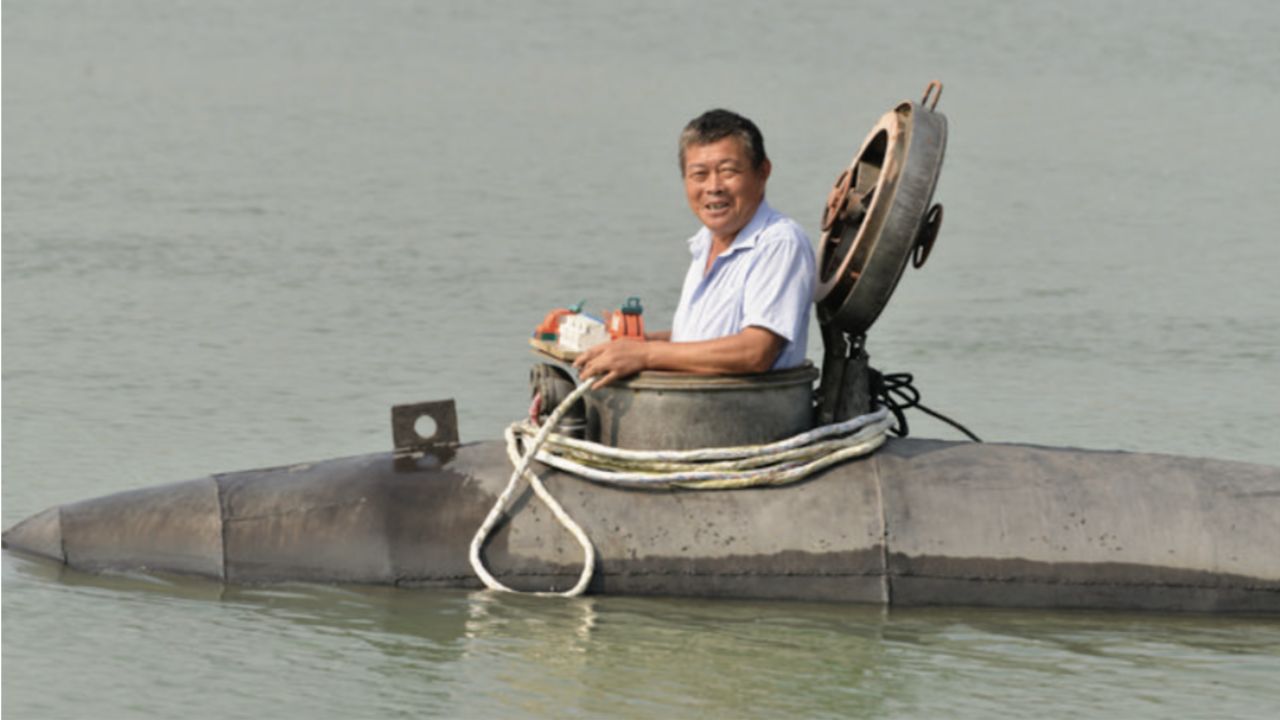
Self-Taught Chinese Farmer Builds 5-Ton Submarine from Scrap, Launches It in Anhui River



Impact of Climate Change on Coastal Cities
According to the study, hundreds of highly populated coastal cities will face significant risks of permanent flooding by 2050.
These events will not only affect local infrastructures but also human development in these regions. Lands that currently house about 5% of the population of cities like Santos may face serious flooding and loss of territory.
Which Cities Are at Risk of Being Swallowed by the Sea?
The list of threatened cities includes metropolises from various parts of the world, reflecting the breadth of the climate crisis. The threatened cities include:
- Santos (Brazil)
Vulnerable due to its low coastline and dense urban development.
- Rio de Janeiro (Brazil)
Faces risk due to rising sea levels and its extensive coastline.
- Guayaquil (Ecuador)
The coastal city is exposed to flooding, especially in lower areas.
- Barranquilla (Colombia)
Similar to Guayaquil, it faces risk due to its coastal location.
- Kingston (Jamaica)
The Jamaican capital is threatened by rising sea levels.
- Cotonou (Benin)
This city in West Africa is at risk due to its low altitudes and coastal erosion.
- Kolkata (India)
Highly populated, it faces frequent flooding exacerbated by climate change.
- Perth (Australia)
Increased risk of coastal flooding due to rising sea levels.
- Newcastle (Australia)
The city faces challenges similar to those of Perth, with threats to coastal infrastructure.
- Sydney (Australia)
The iconic Australian city may see urban areas submerged without mitigation measures.
These cities represent a small sample of global locations at risk. The scenario is critical: by the end of this century, 5% or more of these cities could be permanently submerged if greenhouse gas emissions are not controlled.
What Can Be Done to Reduce the Risks?
The UN has emphasized the urgency of measures to mitigate these risks. Among the recommended actions are:
- Reduction of CO2 Emissions: the transition to renewable energy and the implementation of sustainability policies are crucial.
- Increased Public Awareness: educational campaigns are essential to raise awareness among the population about environmental preservation.
- Adaptation of Infrastructures: it is necessary to strengthen and adapt coastal structures to withstand future flooding.
- Climate Monitoring: investments in technology to monitor climate changes in real-time are essential to predict and mitigate the effects of changes.
The Future of Brazilian Cities Santos and Rio de Janeiro
For cities like Santos and Rio de Janeiro, the challenges are particularly acute. According to experts, in addition to the risks of flooding, there are potential devastating social and economic impacts.
The loss of territory to the sea could lead to the disbandment of entire communities, negatively affecting tourism and other crucial economic activities.
In this sense, it is noted that the UN study is a warning of the need for urgent and concrete actions to reduce emissions and adapt infrastructures. In other words, this is a call to action that cannot be ignored, especially for the most vulnerable coastal cities.
But, dear reader, we want to know, with so many cities at risk, do you believe that global governments are doing enough to combat climate change? What more could be done to protect these regions?




Be the first to react!