






 Portuguese
  Spanish
  5 min of reading
  0 comments


Invisible consumption from appliances in standby can increase electricity bills and raise electrical risks inside the home, especially when high-power equipment remains unnecessarily connected in old or overloaded installations for long periods.
Keeping appliances plugged in after use seems like a harmless habit of modern routine, but experts warn that the practice can increase energy waste and amplify silent electrical risks within homes, depending on the type of equipment and the structure of the installation.
In addition to the impact on the electricity bill, equipment continuously connected to the grid is more exposed to electrical surges caused by utility fluctuations, storms, and internal installation failures, a situation that can compromise electronic components and reduce the safety of the home environment.
Household appliances that require more attention daily
Among the appliances that deserve greater care are those that use electrical resistance to generate heat and do not have efficient automatic shutdown, a condition that increases the risk of overheating in case of failure, forgetfulness, or poor contact in the socket.
-
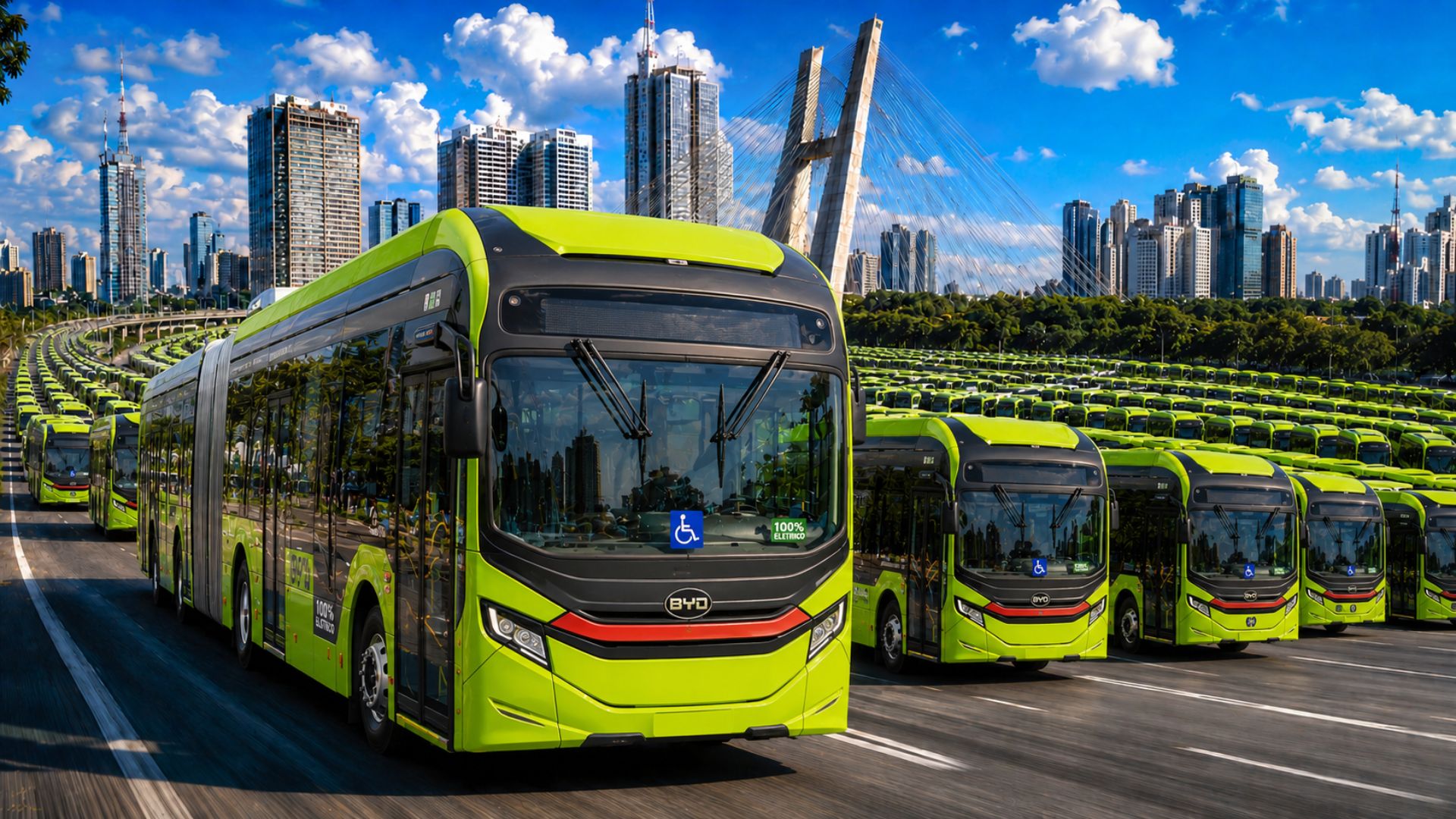
The “Chinese invasion” has arrived: BYD already dominates almost 45% of the electric buses registered in Brazil in May 2026, while 80% of the entire electric fleet in the country is concentrated in São Paulo with 1,300 vehicles.

-
From toy to track machine: Koenigsegg Sadair’s Spear made with over 327,000 Lego pieces reaches 111 km/h and surpasses the former Bugatti Chiron record.

-
Deep-sea marine animal can go more than 5 years without eating, combining physical adaptations and genetic mechanisms to survive in environments with extreme food scarcity; meet the Bathynomus.

-
Science wants to know what football does to you: study gathers smartwatch data to understand the real impact of World Cup emotions on the human body


This list includes irons, sandwich makers, grills, simple electric coffee makers, portable heaters, flat irons, and hair dryers, appliances that operate at high temperatures and can pose a danger when left unsupervised for many hours.

To CNN Brasil, engineer and professor Clever Approbato, from the FMU University Center, stated that “the household appliances that really should be unplugged are the iron, sandwich maker or grill, simple electric coffee maker, portable heaters, and personal care items like flat irons and hair dryers.”
According to the specialist, the main problem lies in the combination of constant heat and inadequate electrical installations, a scenario that favors excessive heating, cable wear, and silent failures capable of causing short circuits or even incipient fires in extreme situations.
Air fryer and microwave work differently
Although many people adopt the habit of unplugging all appliances immediately after use, more modern equipment usually operates with internal protection systems that reduce risks when not in active use within the residence.
Current models of air fryers and microwaves, for example, automatically stop heating after use and remain only connected to the electrical grid, a situation considered less concerning compared to appliances that remain continuously energized.
Still, Clever Approbato explained to CNN Brasil that “if the air fryer and microwave are not in operation, there are no problems, but the sandwich maker and coffee maker should not remain always plugged in.”
Even considered safer in daily life, appliances with electronic boards remain vulnerable to voltage surges caused by lightning or fluctuations in the electrical grid, especially during storms or periods when the house will remain empty for several days.

Phantom consumption can increase electricity bills
In addition to safety issues, experts also draw attention to so-called phantom consumption, silent expenditure caused by standby mode that keeps digital clocks, sensors, indicator lights, and startup systems running even when the appliance is seemingly turned off.
Televisions, video games, sound systems, monitors, routers, microwaves with digital displays, and chargers connected without a cell phone are among the equipment that contribute most to this invisible consumption spread throughout the residence.
Individually, the expense often seems irrelevant in daily life, but the scenario changes when many appliances remain continuously on, especially in homes with several rooms equipped with electronics connected twenty-four hours a day.
According to the professor interviewed by CNN Brasil, a device in standby can consume between 0.5 W and 5 W, while a residence with about ten pieces of equipment in this condition can register a monthly consumption between 15 kWh and 40 kWh.
Although the value varies according to the energy tariff, the number of connected devices, and the rules of the local distributor, experts state that continuous consumption deserves attention because it represents accumulated waste throughout the month without practical benefit for the resident.
Old electrical installations increase risks

More than a matter of household savings, unplugging certain appliances also serves as a preventive measure against electrical damage caused by sudden fluctuations, failures in the utility grid, and atmospheric discharges recorded during storms.
Computers, televisions, video games, routers, modems, and home appliances with sophisticated electronic boards are among the equipment most vulnerable to electrical surges, especially in old properties that do not have adequate grounding or frequent installation maintenance.
As established by ABNT NBR 5410:2004, low-voltage electrical installations must follow specific safety criteria to prevent wire overheating, circuit overload, and failures capable of compromising people, equipment, and the property’s structure itself.
In many cases, the problem is not directly with the connected appliance, but with improvised outlets, poorly executed splices, inadequate extensions, and circuits that receive more electrical load than they were originally designed to support within the residence.
Surge protector is safer than a multi-plug adapter
To increase the number of available outlets, many consumers resort to simple everyday accessories, but experts warn that not all options offer adequate protection against overload or electrical surges caused by grid fluctuations.
Among the alternatives considered safer is the certified surge protector, equipment that may include a fuse, overcurrent protection, and even surge protection systems, depending on the model chosen by the consumer.
On the other hand, simple power strips only multiply the number of inputs without offering additional protection, while the multi-plug adapter, popularly known as a “T”, concentrates a high electrical load at a single point in the household installation.
High-power equipment, such as air fryers, microwaves, hair dryers, heaters, and irons, should not operate simultaneously in the same outlet or adapter, as this practice promotes excessive heating and significantly increases the risk of electrical overload.
Another important precaution involves the correct way to remove the plug from the outlet, as pulling directly on the cord can damage internal cables, cause poor contact, and accelerate the wear of the electrical connection over time.
Recommended precautions before long trips
Refrigerators, freezers, and wine cellars were developed for continuous operation and, in most situations, should remain on during short trips, especially when they still store food and beverages that require constant refrigeration.
When the absence will be prolonged and the equipment is empty, experts recommend unplugging the appliance, cleaning the interior, and leaving the door ajar to prevent mold formation, excessive humidity, and unpleasant odors.
Meanwhile, televisions, computers, chargers, small appliances, and audio and video devices can remain disconnected during long periods away from home, reducing both phantom consumption and the risks caused by unexpected electrical surges.
Depending on the residence’s configuration, there is also the possibility of turning off circuit breakers for non-essential circuits, keeping only what is necessary for refrigerators and freezers, in addition to closing the gas valve before residents leave.


Be the first to react!