Portuguese
  Spanish


Lockheed Martin and the Finnish defense company Insta have established the first European center in Finland dedicated to the maintenance, overhaul, and refurbishment of NATO’s Multiple Launch Rocket Systems — MLRS and HIMARS — transforming Helsinki into a logistics hub for the land weapon that redefined the conflict in Eastern Europe and which more than a dozen allied countries have operated or ordered in the past two years.
What is the MLRS and why Finland became the maintenance center
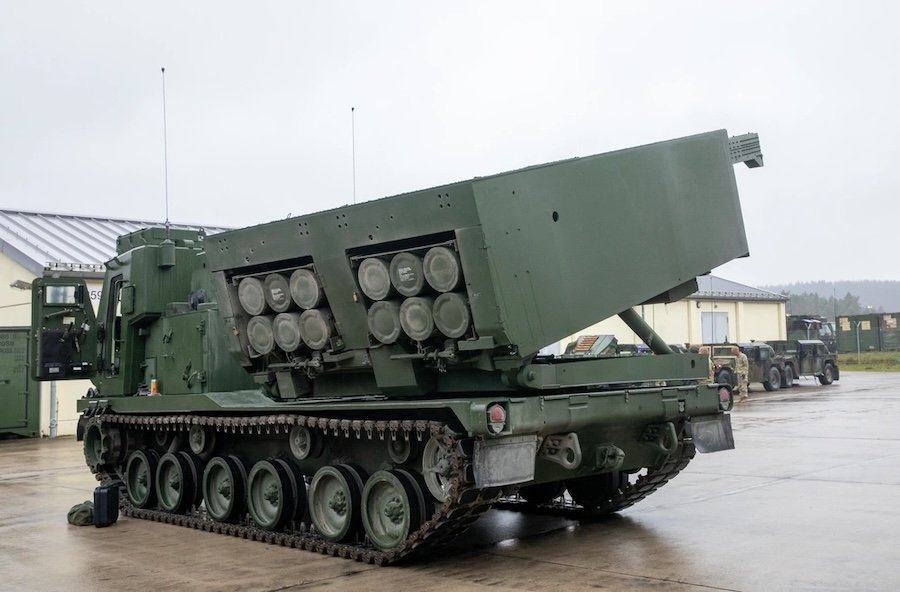
The MLRS — Multiple Launch Rocket System — is a rocket launcher on a tracked chassis that can fire 227-millimeter rockets with a range of up to 300 kilometers using ATACMS missiles. The HIMARS is the lighter version, on a 6×6 truck, with the same ammunition capacity but greater strategic mobility — it can be transported by a C-130 Hercules plane, making it much more flexible for rapid repositioning.
Finland operates one of the largest European fleets of MLRS — more than three dozen systems inherited and acquired over decades of territorial defense against the potential Russian threat. Finland’s experience with the system, combined with the country’s industrial tradition in maintaining complex military equipment and Insta’s expertise in defense electronic systems, made Helsinki the logical choice for the European hub.
Geography also helps: Finland has 1,340 kilometers of border with Russia — NATO’s largest land border with Russian territory after Ukraine — and was the alliance member that most quickly transformed its defense structure after joining in 2023.
-
Ukraine Unveils Autonomous Underwater Drone Capable of Silent Navigation at 300 Meters Deep

-
Saudi Arabia intercepts Iranian cruise missiles mid-air, proving Patriot defense system’s effectiveness
-
Europe Opens Military Satellite Hub in Cologne, Transforming Continental Defense
-
The United States launches autonomous drone ship capable of hunting submarines and firing missiles


Why NATO needed a European center
Before the Finnish center, European MLRS and HIMARS systems depended on maintenance in the United States — specifically at Lockheed Martin’s facilities in Camden, Arkansas. Sending a 25-ton rocket launcher across the ocean by ship to Arkansas, maintaining it for weeks, and bringing it back has a logistical cost and downtime that in a real conflict context is simply unacceptable.
The war in Ukraine showed that MLRS and HIMARS are high-wear systems: the rocket propulsion columns and fire control systems need periodic overhauls, and countries operating the system at high cadence need maintenance capability close to the theater of operations. The center in Finland reduces maintenance time from months to weeks and eliminates transatlantic transportation.
Twelve European NATO countries have recently operated or ordered MLRS or HIMARS: Poland, Germany, France, the United Kingdom, Romania, Estonia, Latvia, Lithuania, Sweden, Denmark, Greece, and Finland itself. This is the market that the Helsinki center will serve — and it’s a market that will grow in the coming years as more countries on the eastern flank increase their fleets.
What Insta does and why having a local company matters
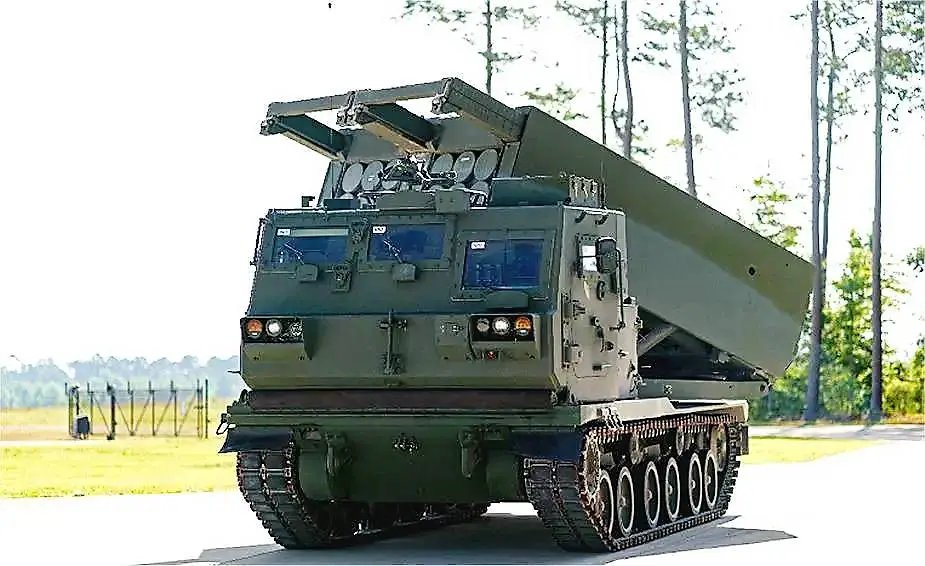
Insta is a Finnish defense company specializing in fire control systems, embedded electronics, and simulator training. The partnership with Lockheed Martin is not just a license for maintenance: it involves technology transfer for the MLRS fire control systems — meaning Finnish engineers will have access to parts of the system’s technical architecture that few allied countries outside the US know.
This knowledge transfer has strategic value beyond the maintenance contract. Finland, which spent most of the 20th century maintaining careful neutrality not to provoke the USSR, has been building a domestic defense industry at impressive speed since 2022. The MLRS hub is another piece of this process.
I wonder what a Russian artillery officer thought when he read the news: Finland, which stayed out of NATO for seventy years, became the maintenance workshop for the most feared weapons on the eastern flank. History sometimes has a heavy irony.
The impact on the operational capability of the eastern flank
NATO has been consolidating its advanced defense posture on the eastern flank since 2022, increasing troop presence in Poland, the Baltics, and Romania. For this posture to be sustainable in the event of high-intensity conflict, it is essential to have maintenance and supply logistics within the theater — not across the Atlantic.
The Helsinki center is not just about MLRS. It’s about building a defense logistics chain that allows NATO to sustain high-intensity operations in Europe for months, not weeks. Rocket batteries without maintenance are rust on tracks. With a nearby support center, they are weapons that work when they need to work.
Read also: Poland that became the largest land army in Europe overnight | France that doubled the firepower of the new frigates.
Do you think NATO is building the right structure for deterrence on the eastern flank, or is the military response still falling short of what the geopolitical situation demands? Comment here.