Portuguese
  Spanish


Frightened by the war next door, Poland opened the vault and ordered tanks, cannons, and rocket launchers in such large quantities that, almost overnight, it assembled the largest land armored force in Europe, surpassing traditional powers like Germany, France, and the United Kingdom, and becoming NATO’s shield against Russia.
Few countries have changed their military stance as quickly as Poland. Neighboring Ukraine and Belarus, and with a heavy historical memory of invasions, it looked at the war in Eastern Europe and decided it would not risk being unprepared. The response was one of the largest land rearmaments the continent has seen in peacetime.
The country raised military spending to a level that embarrasses much of NATO, investing a portion of its economy in defense greater than that of the United States, proportionally. And the money went straight to the battlefield: armored vehicles, artillery, and rockets on an industrial scale.
The unexpected alliance with South Korea
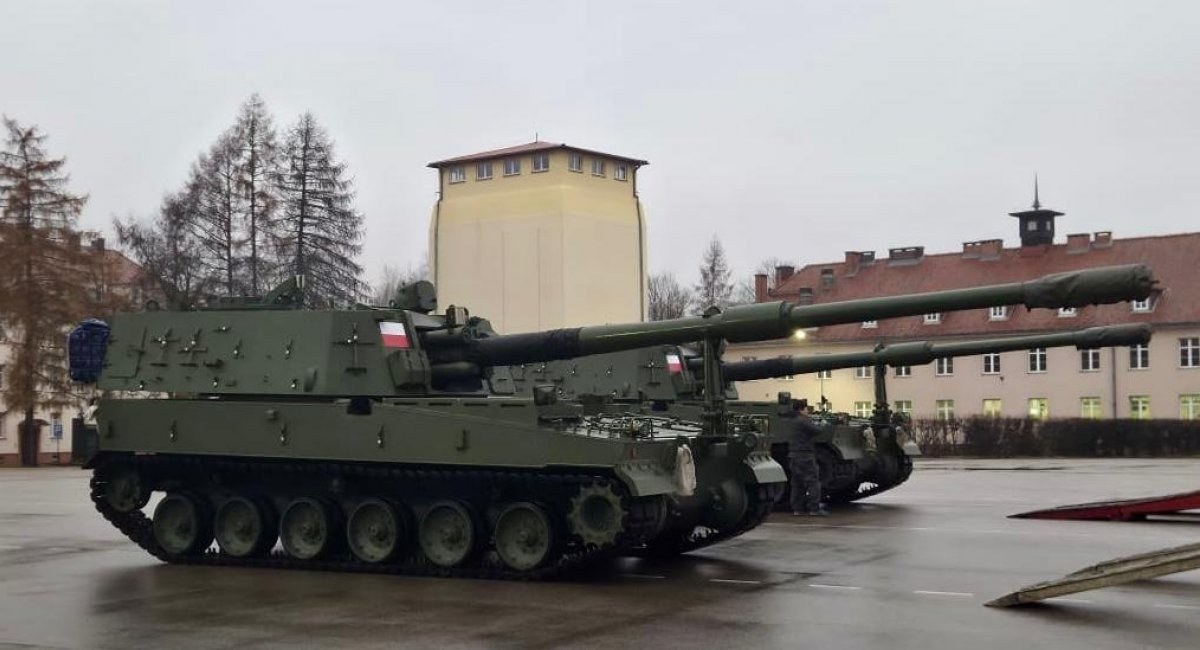
The most surprising detail is where much of this arsenal came from: South Korea. Instead of waiting years for the slow European industry, Poland signed huge contracts with Seoul to receive hundreds of K2 tanks, K9 self-propelled howitzers, and rocket launchers, with quick deliveries and technology transfer to produce part of them on Polish soil.
-
Indonesia Recovers Underwater Spy Drone, Sparking Debate: Is It a Machine or a Warship?

-
UK, Italy, and Japan Collaborate to Build Stealth Fighter Jet Set to Dominate Skies by 2035
-
South Korea Surpasses Germany, Its Former Submarine Mentor, by Advancing to Nuclear Submarines
-
Australia, UK, and US Seal Combat Submarine Drone Pact to Accelerate Attack Fleet


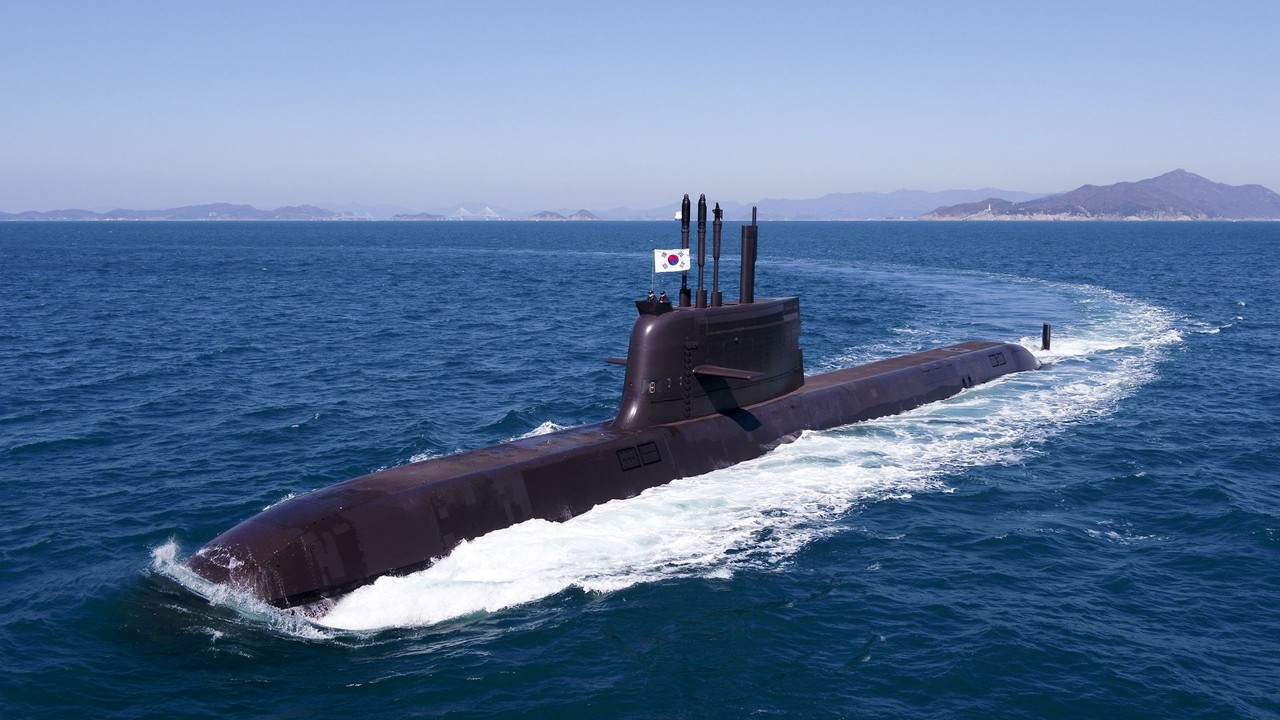

The choice was pragmatic. South Korea maintains a huge and always ready defense industry, precisely because it has lived for decades under the threat of its northern neighbor. It could deliver modern equipment in timelines that Europe would not meet, and Poland needed quantity and speed at the same time.
The agreement turned South Korea into one of the world’s largest arms exporters and gave Poland an arsenal that grows with each delivered batch. It’s a partnership that crosses the planet, uniting two countries living in the shadow of dangerous neighbors.
Impressive numbers
The scale of Polish rearmament is hard to exaggerate. The contracts with South Korea total almost a thousand tanks and hundreds of howitzers and rocket launchers, numbers that put the country with more modern armored vehicles than several European giants combined. The declared goal is to build an army capable of deterring an offensive alone long enough for the entire NATO to react.
This effort is accompanied by a significant increase in military personnel, with Poland aiming to double the size of its Armed Forces in the coming years. It’s not just about buying machines, but training people to operate them, creating bases, and structuring maintenance logistics. It’s the construction of a complete military power, not just a showcase of equipment parked in a yard.
NATO’s new shield
With all this, Poland assumed a role that was once held by others. It became NATO’s land shield on the eastern flank, the frontline if a larger conflict were to erupt in Europe. The country that during the Cold War was on the other side of the curtain is now the advanced wall of the western alliance against Russia.
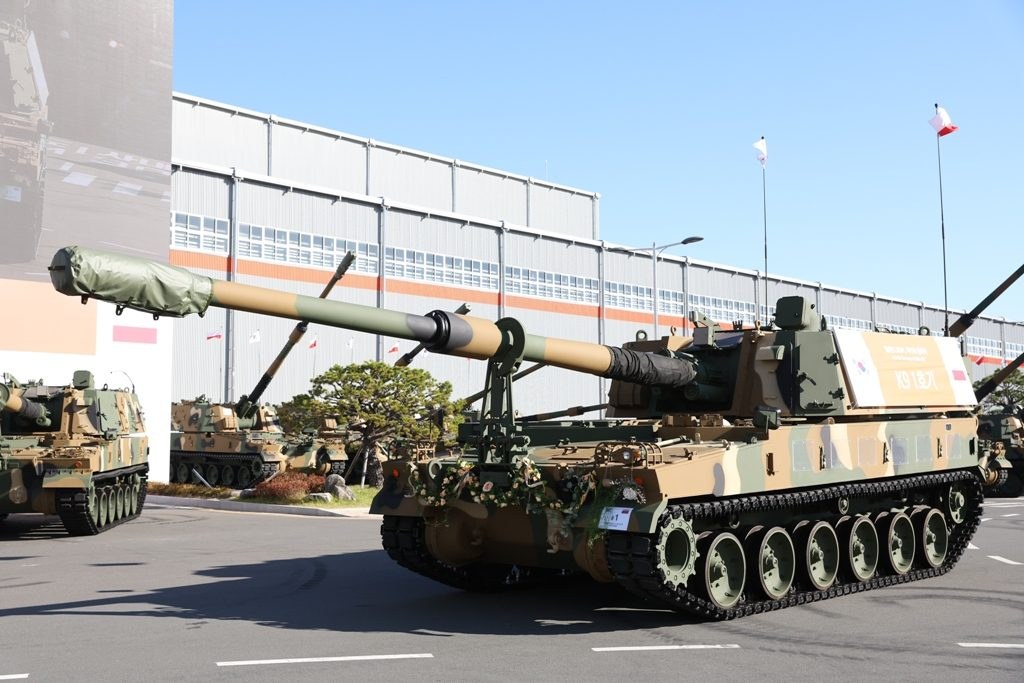
This transformation changes the balance within NATO itself. For decades, Europe’s land force relied on Germany; now, it is Poland that has more tanks, more artillery, and the political will to spend. This gives Warsaw new diplomatic weight and pressures neighbors to also increase their military spending.
Some view such rapid rearmament with caution, fearing an arms race on the continent. But from the Polish perspective, the logic is simple: better to have a force too large and not need it than the opposite, especially with a war happening right across the border.
The message of a medium power
Poland’s case shows how a medium-sized country can, with political will and money, leap into the military first division in a few years. It wasn’t necessary to invent technology from scratch: just buy well, demand local production, and invest heavily and quickly. It’s a formula that other nations are watching closely.

For Brazil, which has a continental dimension and huge borders to defend, Poland’s example brings a reflection on the value of an agile defense industry and strategic partnerships to re-equip the Armed Forces without relying on a single supplier. Buying with technology transfer, instead of just importing the ready product, is the path that several medium-sized countries have chosen to strengthen their own industry while re-equipping, keeping jobs and knowledge at home.
It’s worth remembering that rearming is not just about buying: it requires bases, depots, workshops, and, most importantly, trained soldiers to operate cutting-edge equipment. Poland bets that the combination of quantity, technology, and prepared people will make the difference if the worst happens, and structures all this at an accelerated pace, under the watchful eyes of allies and rivals.
On the European security board, Poland has gone from being a supporting player to becoming a central piece. And it did so on the basis of steel: rows and rows of tanks and cannons that, combined, have redrawn the map of the continent’s land power.
Should a medium power like Poland really spend so much on tanks in the face of the neighboring threat?