






 Portuguese
  Spanish
  3 min of reading
  4 comments


Finland Finds The Fuel Of The Future, Much More Efficient Than Hydrogen, And Begins Secret Production Under The Arctic To Lead The New Era Of Sustainable Energy
The Finland has reached a significant milestone by surpassing economies like the United States, Japan, and China in the race for the fuel of the future. This new fuel, unlike hydrogen and ethanol, promises to revolutionize theglobal energy matrix.
The Nordic country has presented an energy source that has captured the attention of experts worldwide and is already being utilized in the first developed engines, indicating an unstoppable trend that could place Finland at the forefront as a leader in the use of renewable fuels.
Finland’s new bet in the field of future fuel is renewable ammonia, a component recently integrated into a large-scale facility in Kokkola.
-
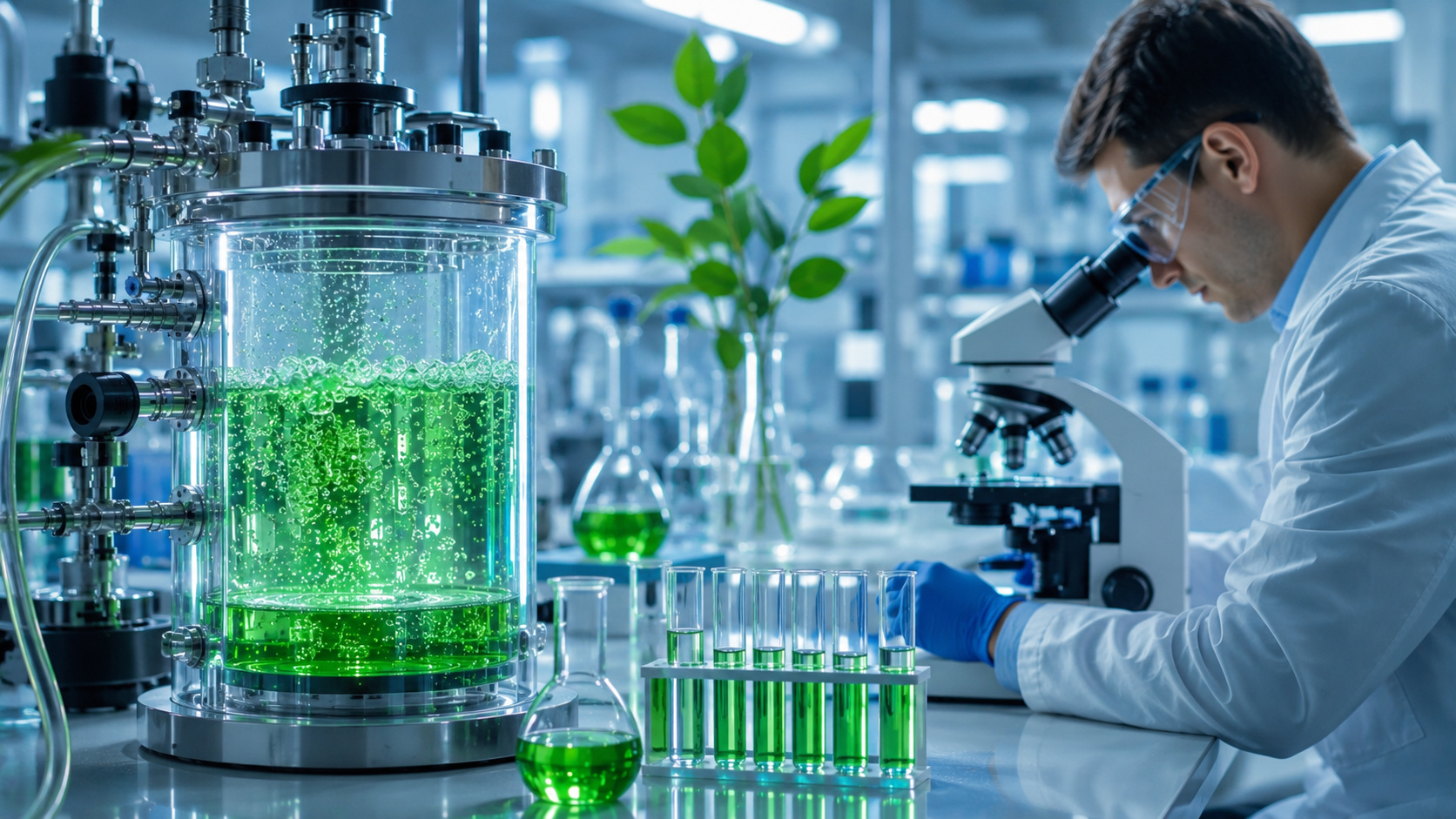
Brazilian scientists are simultaneously advancing two research projects on clean hydrogen and driving solutions that could transform the energy matrix, enhance industrial competitiveness, and accelerate large-scale emission reduction targets.

-
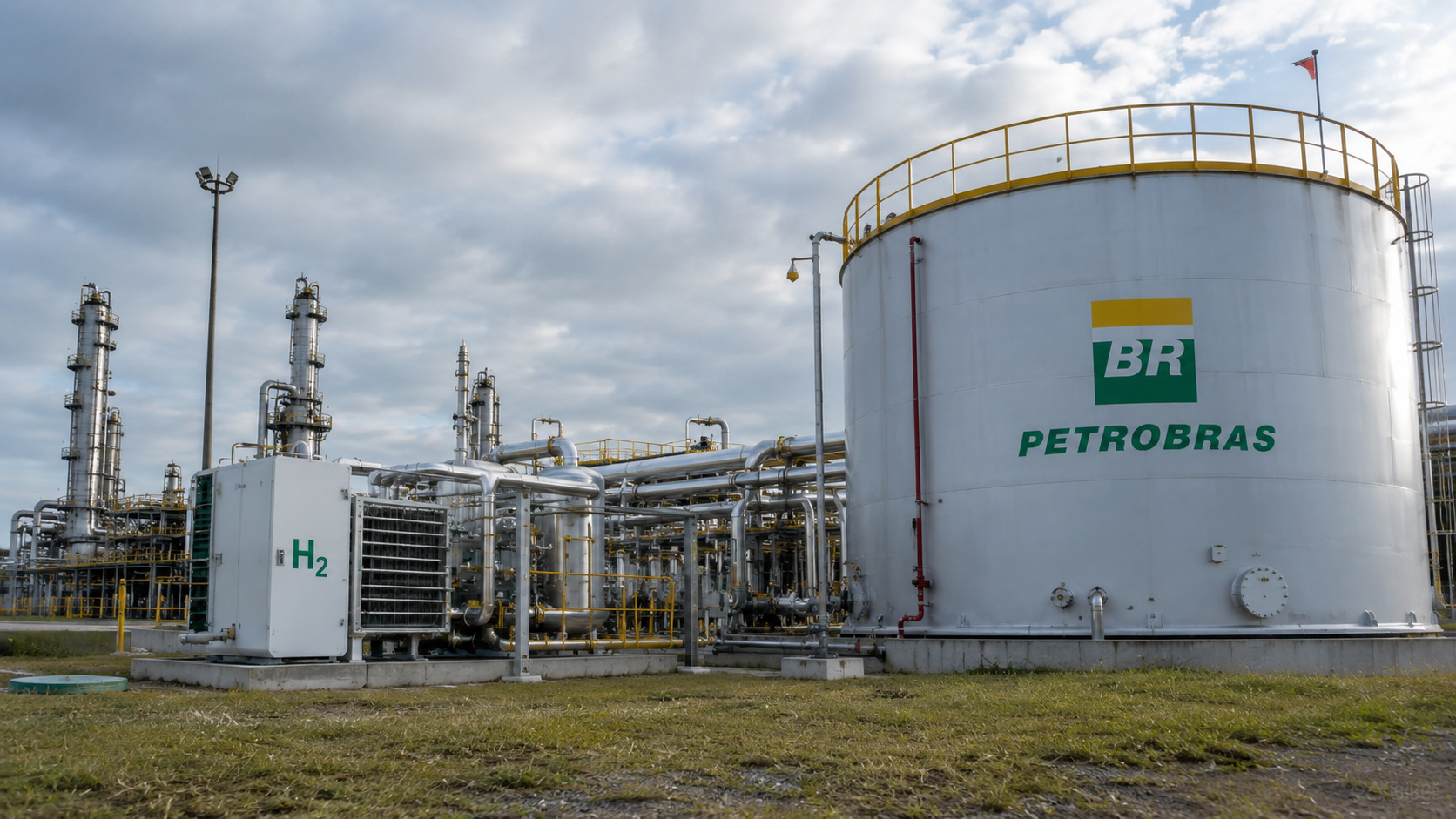
Advancement in renewable energy: A R$ 150 million project launched by Petrobras and Finep aims to create state-of-the-art electrolyzers for green hydrogen, strengthening national research and preparing Brazil to compete in a billion-dollar energy market.
-
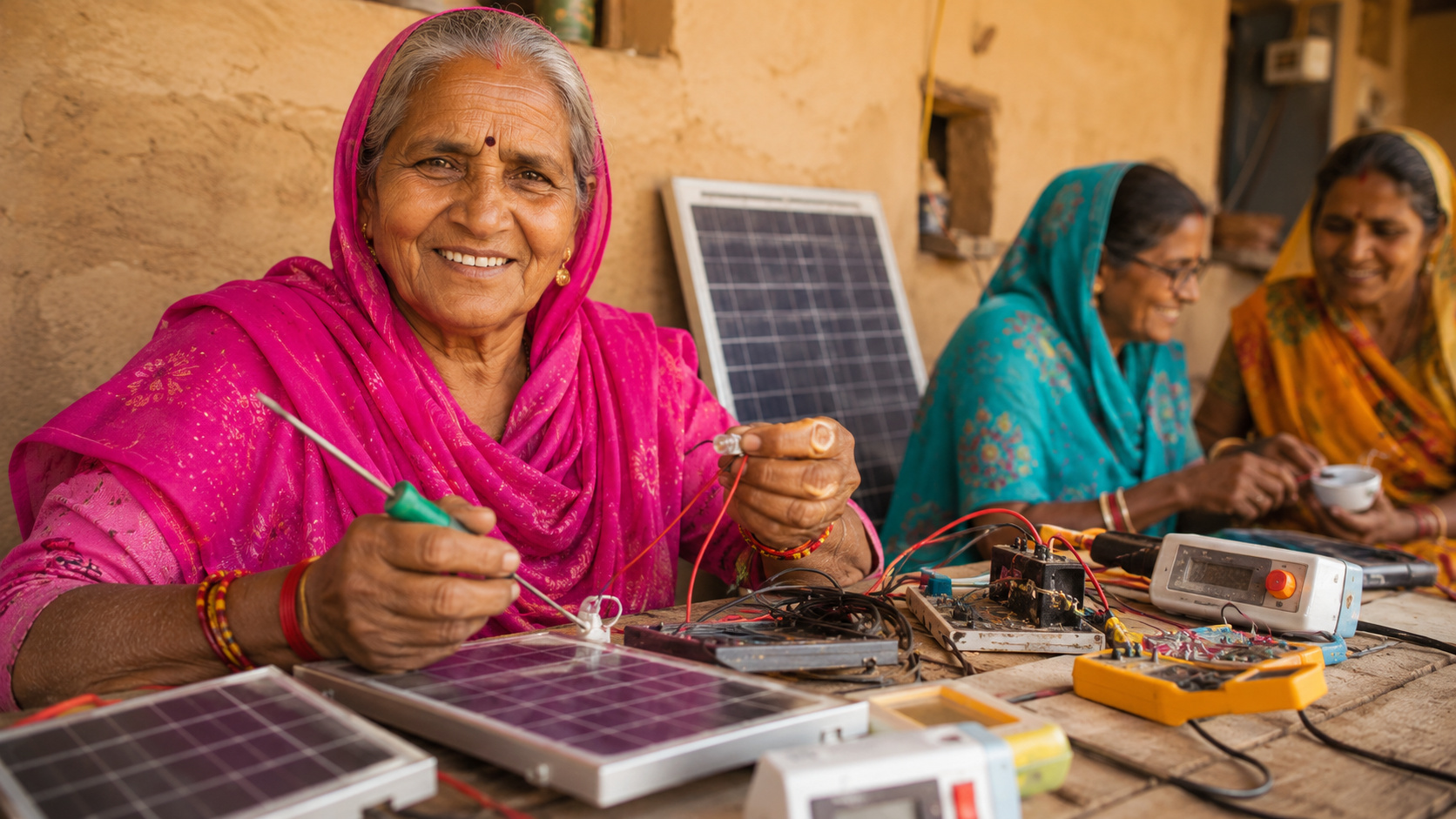
Illiterate or semi-literate grandmothers were trained to repair solar systems, open rural workshops, and light up homes that still depended on kerosene.
-
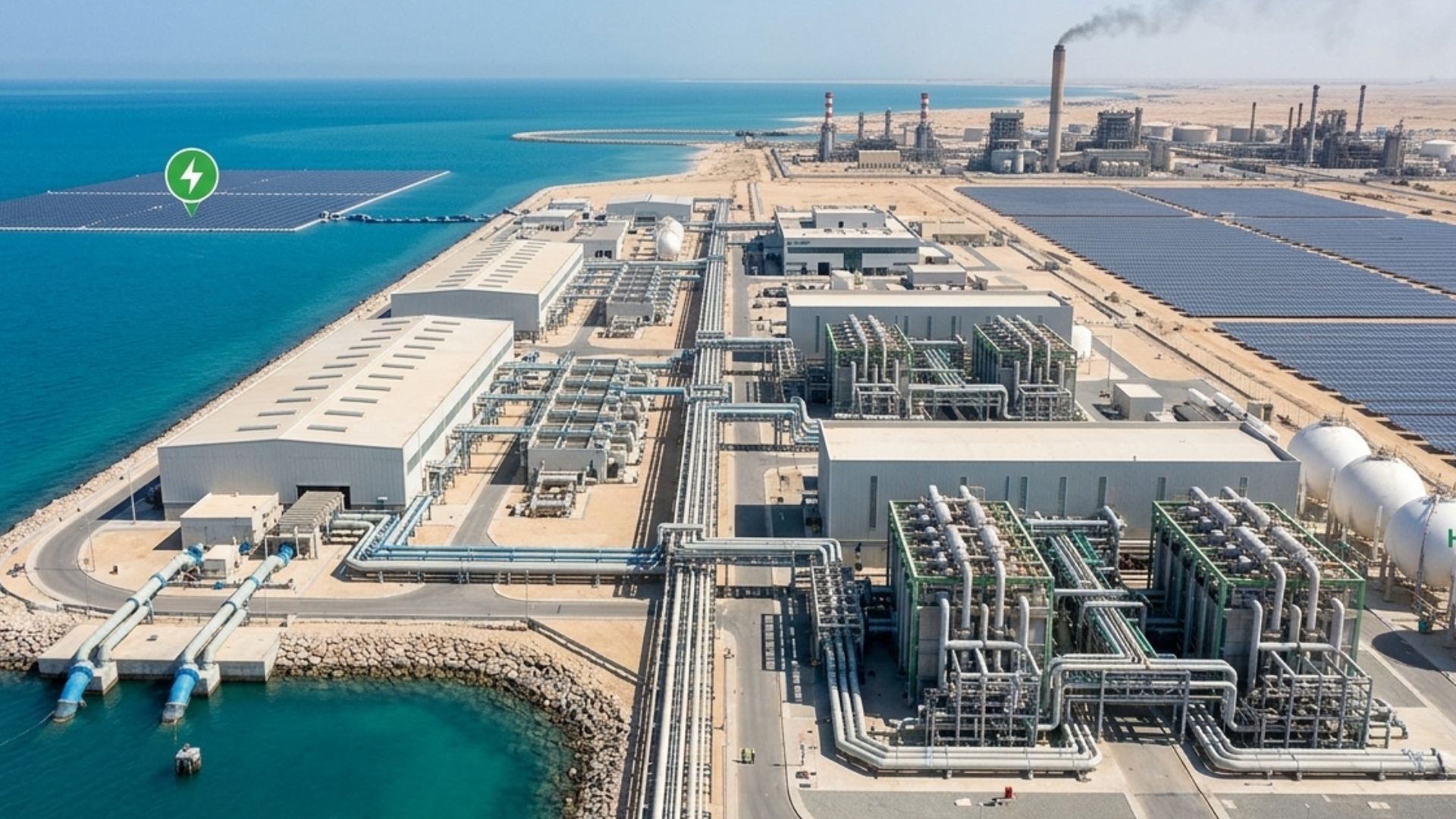
The world has bet on green hydrogen as the fuel of the future, but now faces the side effect: producing 1 kilogram requires about 9 liters of ultrapure water, and the largest projects on the planet are precisely in the driest regions of the Earth, where water is already scarce for people.

This facility is the result of collaboration between companies Hy2Gen and Flexens, and represents a giant step toward a sustainable future, providing a viable solution to the scarcity of renewable energy resources.
Strategically located in the Kokkola Industrial Park, the plant has the impressive capacity to produce 760,000 metric tons of renewable ammonia annually. Utilizing 1 GW of electricity from renewable sources for hydrogen production, Plug Power operates in a nearby location, highlighting the synergy between future fuel technologies.
This innovative project aims not only to reduce carbon emissions but also to implement an efficient andsustainable energy infrastructure.
Is Hydrogen The Future?
The plant is set to produce 85 metric tons of renewable liquid hydrogen daily, using 1 GW PEM electrolyzers supplied by Plug Power.
This hydrogen is a crucial element in the production of 760,000 metric tons of renewable ammonia, standing out as a pillar in the export strategy due to its proximity to the Kokkola port, facilitating international maritime transport.
Planned to commence operations by the end of 2027, the renewable hydrogen and ammonia plant is a promise for Finland’s low-carbon future.
Flexens, one of the main partners, plans to develop an additional green hydrogen and ammonia project in the same area, expanding the influence and reach of this initiative.
The Kokkola project is noteworthy for several features: the capacity for renewable ammonia production is one of the highest globally, with an estimated annual reduction of up to 1,220,000 metric tons of CO2.
The complex will be built on a 55-hectare plot, in collaboration with partners such as Hy2Gen, Plug Power, Flexens, KIP Infra, Kokkolan Energia, Gasgrid Finland, and Nordion Energi, all committed to advancing hydrogen as the fuel of the future.
The use of ammonia as fuel for vehicles opens new perspectives for the fuel of the future, particularly in the transportation sector, where hydrogen already plays a key role.
Ammonia-powered vehicles promise to be a greener alternative compared to conventional fuels, with the potential to significantly reduce greenhouse gas emissions and align with the growing environmental demands of consumers.
While full implementation is still a future vision, optimism permeates the automotive industry, motivated by Finnish innovations in hydrogen and ammonia use.
With the increasing need for sustainable solutions to the energy and environmental crisis, automakers around the world are ramping up their research and development of innovative alternatives.
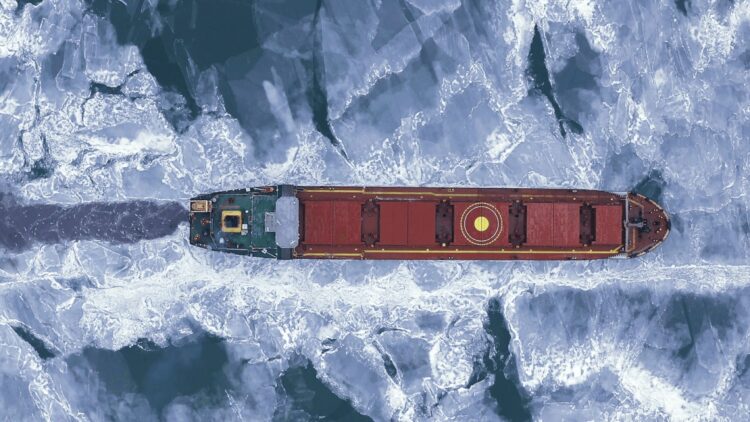
One such alternative is the use of ammonia as fuel. Traditionally associated with the maritime sector, where it has already been tested for powering vessels, ammonia is now gaining attention as a potential fuel for land vehicles.
With its carbon-free profile, ammonia could not only revolutionize maritime transport but also pave the way for the creation of the first car engines specifically designed to run on this new fuel.
If this transition occurs, ammonia could play a crucial role in transforming the global energy landscape, offering a viable and sustainable solution for the decarbonization of the transportation sector.
The implications are vast, potentially reconfiguring fuel supply infrastructure and catalyzing a significant shift toward a cleaner and more efficient future.









Mudanças climáticas hoje é uma realidade, isso é prioridade e mesmo sendo prioritários essa composição é um sucesso, o sistema está muito atrasado e o dinheiro fala mais alto o mundo pedi socorro. Temos pressa de extrema urgência para mudarmos o cenário sustentável da economia mundial.
Fantástica iniciativa da Finlândia!
DEUS proteja a vida na 🌎 Terra 🌍 e ilumine a Humanidade!
Realmente parece ser uma ideia fantástica mesmo assim precisamos continuar as pesquisas para outros combustíveis renováveis pois precisamos sempre de energia não poluentes e renováveisapos gerar a energia o que sobra deste combustível o hidrogênio libera água e este o que libera?
Nitrogenio, que é o componente de maior concentração presente no ar.