Portuguese
  Spanish


The waste that becomes a resource moved from urban parks and green areas to a bioconversion system with black soldier fly larvae, capable of transforming goose droppings into protein-rich biomass and frass, an organic fertilizer that increased duckweed production by 32%.
Canadian researchers have demonstrated that goose droppings can be transformed into protein and fertilizer using black soldier fly larvae, in a process that converts an urban problem into a biological input. The work showed that the byproduct generated by the larvae, known as frass, increased the production of aquatic plants used in treatment systems, nutrient capture, and animal biomass by 32%.
The proposal stems from a common nuisance in parks, lawns, and green areas during spring. The presence of geese leaves a large volume of waste in the environment, causes discomfort for the population, and adds nutrients that can affect nearby soils and waters.
The waste that becomes a resource changes the traditional logic of cleaning and removing waste. Instead of treating the material merely as disposal, the research explores its conversion into protein-rich biomass and natural fertilizer, within a circular economy model applied to urban spaces.
-
Brazilian Startup Converts Tucumã Seeds into Bioplastic for Bicycle Pedals, Cups, and Construction Materials

-
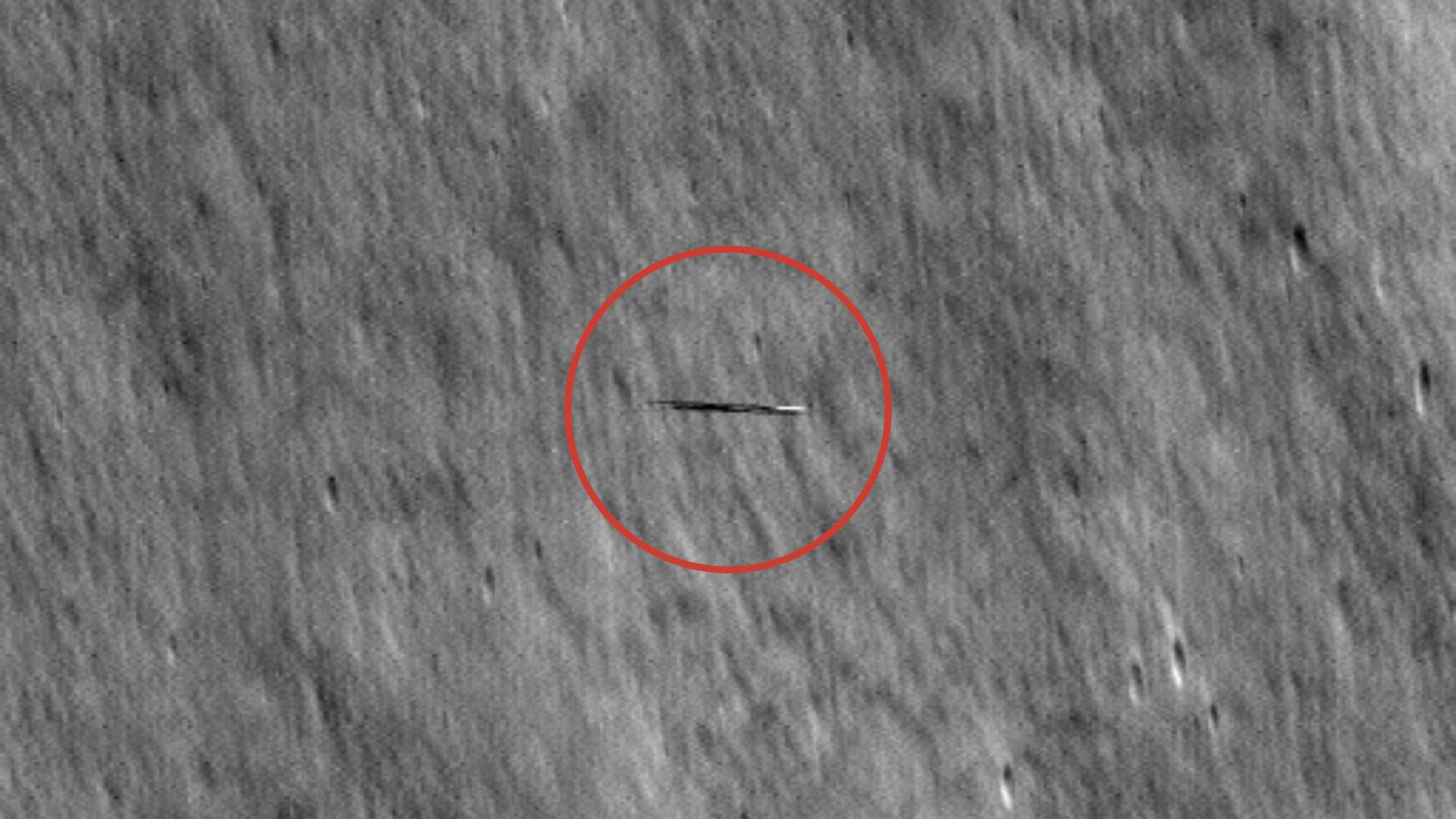
NASA Captures Rare Encounter of South Korean “Surfboard” Spacecraft Crossing Lunar Orbit at Over 11,000 km/h

-
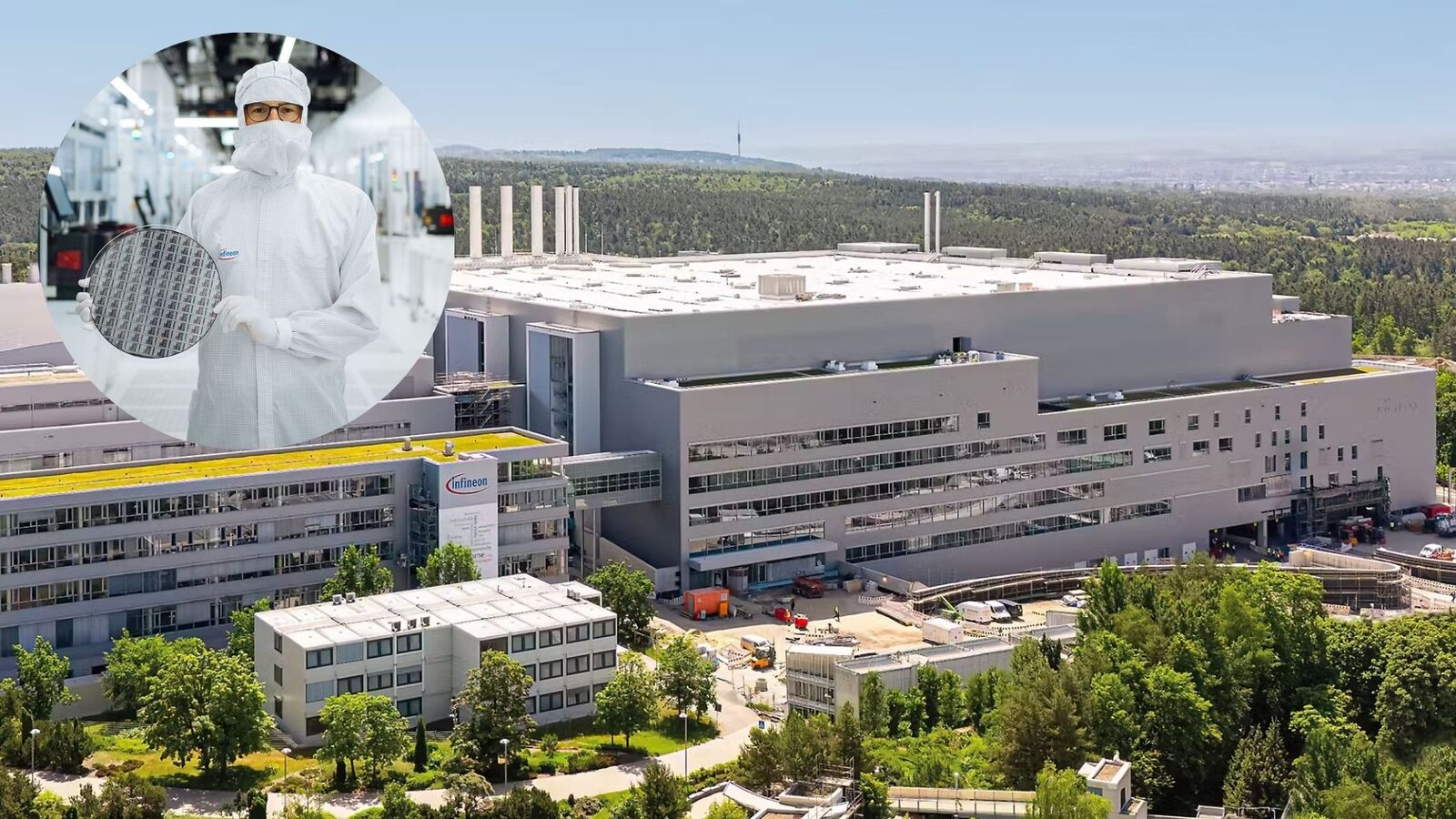
Germany Opens World’s Largest Smart Power Semiconductor Factory with €5 Billion Investment, Creating 1,000 Jobs and Doubling Capacity for AI and Energy Needs

-
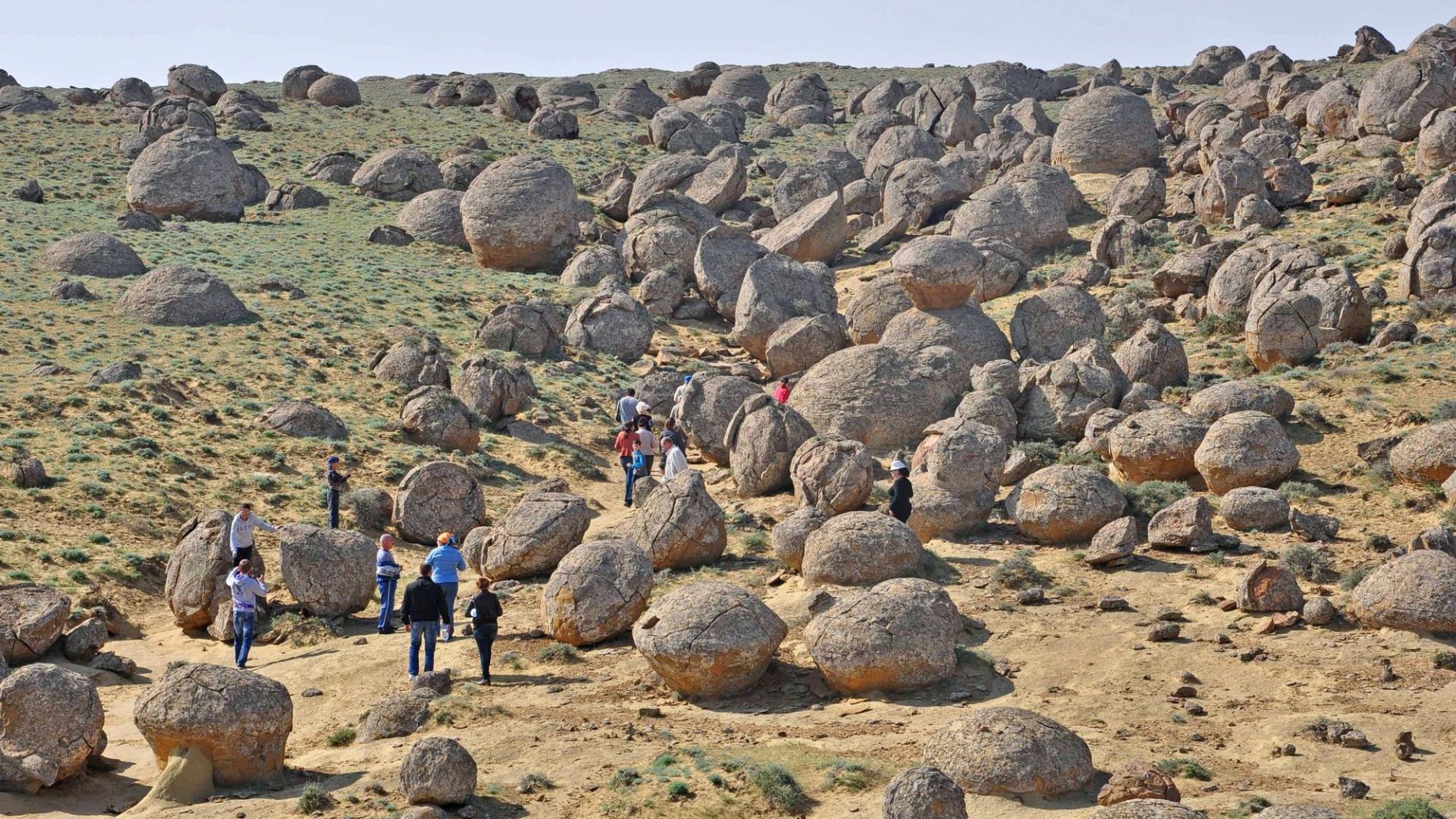
Kazakhstan’s Torysh Valley Holds Thousands of Giant Stone Spheres, Intriguing Scientists with Ancient Oceanic “Cannonballs”
Black soldier fly acts as an ally in bioconversion
The black soldier fly, scientifically named Hermetia illucens, is already known for its larvae’s ability to consume decomposing organic matter. In this process, they transform waste into protein-rich biomass, with potential for use in production chains linked to animal feed.
The study was led by Rassim Khelifa, from Concordia University, and tested the use of an abundant urban waste as food for these larvae. The result pointed to a viable alternative for utilizing bird droppings in biological transformation systems.
The use of the black soldier fly already occurs on an industrial scale in Europe and Asia to treat food waste and produce protein flours for animal feed, especially in aquaculture. Adapting this insect to specific urban waste, such as bird droppings, expands the scope of this type of bioconversion.
Mixing with other waste improves larval development
The larvae can feed exclusively on goose droppings, but development improves when this material is combined with other organic waste. This difference indicates that real systems can function better when integrating bird waste with mixed streams, such as plant scraps and food.
The model approaches advanced composting with insects, where different urban wastes are brought together to increase transformation efficiency. In European cities, pilot projects already combine municipal market waste with insects to produce local fertilizers.
This design reinforces the concept of waste that becomes a resource within the urban environment itself. The technology does not depend on large infrastructures and can be conceived in smaller, decentralized systems installed near the origin of the collected material.
Microorganisms play a decisive role in the process
The microorganisms present in the droppings also contribute to the system’s efficiency. When the material undergoes sterilization, the yield decreases, showing that the microbiota contributes to initial decomposition and makes the waste more accessible to the larvae.
This interaction between microorganisms and larvae creates a symbiotic relationship within the process. The decomposition of the material depends not only on the insect but also on the biological balance already present in the waste.
The research indicates that attempting to completely eliminate these organisms can impair conversion performance. In this case, the natural presence of the microbiota helps the system function better and strengthens the use of biological processes in urban waste management.
Frass increases aquatic plant production by 32%
The frass generated by the larvae acts as an organic fertilizer and showed significant results in tests with **duckweed**. The production of the aquatic plant grew **32%**, a fact that places the byproduct among the main practical results of the experiment.
Duckweed is used in wastewater treatment, nutrient capture, and biomass production for animal feed. Increasing its productivity can improve different systems simultaneously, especially those that rely on aquatic plants to remove nutrients and generate biomass.
Frass also offers a more gradual release of nutrients compared to chemical fertilizers. This characteristic reduces the risks of leaching and aquifer contamination, making the fertilizer more stable within the proposal presented by the research.
Urban application can reduce cleaning and disposal
For urban managers, transforming **goose droppings** into useful products can mean lower cleaning costs, less pressure on landfills, and the generation of local resources. The same process delivers two results simultaneously: protein obtained from larvae and organic fertilizer generated by frass.
The application can occur in urban parks with a large presence of birds, municipal waste management facilities, or educational projects. The format also allows for a practical demonstration of how a visible problem can be incorporated into local productive cycles.
In the medium term, the technology can be combined with other solutions, such as anaerobic digestion and advanced composting, to optimize organic matter flows. The **waste that becomes a resource** gains strength in this scenario by transforming urban dirt into protein, fertilizer, and a concrete example of a circular economy.
With information from **EcoInventos**