





Understand how intense winds, whirlwinds, and storms can remove small fish from the water and deposit them on streets and inhabited areas.
A rare phenomenon has caught attention in different Brazilian regions over the past decades. Since the 1990s, residents of cities near rivers, ponds, and lagoons have reported the appearance of small fish scattered on the ground right after intense storms.
Popularly known as fish rain, the episode usually provokes surprise and fuels mystical explanations. However, meteorology experts relate the occurrence to the formation of waterspouts and whirlwinds capable of transporting water, sediments, and small aquatic animals.
Without any relation to supernatural events, the phenomenon results from the force of the winds and atmospheric dynamics during severe storms. When the system loses intensity, the animals are released and return to the ground, creating the impression that they fell directly from the clouds.
-
U.S. City Spent Millions Building Subway Tunnels and Stations, But No Trains Have Run There

-
Sweden Introduces New Rules Requiring Frequent Supervision and Daily Interaction for Cat Owners

-
Coastal City in Rio de Janeiro Faces Slow Destruction as Sea Claims 500 Homes and Businesses

-
48-Year-Old Woman Wins Million-Dollar Prize, Gifts Neighbor First International Trip as Thanks for Years of Support


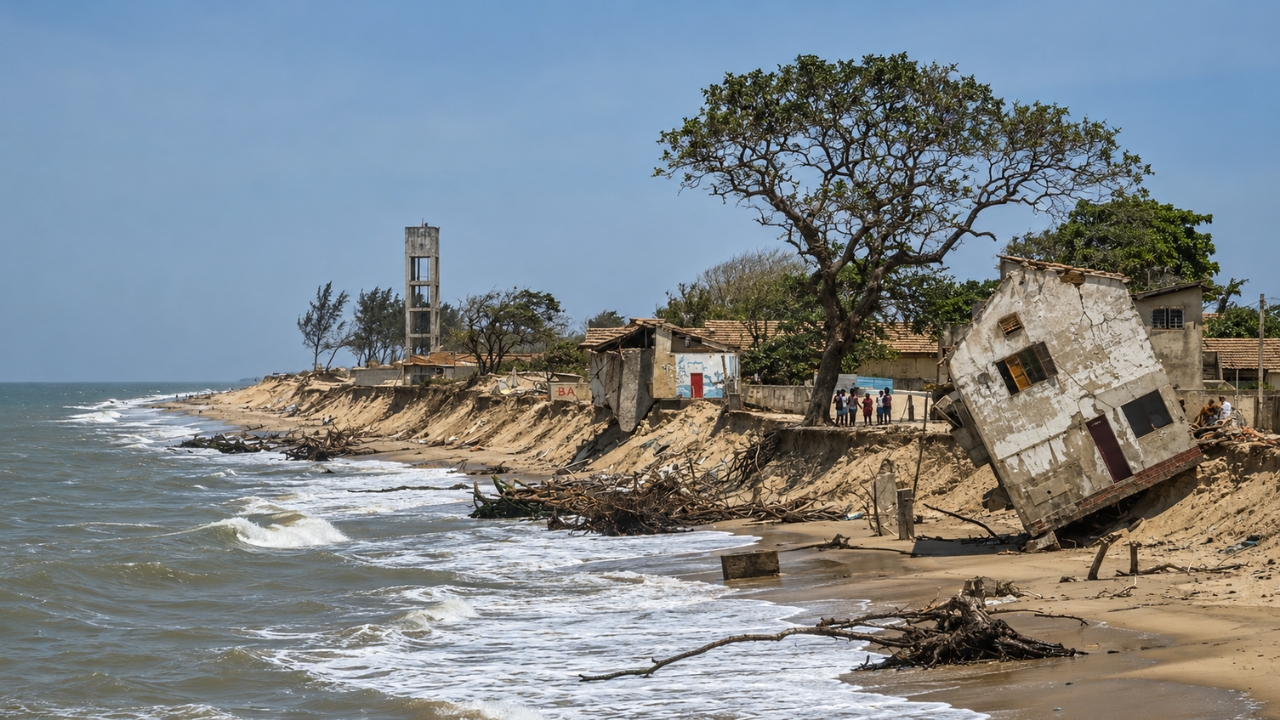

Understand how fish rain occurs
During intense storms, rotating columns of air can form over rivers, ponds, lagoons, and other bodies of water. These vortices are called waterspouts when they maintain contact with the water surface.
According to the United States National Weather Service, linked to the National Oceanic and Atmospheric Administration, these systems can lift water and light objects during their movement.
Upon reaching the surface, the whirlwind can remove small fish, tadpoles, sediments, and other materials present in the shallower areas. Subsequently, air currents transport this content for meters or even kilometers.
The intensity of the winds represents an essential stage of the process. While the circulation remains strong, the animals continue suspended and are carried along with water droplets and particles removed from the aquatic environment.
When the force of the vortex decreases, all the transported material begins to fall. Fish can be deposited on streets, grounds, roofs, and other areas, creating the impression of a rain formed by animals.
The origin of the fish, therefore, is usually in some body of water located nearby. The species found also tend to coincide with those living in the rivers, ponds, and lagoons of the region.
Similar reports were analyzed throughout the 20th century. In 1961, a publication by the United States Fish and Wildlife Service already related fish rains to violent storms and strong air currents.
Years later, in 1997, meteorological explanations gathered by the Library of Congress of the United States reinforced the possibility of waterspouts removing small animals from the water and transporting them through the air.
Why Some Regions Register More Cases
In Brazil, reports are mainly concentrated in areas marked by high temperatures, high humidity, and the presence of rivers or reservoirs near inhabited zones.
States in the North and Northeast regions frequently appear in historical records. These areas tend to have favorable conditions for the formation of severe storms, especially during the warmer periods of the year.
The proximity between reservoirs, rivers, and communities also facilitates the observation of the event. Thus, fish removed from the water can be quickly deposited on streets and properties located nearby.
For a long time, the fish rain was associated with religious beliefs, legends, and popular interpretations. The analysis of the events, however, showed that the animals had been recently captured by strong wind systems.

How to Act During a Fish Rain
The population should exercise caution when the phenomenon occurs, mainly because the storm responsible for transporting the animals may involve strong winds and other risks.
Direct contact with the fish should also be avoided without protection. The water lifted by the whirlwind may carry sediments, debris, and possible contaminants present in the water body.
Recording the event can help meteorologists and responsible agencies better understand the atmospheric conditions involved. Photographs, videos, and information about the time and location contribute to the analysis of the phenomenon.
Thus, the combination of intense storms, waterspouts, and nearby water bodies explains how small fish can appear on streets after a storm, turning an apparently mysterious event into yet another demonstration of the power of nature.


