






 Portuguese
  Spanish


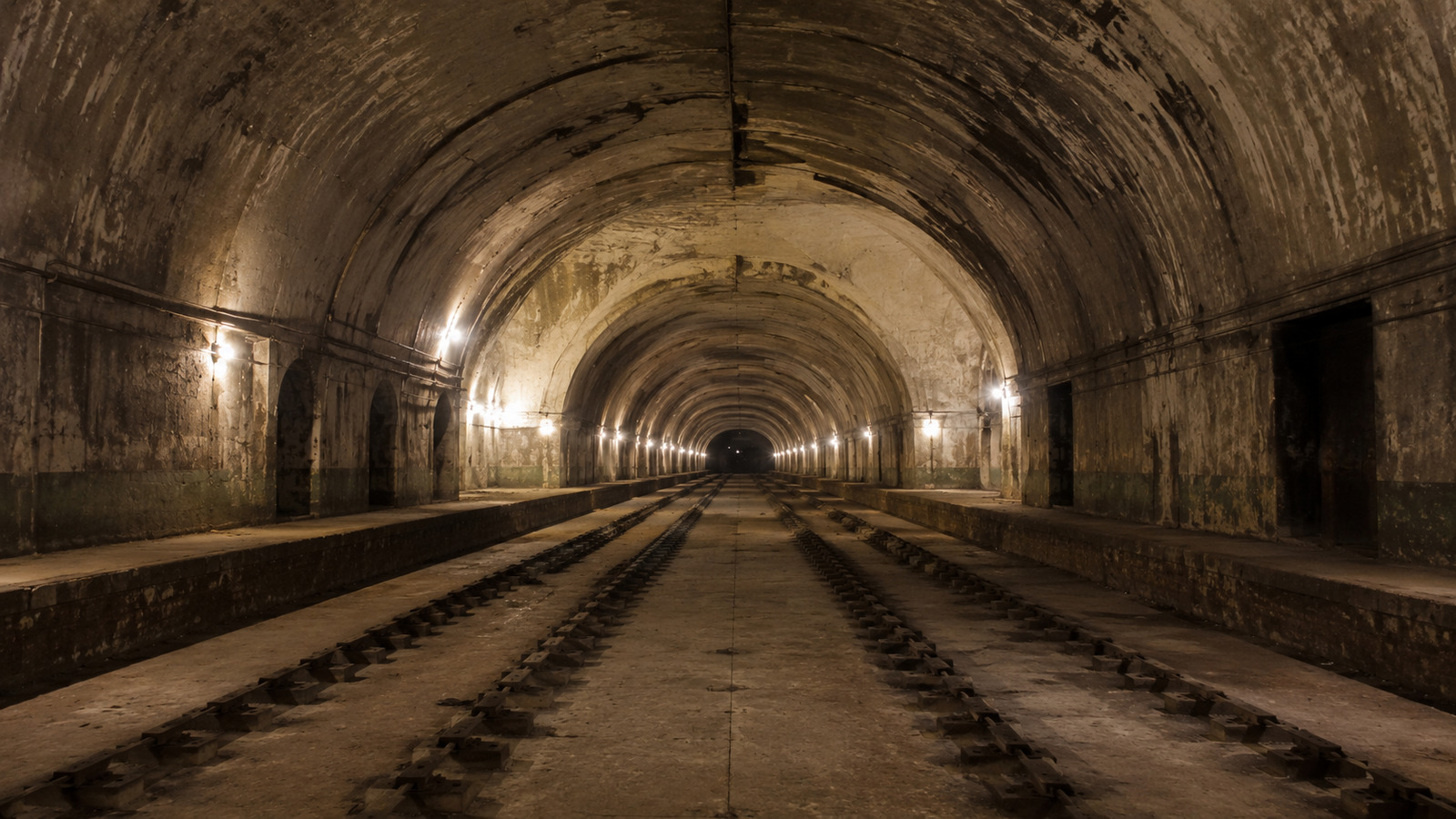

Built under the Central Parkway, the Cincinnati subway had tunnels, stations, and platforms completed, but lacked tracks, money, and political support to turn the project into real public transportation
More than three kilometers of tunnels of the Cincinnati subway remain preserved under the Central Parkway, in Ohio, United States, even without ever having received passengers. Started in 1920, the project had stations, platforms, and part of the infrastructure completed but was abandoned before the installation of the tracks.


Project originated from the transformation of an old canal
The origin of the Cincinnati subway is linked to the Miami and Erie Canal, an old waterway used for freight and passenger transport in Ohio.
With the advancement of trains, the canal lost importance and, by 1880, was already seen as an abandoned and foul-smelling area.
-
Sweden Introduces New Rules Requiring Frequent Supervision and Daily Interaction for Cat Owners

-
Coastal City in Rio de Janeiro Faces Slow Destruction as Sea Claims 500 Homes and Businesses

-
48-Year-Old Woman Wins Million-Dollar Prize, Gifts Neighbor First International Trip as Thanks for Years of Support
-
Women Once Mocked for Collecting Trash Form Group to Turn Organic Waste into Compost, Generate Daily Income, and Improve Market Cleanliness in One of the World’s Lowest GDP per Capita Countries




The idea of urban planners was to take advantage of the canal bed, drain it, and build an underground transportation system under the street that would occupy the space.
In March 1912, authorities hired a transportation planner from Chicago to design the project.
The initial proposal envisioned an urban circuit of 25.7 kilometers, with an estimated cost of $12 million. Later, the amount was revised to $6 million. In 1916, more than 80% of voters approved the issuance of bonds to finance the work.
Construction started late and the budget shrank
Construction only began in January 1920, after World War I. In the meantime, inflation reduced the power of the approved budget and forced the city to cut the planned route from 25.7 kilometers to 17.7 kilometers.
In 1923, the two-kilometer underground section was completed. In 1927, much of the above-ground infrastructure was also almost ready. Even so, the system could not operate.
Tracks, important network links, and resources to equip the structure were missing. The subway physically existed, with tunnels and stations, but it was not able to transport a single passenger.
Inflation, political dispute, and cars halted the subway
The Transportation Commission estimated that an additional $9 million to $10 million would be needed to complete the network. The amount was almost double the revised initial estimate.
In 1926, a new mayor refused to issue new bonds. He saw the subway as a project linked to previous administrations.
The Rapid Transit Commission also failed to attract a private partner to fund essential parts.
At the same time, public opinion changed. The strong support from 1916 lost momentum, and the growth of the automobile helped weaken the argument in favor of underground transportation.
The project came to be called the “White Elephant of Cincinnati.” The stock market crash of 1929 ended the remaining chances of fundraising. The Rapid Transit Commission was dissolved.
What still exists under the Central Parkway
The Central Parkway was opened to traffic in October 1928, built directly over the tunnels. Beneath it, structures of the Cincinnati subway remain preserved.
The tunnels are at least 4 meters wide and 4.7 meters high. Wooden sleepers remain bolted to the ground, ready for tracks that were never installed.
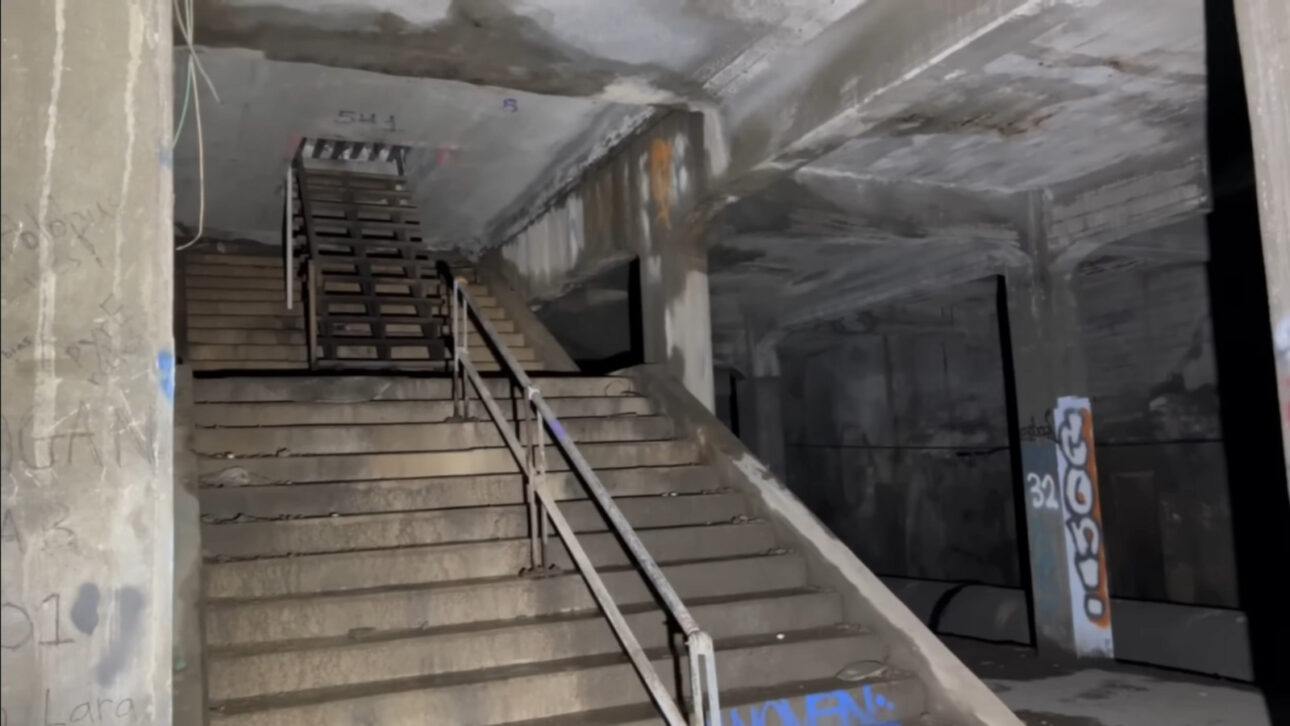
Three underground stations still exist: Race Street, Liberty Street, and Brighton’s Corner. In total, six stations were built in the system, but no passenger traveled between them.
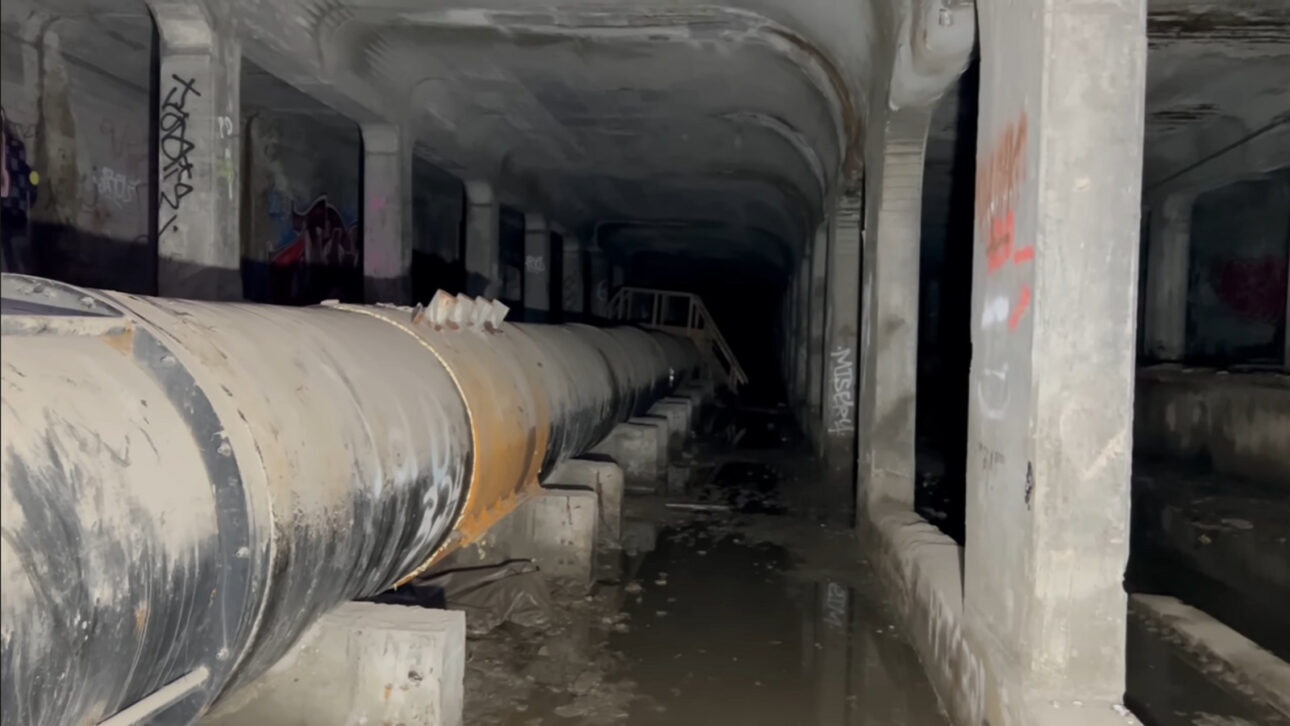
The above-ground parts were demolished in the following decades to make way for Interstate 75. Today, the tunnel houses a water pipeline and fiber optic cables.

Reuse has had several proposals, but none advanced
Over the decades, ideas have emerged to repurpose the tunnels. In 1936, the city suggested running streetcars through the space, but the vehicles were too long for the curves.
In the 1960s, there was a proposal for a nuclear shelter. In 1969, a diocese requested permission for an underground candlelit ceremony for 500 people but couldn’t get insurance.
Other ideas included a grain malthouse, nightclubs, a wine cellar, and even a location for filming Batman Forever. None went forward.
In 2002, MetroMoves proposed using the tunnels in a regional light rail network. The plan required a half-cent increase in the sales tax and was rejected by 68% of voters.
Completely filling the tunnel would cost about $19 million. Revitalizing it as public transport would require tens or hundreds of millions more.
Guided tours were suspended after a risk assessment in 2015, and access today is restricted to utility workers.
This article was prepared based on the information provided in the source material, with data, numbers, and statements preserved as per the consulted material.


