





 English
  2 min of reading
  0 comments


Cuban President Miguel Díaz-Canel Bermúdez issued a sharp warning to the United States on Monday, saying that any military action against Cuba would lead to a “bloodbath” and could have serious consequences for regional peace and stability.
In a post on social media, Díaz-Canel said threats of military aggression from the United States were already familiar to Cuba. He argued that the threat itself amounted to an international crime and warned that carrying it out would bring destruction, instability and unpredictable consequences.
Tensions between Washington and Havana have intensified amid a renewed U.S. pressure campaign against the island. Under President Donald Trump, the administration has pursued a harder line toward Cuba, aiming to weaken the government and push for political change.
The dispute has grown more severe after U.S. actions in Venezuela, a key source of oil for Cuba. Following the reported U.S. capture of Venezuelan President Nicolás Maduro, Washington took control of Venezuela’s oil production, cutting off a supply route that Cuba had long relied on. The United States also moved to block oil shipments from other countries to the island.
-
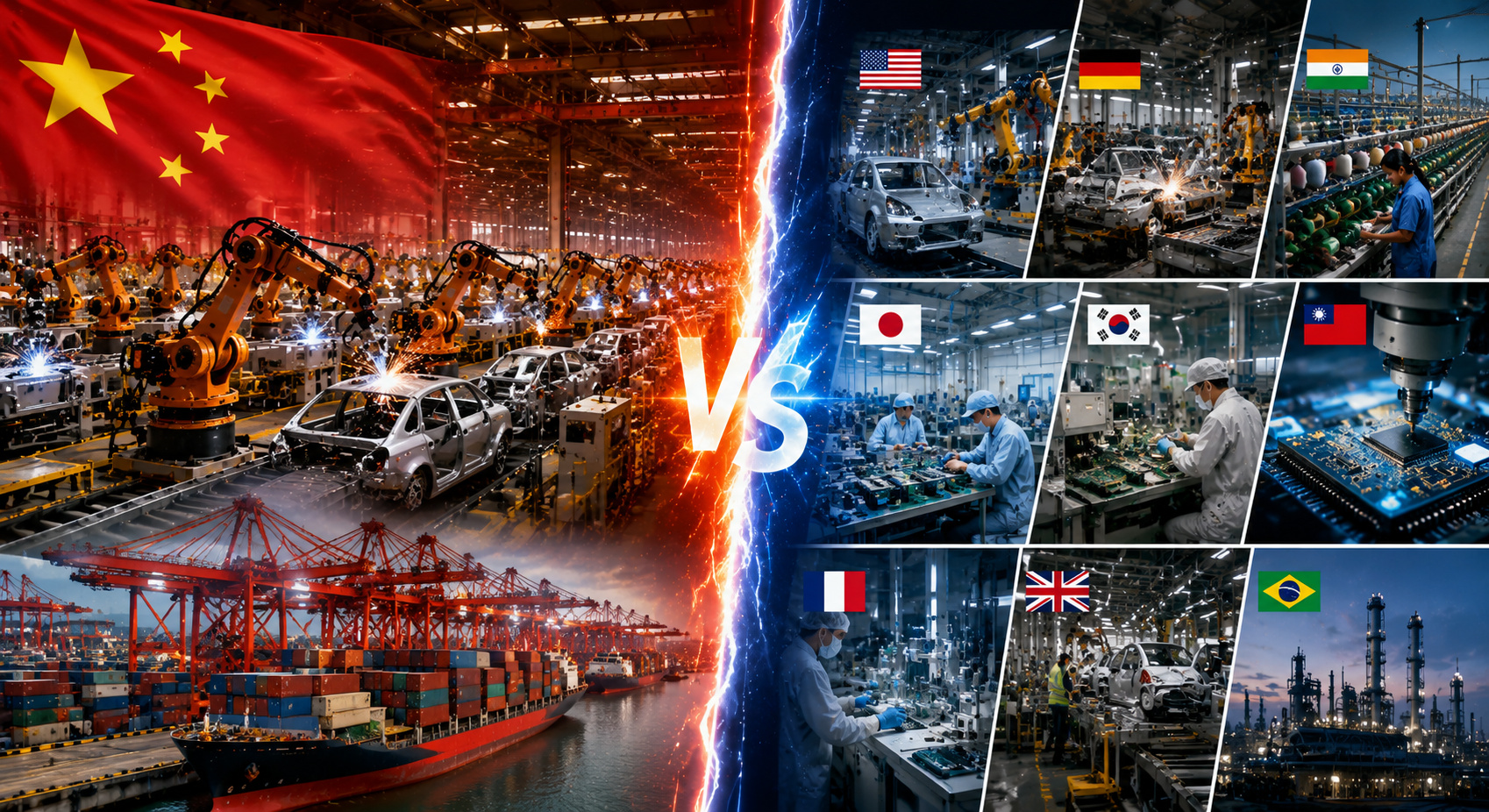
The United States would need to invest $1.5 trillion in industrial production all at once just to reach China’s level by 2026, a country that already dominates 7 of the 10 most strategic industries on the planet and produces more than the 9 largest global manufacturers combined, according to an ITIF report.

-
While nuclear explosions go unnoticed at 1,000 km, the loudest sound in history was heard at 4,800 km and circled the planet four times.

-
Iran targets submarine cables in the Strait of Hormuz and threatens to create a “digital toll” that could affect Google, Meta, Microsoft, and Amazon on the main route of the global internet.

-
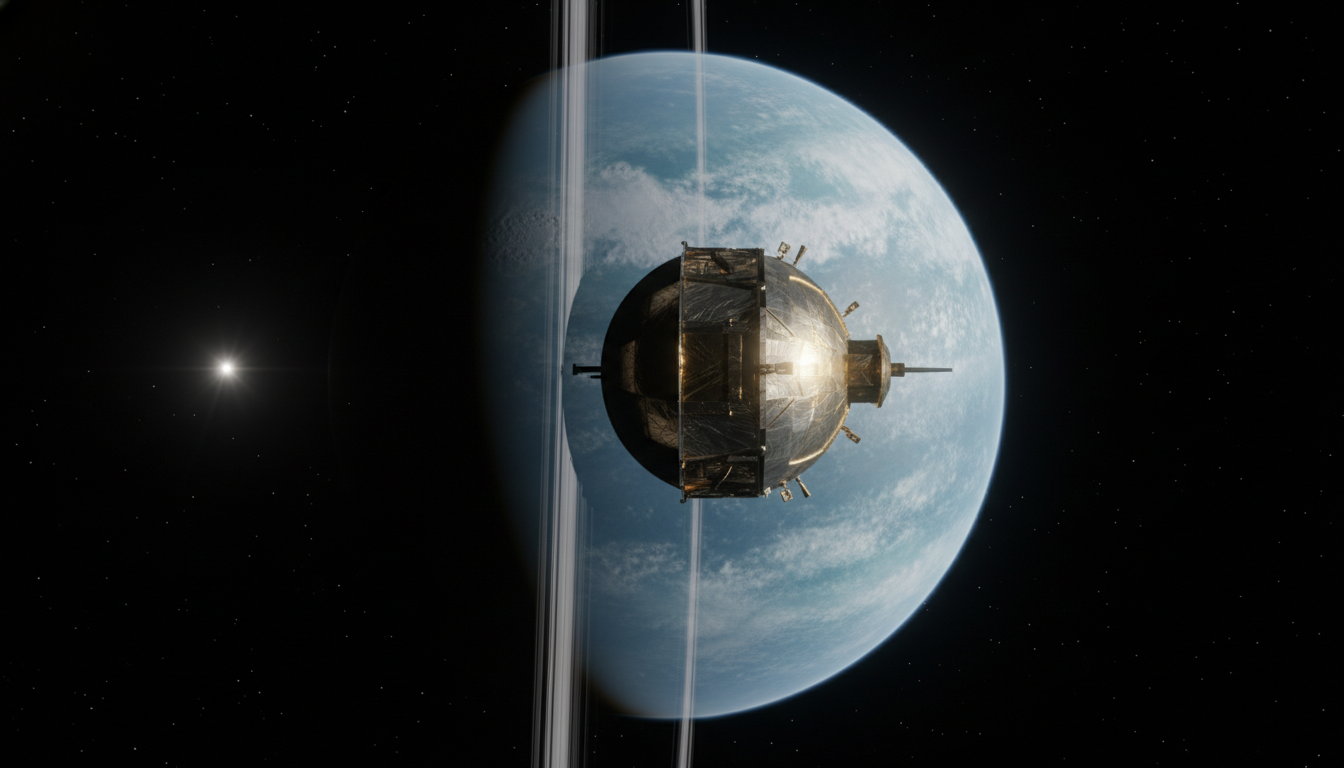
As solar panel probes die near Jupiter, NASA’s new nuclear generator promises 250 watts and 20 years of life on the first mission to Uranus.


Those measures have deepened Cuba’s energy crisis, putting additional strain on an already fragile power grid. As fuel supplies declined, the country’s electrical system began to fail more frequently, worsening conditions for the Cuban population.
Trump has also repeatedly suggested that Cuba could be the next target of U.S. action. Speaking to reporters in March, he described Venezuela as a first step and said taking Cuba would be an “honor.” A White House official later reinforced that position, saying the Cuban government would fail and that the United States would be ready to step in.
The latest escalation followed a report by Axios claiming that some U.S. intelligence officials believe Cuba has acquired more than 300 military drones. According to the report, officials are examining whether Havana discussed possible attacks on the U.S. naval base at Guantánamo Bay, American military vessels and even targets in Key West, Florida.
Cuban officials have rejected the allegations and framed them as part of a broader effort to justify military intervention. Díaz-Canel’s warning signals that Havana views the current U.S. posture as a direct threat and is preparing to respond politically and militarily if Washington moves forward.
The exchange marks another sharp deterioration in relations between the two countries, raising fears that a long-running confrontation could enter a more dangerous phase.






Be the first to react!